Also known as Rat Fish, Ratfish, Atlantic Chimaera, King of the Herrings
Gliding above murky continental slopes with expansive, wing-like pectoral fins, rabbit fish use sensory pores on their snout to detect electrical signals from buried prey. Their fused tooth plates easily crush thick-shelled mollusks and crustaceans on the seabed. Females lay large, leathery egg cases in deep coastal fjords and offshore trenches, where embryos take nearly a year to develop.
ThreatsDeep-water commercial bottom trawling and incidental longline bycatch
HabitatsContinental slope and shelf waters at depths of 50 to 1,000 meters
Life spanUp to 30 years
Classification
FamilyChimaeridae
SpeciesChimaera monstrosa
Range & activity
Range data is not available yet.
Safe observation
Interaction riskVery high
Low
Moderate
High
Very high
Why interaction risk is very high
A sharp, venomous spine precedes the first dorsal fin; avoid touching if encountered in nets.
Why it is dangerous
The serrated leading spine of the dorsal fin contains a venom gland that injects toxins causing intense throbbing pain, localized swelling, and risk of secondary infection.
How to recognize a risky encounter
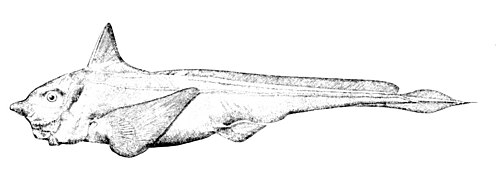
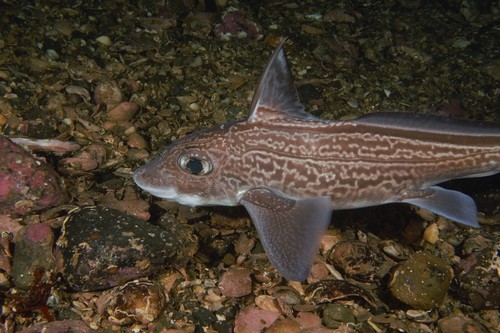
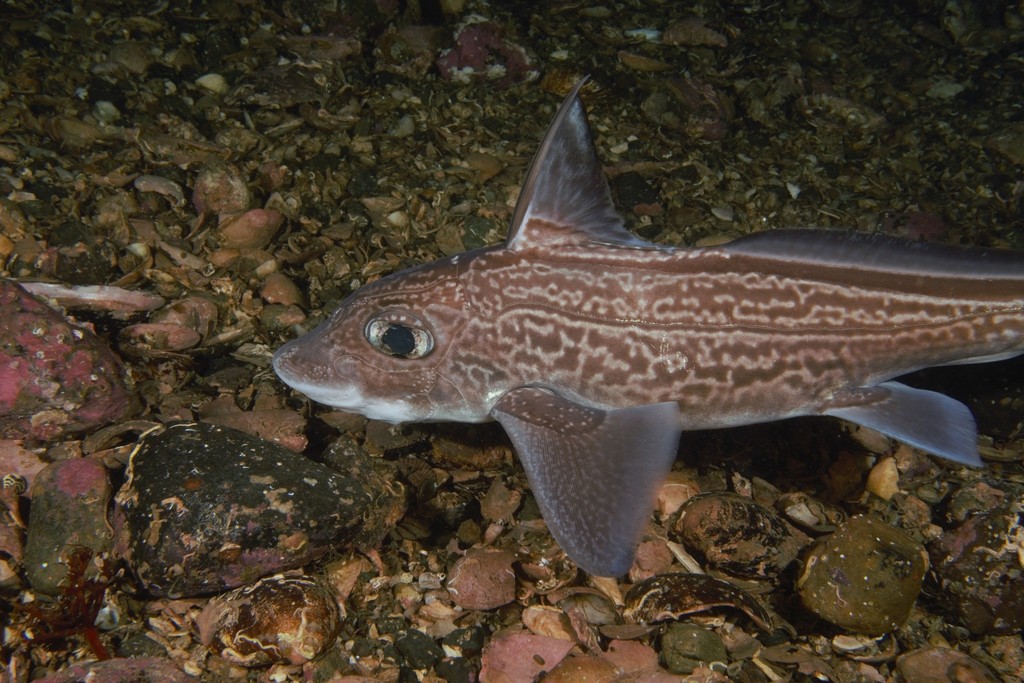
Look for a prominent, stiff vertical spine positioned directly ahead of the tall first dorsal fin on an oversized, rabbit-like head.
What to do
Do not attempt to hold or unhook by hand if landed, and maintain clear distance during deep dives.
What to notice
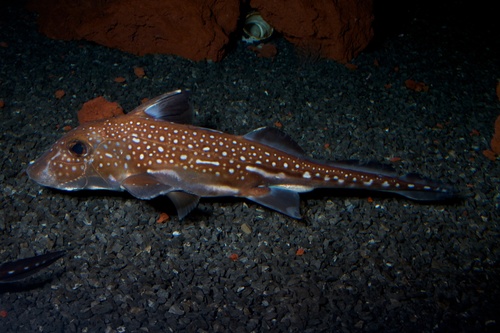
Recognizable by huge iridescent green eyes, a tapering whip-like tail, and silver-brown mottled skin without scales.
Support conservation
If captured as bycatch, carefully disentangle and return immediately to cold water to maximize survival.
Responsible observation
Fjord Dives: Cold Norwegian fjords offer rare shallow opportunities for technical divers to spot them.
Spine Safety: Never handle live or dead specimens without puncture-resistant gloves.
Trawl Monitoring: Report deep-sea captures to marine researchers studying population declines.

 1 / 2
1 / 2