
Species
Blue Whiting
Micromesistius poutassouAlso known as Poutassou, Couch's Whiting
Blue whiting gather in immense, dense schools along continental slopes and deep shelf breaks, undertaking dramatic vertical migrations from daytime depths of up to a kilometer into upper water layers at night to feed. In late winter, adults congregate west of Ireland and the British Isles for massive spawning events that disperse trillions of buoyant eggs into Atlantic currents. Serving as a foundational mid-trophic link in north Atlantic food webs, they convert planktonic crustaceans into abundant prey for marine mammals, larger predatory fish, and industrial pelagic fisheries.
MarinePelagicSchooling
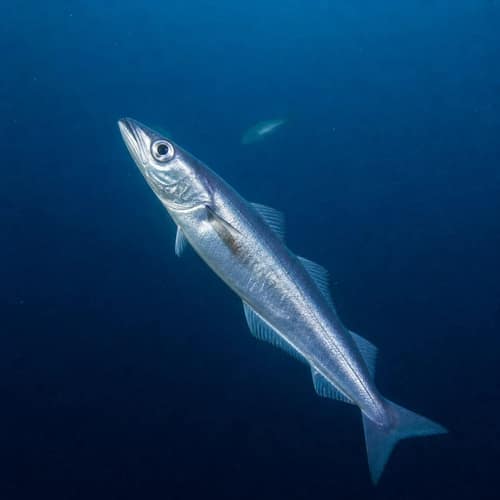
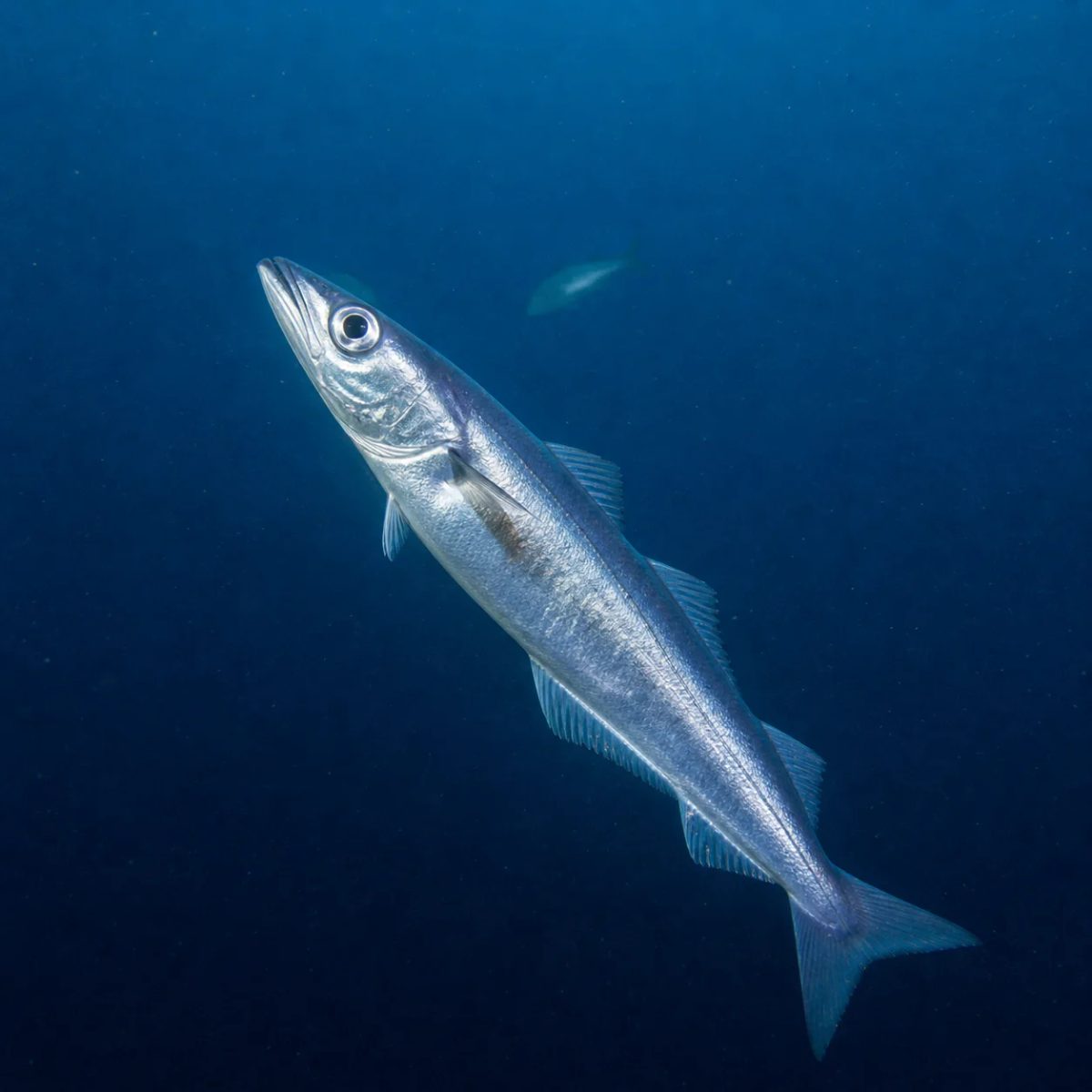
—observations
—countries
—peak records
Least ConcernConservation statusIUCN Red List categoriesLCNTVUENCREWEXLeast ConcernRed List categories, explained →
Diet & preyNorthern Krill, Pelagic Amphipods, Lanternfish
Predators
- Atlantic Cod
- European Hake
- Long-finned Pilot Whale
ThreatsCommercial overfishing via midwater trawling, shifts in ocean temperature, and changing zooplankton blooms.
HabitatsBathypelagic and mesopelagic continental slopes, deep oceanic shelves, and open sea basins.
Life span15–20 years
Classification
- FamilyGadidae
- SpeciesMicromesistius poutassou
Range data is not available yet.
Interaction riskLow
- Low
- Moderate
- High
- Very high
- Why interaction risk is low
- Safe to observe at a normal distance.
Responsible observation
- Field Sightings: Encountered in the wild almost exclusively by offshore sea-anglers, pelagic researchers, or deep-sea divers on open-ocean drop-offs.
- Handling Catches: Grip firmly behind the gill plates, as their thin scales and slender bodies are delicate and easily damaged.
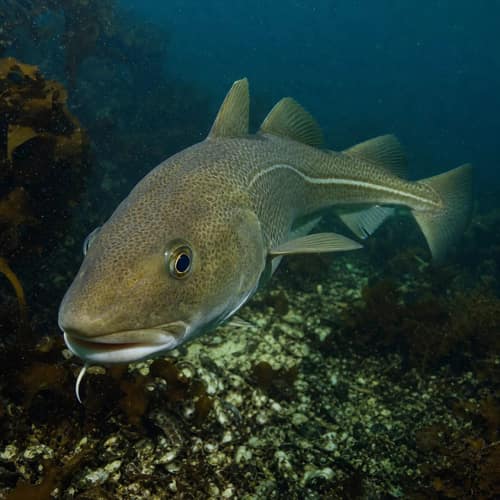
Predator NOAA / Public Domain (NOAA) · Public Domain (NOAA)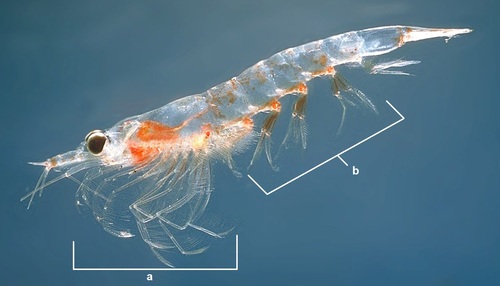
Prey (c) Øystein Paulsen, some rights reserved (CC BY-SA) · cc-by-sa Image unavailable
Close Relative 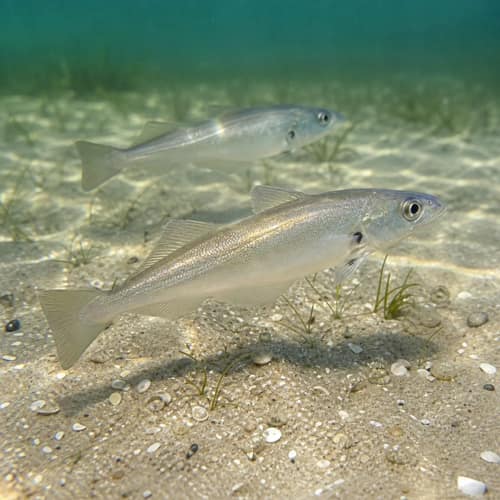
Same Family Georges Jansoone / CC BY 3.0 · CC BY 3.0
Help improve the field guideSomething wrong?
Checking your Fauna account…Report a name, category, or profile issue for review.