
Species
Fanfin
Caulophryne pelagicaAlso known as Pelagic Fanfin Angler, Fanfin Anglerfish
Fanfins drift through the pitch-black bathypelagic zone, draped in extraordinarily elongated dorsal and anal fin rays that act as delicate antennae to detect shifts in water displacement. Unlike most deep-sea anglerfish, females lack a glowing bacterial light organ on their illicium, relying instead on mechanical sensory filaments to ambush passing prey. Males are dwarfed by females, using well-developed olfactory organs to locate a mate in the deep ocean before biting into her flesh and fusing permanently into a parasitic sperm-producing partner.
Deep SeaBizarreCarnivorous
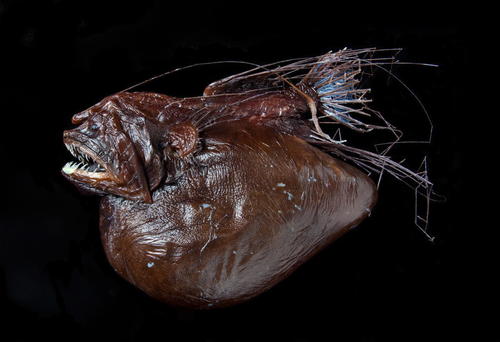
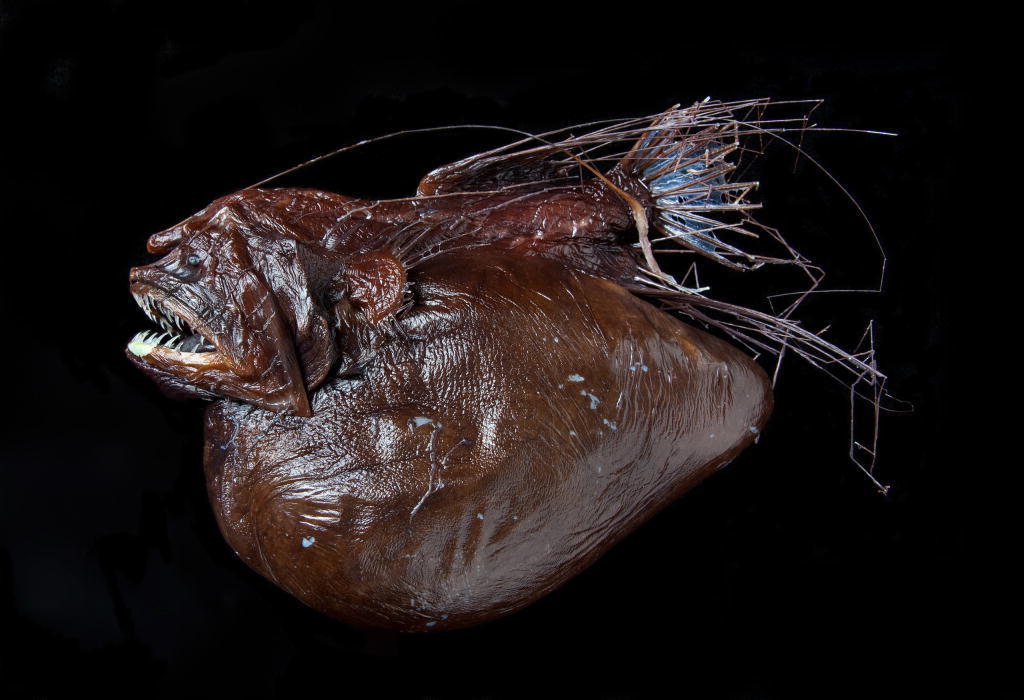
—observations
—countries
—peak records
Least ConcernConservation statusIUCN Red List categoriesLCNTVUENCREWEXLeast ConcernRed List categories, explained →
Diet & preyLanternfishes, Deep-sea squids, Pelagic crustaceans
Predators
- Sperm Whale
- Larger bathypelagic predatory fishes
ThreatsDeep-sea trawling, oceanic pollution, and climate-driven changes in deep currents
HabitatsBathypelagic open ocean waters typically below 900 meters
Life span10–25 years
Classification
- FamilyCaulophrynidae
- SpeciesCaulophryne pelagica
Range data is not available yet.
Interaction riskLow
- Low
- Moderate
- High
- Very high
- Why interaction risk is low
- Safe to observe at a normal distance.
Responsible observation
- Submersible Viewing: Encounters are limited to deep-sea remotely operated vehicles or trawling surveys.
- Preserve Specimens: Treat dredged museum specimens delicately, as the elongated fin rays detach easily.
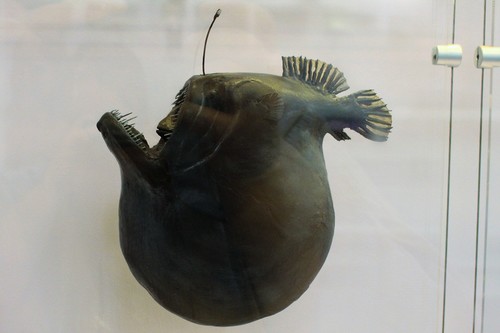
Related Order (c) Emőke Dénes, some rights reserved (CC BY-SA) · cc-by-sa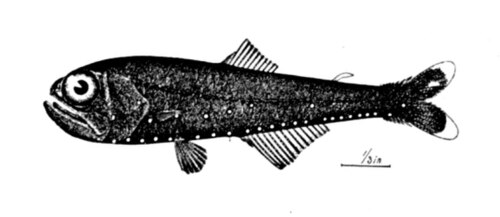
Prey Wikimedia Commons / Public domain · cc0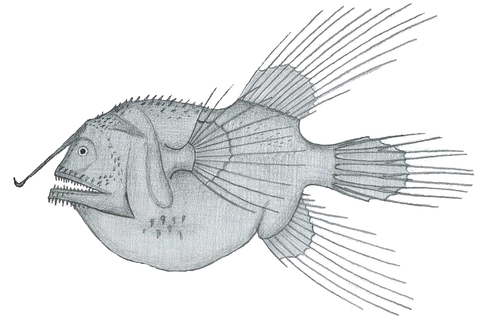
Close Relative (c) Tambja, some rights reserved (CC BY-SA) · cc-by-sa
Help improve the field guideSomething wrong?
Checking your Fauna account…Report a name, category, or profile issue for review.