
Fish · GBIF taxon 2404329
Mediterranean Moray
Muraena helenaAlso known as Roman Moray, Moray Eel, Mediterranean Moray Eel
Mediterranean morays weave through rocky reefs and underwater caverns along warm European and African coastlines. Relying on an extraordinary sense of smell rather than vision, these solitary hunters launch ambush strikes from dark crevices to capture octopus and fish. Their muscular, scaleless bodies are patterned with striking yellow and white flecks, concealing a second set of pharyngeal jaws that drag prey deep into the throat.
MarineCarnivorousNocturnal
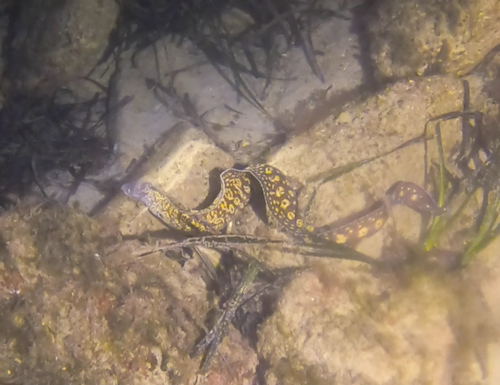
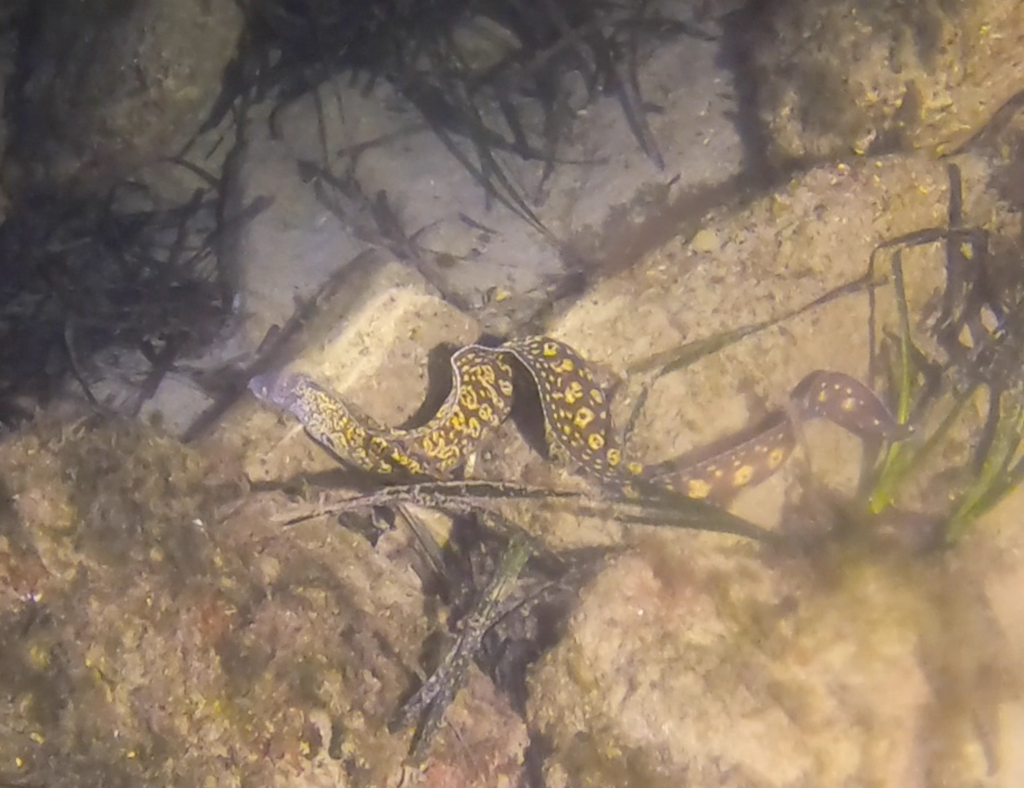
—observations
—countries
—peak records
Least ConcernConservation statusIUCN Red List categoriesLCNTVUENCREWEXLeast ConcernRed List categories, explained →
Diet & prey
- Common Octopus
- Reef Fish
- Crabs
Predators
- Large Groupers
- Sharks
ThreatsOverfishing, habitat degradation, accidental catch
HabitatsRocky reefs, underwater caves, coastal crags
Life span15–30 years
Size / weightNot available
Classification
- FamilyMuraenidae
- SpeciesMuraena helena
Range data is not available yet.
Interaction riskLow
- Low
- Moderate
- High
- Very high
- Why interaction risk is low
- Delivers a powerful, painful bite if threatened; keep hands away from rocky crevices.
- Why it is dangerous
- Sharp backward-curved teeth and powerful jaws deliver deep wounds vulnerable to severe secondary infections.
- How to recognize a risky encounter
- Dark brown body speckled with white and yellow spots, lacking pectoral fins and visible gill covers.
- What to do
- Maintain distance while diving and never insert hands or equipment into dark rock crevices.
Responsible observation
- Crevice Inspection: Peer quietly into rock cracks using dive lights without placing hands or gear inside.
- Diving Etiquette: Maintain neutral buoyancy and refrain from feeding or touching individuals in their burrows.
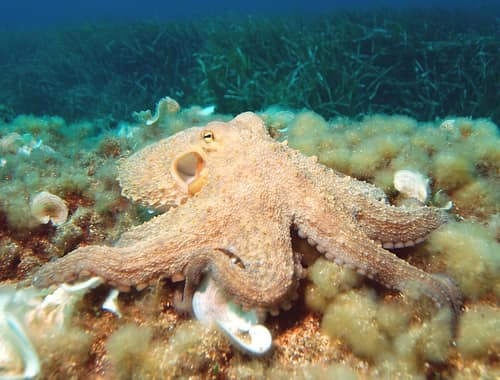
Prey albert kok / CC BY-SA 3.0 · cc-by-sa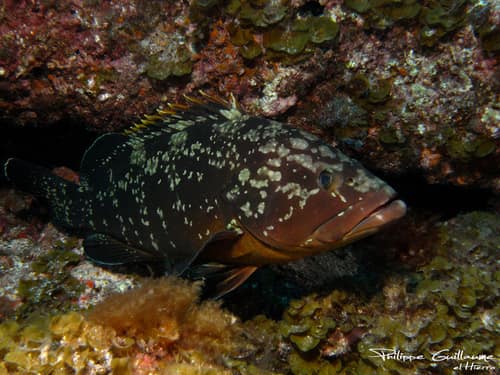
Competitor (c) Philippe Guillaume, some rights reserved (CC BY) · cc-by Image unavailable
Close Relative
Help improve the field guideSomething wrong?
Checking your Fauna account…Report a name, category, or profile issue for review.