
Species · GBIF taxon 2404017
California Moray
Gymnothorax mordaxAlso known as Pacific Moray Eel
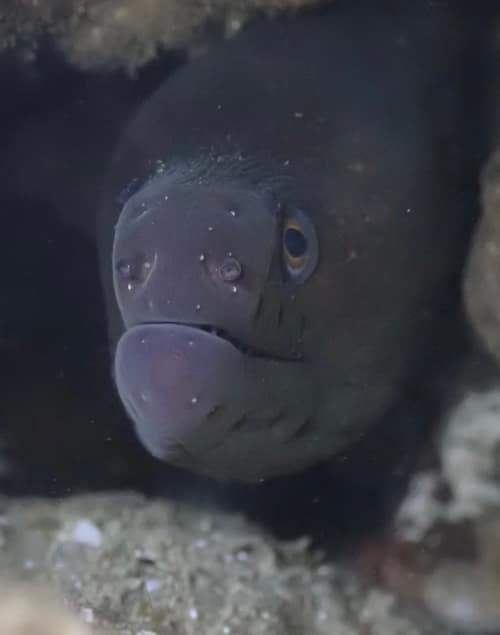
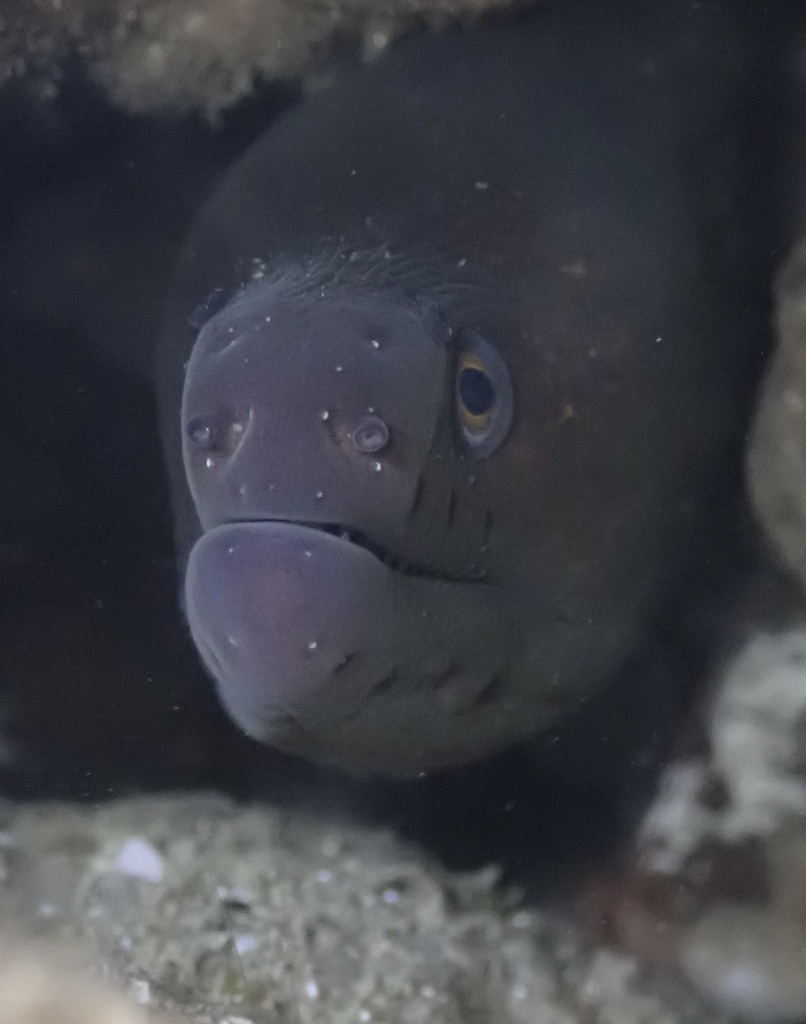
California morays spend their days tucked into rocky crevices along coastal kelp forests, rhythmically opening and closing their mouths to pump water over their gills. Lacking pectoral and pelvic fins, they weave through narrow boulder gaps with a fluid, snake-like swimming motion. Because ocean temperatures off Southern California are usually too cold for larval development, local populations are thought to be replenished by larvae drifting northward from breeding grounds off Baja California.
MarinePredatorNocturnal
—observations
—countries
—peak records
Least ConcernConservation statusIUCN Red List categoriesLCNTVUENCREWEXLeast ConcernRed List categories, explained →
Diet & prey
- California spiny lobster
- Two-spot octopus
- Red rock crab
Predators
- Harbor seal
- Giant sea bass
- Large sharks
ThreatsHabitat degradation, climate-driven temperature shifts, incidental fishing catch
HabitatsRocky reefs, boulder fields, kelp forests
Life span22–26 years
Classification
- FamilyMuraenidae
- SpeciesGymnothorax mordax
Range data is not available yet.
Interaction riskLow
- Low
- Moderate
- High
- Very high
- Why interaction risk is low
- Has sharp teeth and a powerful bite; avoid reaching into rocky reef crevices.
- Why it is dangerous
- Possesses powerful jaws lined with sharp, backward-pointing teeth that can inflict deep puncture wounds and severe bacterial infections.
- How to recognize a risky encounter
- Look for a thick, dark brown to greenish-yellow eel tucked inside a crevice with its mouth repeatedly opening and closing.
- What to do
- Maintain a respectful distance while diving or tidepooling, and never insert hands or equipment into occupied reef cracks.
Responsible observation
- Look in Crevices: Scan narrow rocky gaps in southern California kelp forests during daytime dives.
- Keep Hands Clear: Never reach blindly into cracks or crevices where hidden eels might defend their lair.
- Watch Mouth Movements: Observe their rhythmic mouth opening, which pumps water to breathe rather than signaling aggression.
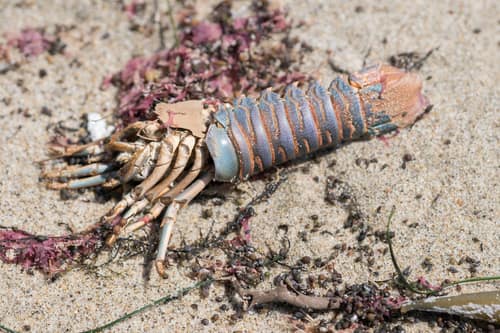
Symbiont no rights reserved, uploaded by Jesse Rorabaugh · cc0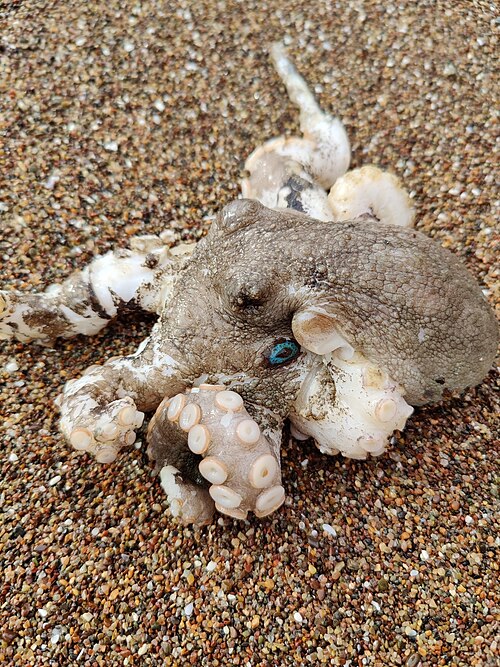
Prey no rights reserved / CC0 · cc0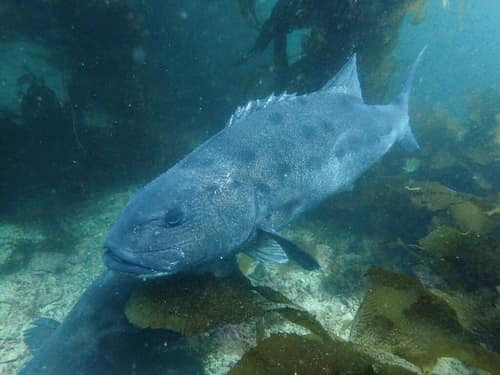
Predator (c) Donald Davesne, some rights reserved (CC BY), uploaded by Donald Davesne · cc-by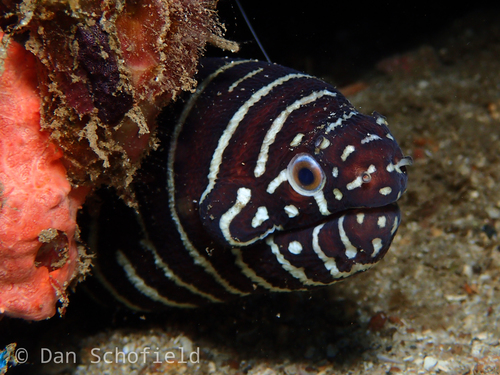
Close Relative (c) Dan Schofield, some rights reserved (CC BY), uploaded by Dan Schofield · cc-by
Help improve the field guideSomething wrong?
Checking your Fauna account…Report a name, category, or profile issue for review.