
Species · GBIF taxon 2403964
Green Moray
Gymnothorax funebrisAlso known as Green Moray Eel, Green Conger
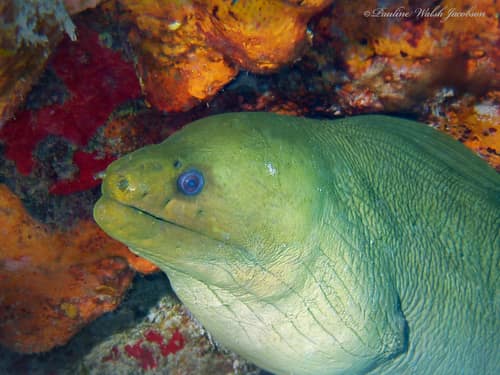
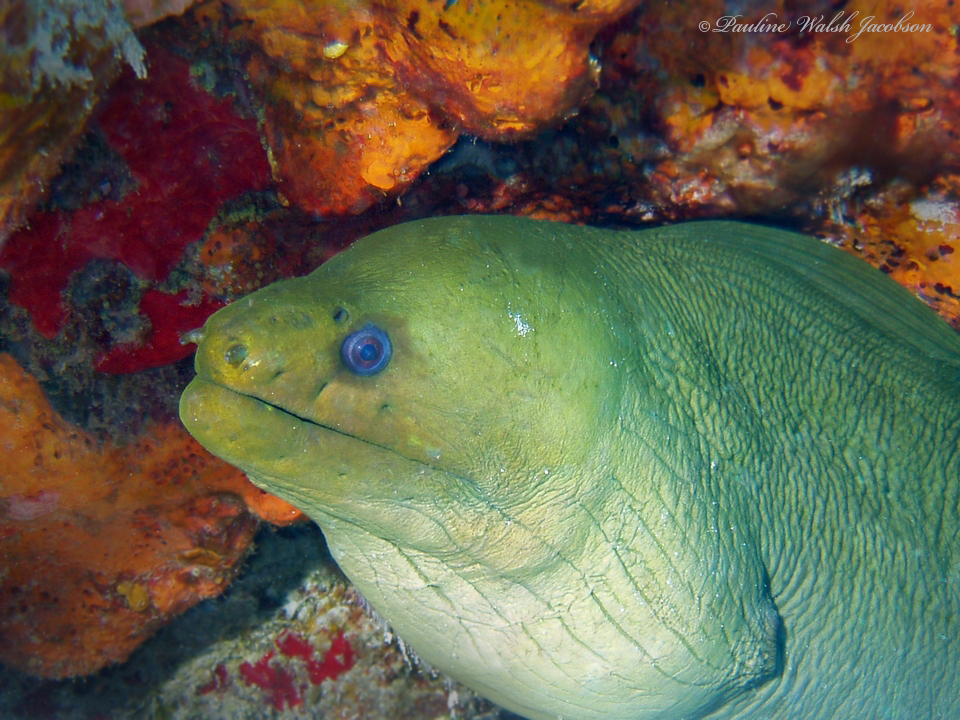
Green morays are solitary apex reef predators known for their rhythmic mouth-gaping behavior, a harmless action required to pump water across their gills rather than an aggressive threat. Beneath the vivid coloration lies slate-brown skin coated in thick, yellowish-tinted mucus that defends against skin parasites while providing camouflage along algae-covered structure. They rely primarily on an acute sense of smell to track down prey at night, navigating narrow reef labyrinths with serpentine agility.
MarineCarnivoreNocturnal
—observations
—countries
—peak records
Least ConcernConservation statusIUCN Red List categoriesLCNTVUENCREWEXLeast ConcernRed List categories, explained →
Diet & prey
- Damselfish
- Blue Crab
- Common Octopus
Predators
- Tiger Shark
- Nurse Shark
- Goliath Grouper
ThreatsReef degradation, spearfishing, and accidental fishing bycatch
HabitatsCoral reefs, rocky shores, mangroves, and seagrass beds
Life span10–30 years
Classification
- FamilyMuraenidae
- SpeciesGymnothorax funebris
Range data is not available yet.
Interaction riskLow
- Low
- Moderate
- High
- Very high
- Why interaction risk is low
- Powerful jaws deliver deep lacerations if harassed; maintain distance and never probe reef crevices.
- Why it is dangerous
- Backward-curved teeth deliver severe lacerations and secondary bacterial infections through powerful crushing jaws.
- How to recognize a risky encounter
- Recognize by the large, uniform olive-green muscular body, lack of pelvic fins, and continuously opening mouth.
- What to do
- Give resting eels space while diving and never reach into unlit reef crevices without looking.
Responsible observation
- Safe Distance: Maintain at least two meters between yourself and any eel resting in a reef crevice.
- Do Not Hand-Feed: Avoid offering food, which causes eels to associate divers with prey and encourages biting.
- Look First: Never insert hands or camera equipment into uninspected rock crevices or ship hulls.
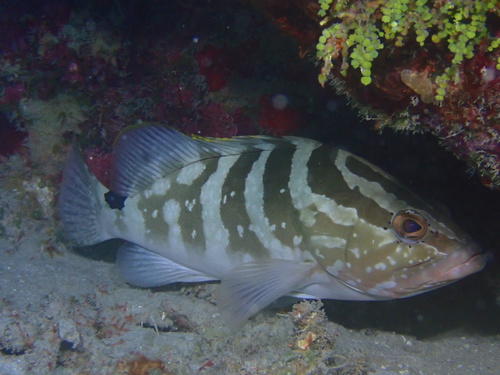
Hunting Partner (c) Robin White, some rights reserved (CC BY), uploaded by Robin White · cc-by Image unavailable
Symbiont 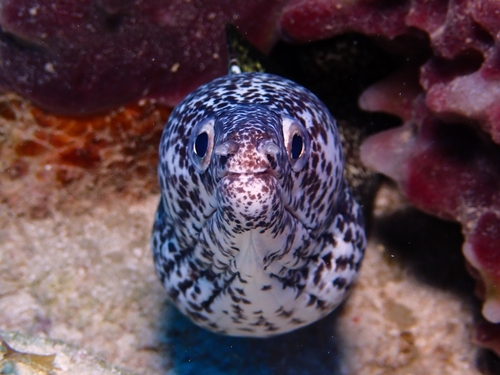
Close Relative (c) Dan Schofield, some rights reserved (CC BY), uploaded by Dan Schofield · cc-byClose Relative
Help improve the field guideSomething wrong?
Checking your Fauna account…Report a name, category, or profile issue for review.