
Species
Chitala chitala
Chitala chitalaAlso known as Indian Featherback, Indian Knifefish, Chital
Indian featherbacks navigate murky river channels with extraordinary agility, rippling an elongated anal fin that allows them to swim forward or backward with equal ease. During the monsoon breeding season, attentive males guard clutches of eggs laid on submerged wood or masonry, aggressively defending and aerating them until hatching. Primarily nocturnal, they rely on tapetum-enhanced vision and keen vibration detection to ambush prey along deep river bottoms.
FreshwaterNocturnalPredatory
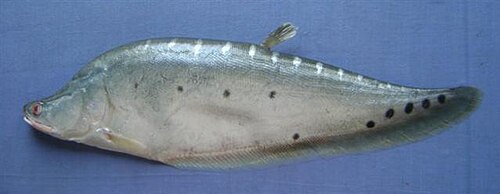
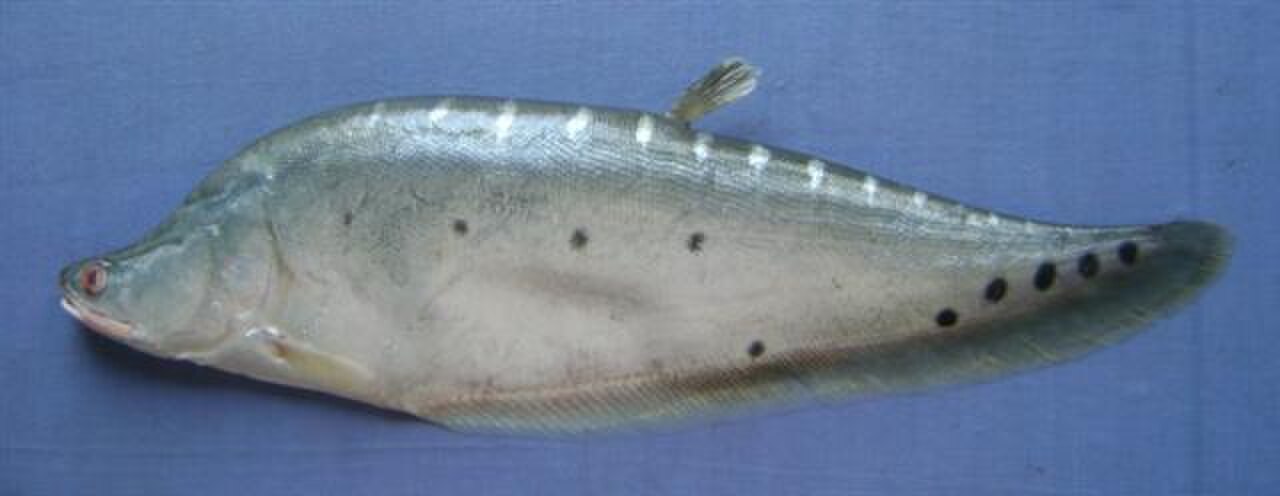
—observations
—countries
—peak records
Near ThreatenedConservation statusIUCN Red List categoriesLCNTVUENCREWEXNear ThreatenedRed List categories, explained →
Diet & preyFreshwater prawns, Barbs, Aquatic insect larvae
Predators
- Gharial
- Smooth-coated otter
- Ganges river dolphin
ThreatsOverfishing, dam construction, river siltation, and pollution
HabitatsLarge lowland rivers, floodplains, lakes, and deep reservoir pools
Life span10–15 years
Classification
- FamilyNotopteridae
- SpeciesChitala chitala
Range data is not available yet.
Interaction riskLow
- Low
- Moderate
- High
- Very high
- Why interaction risk is low
- Safe to observe at a normal distance.
- What to notice
- Look for a strongly humped profile, faint silver bars on the back, and a continuous rippling ventral fin.
- Support conservation
- Support catch-and-release practices and give active nesting sites a wide berth during monsoon breeding.
Responsible observation
- Twilight Watching: Scan slow river eddies and backwaters around dusk when adults rise to gulp surface air.
- Breeding Season Care: Avoid disturbing submerged tree trunks and rock piles where males tend egg clutches.
 Image unavailable
Look-alike 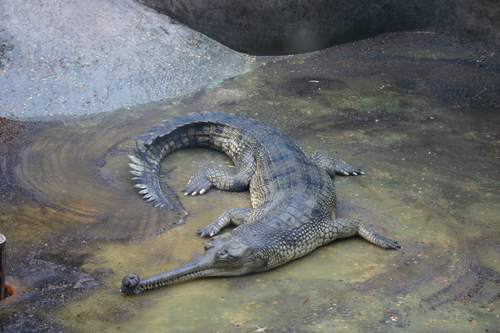
Predator (c) Ryan Somma, some rights reserved (CC BY-SA) · cc-by-saClose Relative 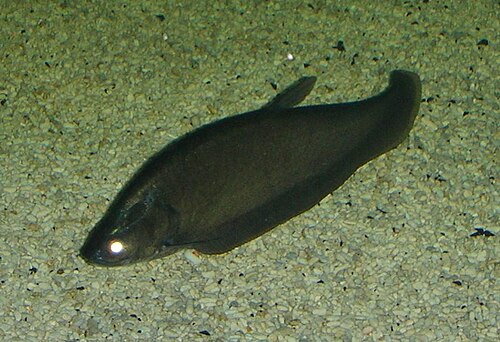
Same Family Xufanc / CC BY-SA 3.0 · cc-by-sa
Help improve the field guideSomething wrong?
Checking your Fauna account…Report a name, category, or profile issue for review.