
Fish · GBIF taxon 2400265
Freshwater Drum
Aplodinotus grunniensAlso known as Sheepshead, Thunderpumper, Gaspereau, Gray Bass
Spanning a vast range from Hudson Bay down to Guatemala, freshwater drum are deep-bodied bottom dwellers known for the low grunting sounds mature males produce during mating season. Heavy pharyngeal teeth allow them to easily crush the shells of freshwater mussels, crayfish, and aquatic snails along river and lake beds. Anglers and beachcombers frequently find their exceptionally large ear stones, known as otoliths or lucky stones, washed ashore along sandy beaches.
FreshwaterBottom FeederVocal
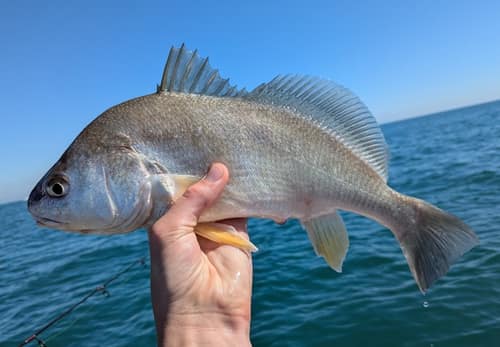
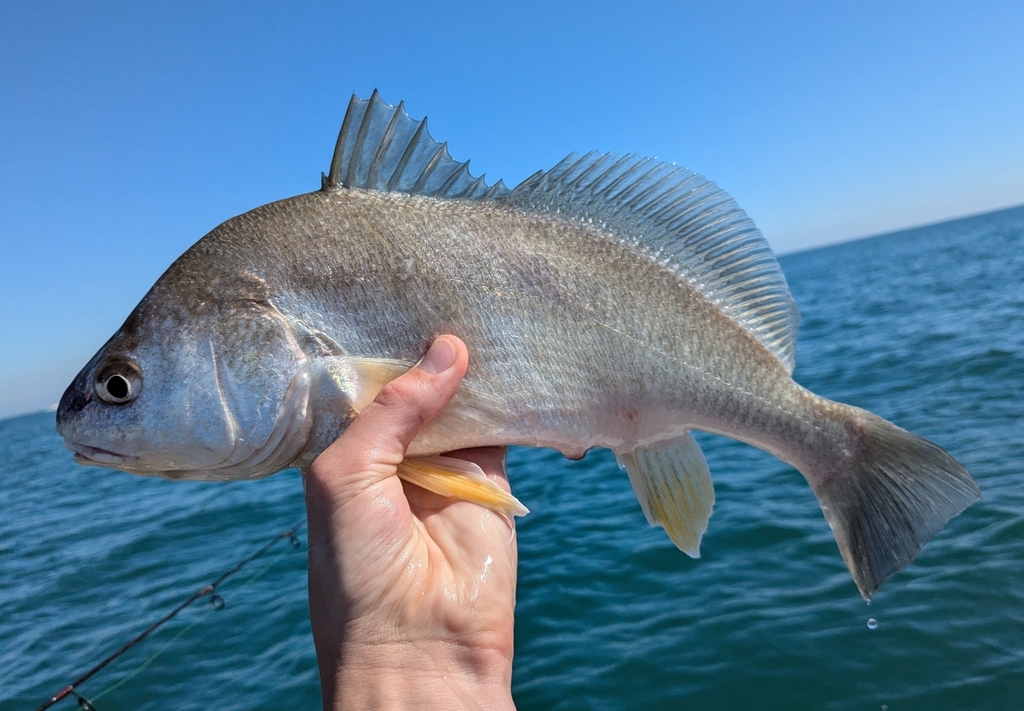
—observations
—countries
—peak records
Least ConcernConservation statusIUCN Red List categoriesLCNTVUENCREWEXLeast ConcernRed List categories, explained →
Diet & prey
- Zebra Mussels
- Crayfish
- Aquatic Insects
Predators
- Walleye
- Northern Pike
- Osprey
ThreatsDams, water pollution, siltation
HabitatsLakes, deep river channels, reservoirs
Life span15–30 years
Size / weightNot available
Classification
- FamilySciaenidae
- SpeciesAplodinotus grunniens
Range data is not available yet.
Interaction riskLow
- Low
- Moderate
- High
- Very high
- Why interaction risk is low
- Safe to observe at a normal distance.
Responsible observation
- Listening for Calls: Listen near calm river bays in late spring to hear the low grunting produced by spawning males.
- Handling Caution: Mind the sharp dorsal spines and bony gill plates when handling landed fish.
- Finding Lucky Stones: Scan gravelly beaches along large lakes for white, polished otoliths stamped with an L or J shape.
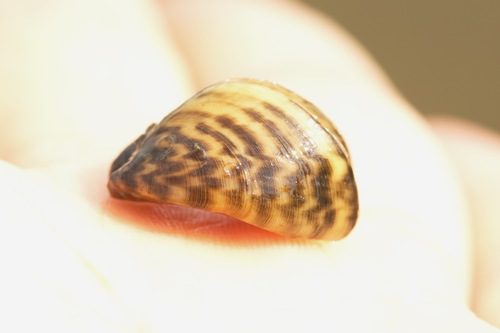
Invasive Prey (c) Вячеслав Юсупов, some rights reserved (CC BY), uploaded by Вячеслав Юсупов · cc-by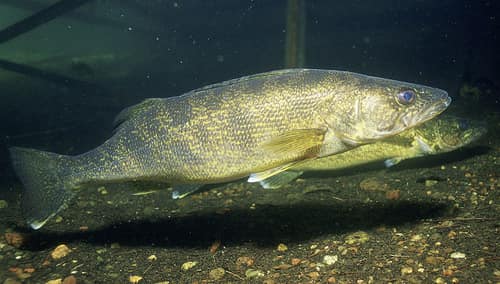
Predator (c) Animal Diversity Web, some rights reserved (CC BY) · cc-by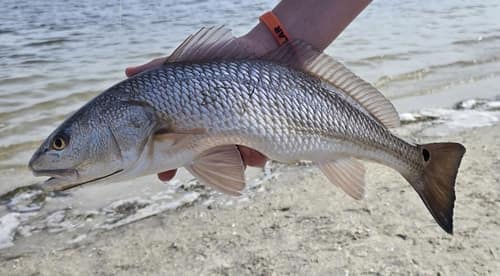
Close Relative (c) Quinn, some rights reserved (CC BY), uploaded by Quinn · cc-by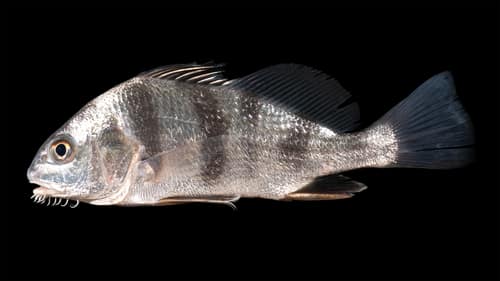
Close Relative (c) Smithsonian Environmental Research Center, some rights reserved (CC BY) · cc-by
Help improve the field guideSomething wrong?
Checking your Fauna account…Report a name, category, or profile issue for review.