
Fish
Gulf Kingcroaker
Menticirrhus littoralisAlso known as Gulf Whiting, Surf Whiting, Silver Whiting
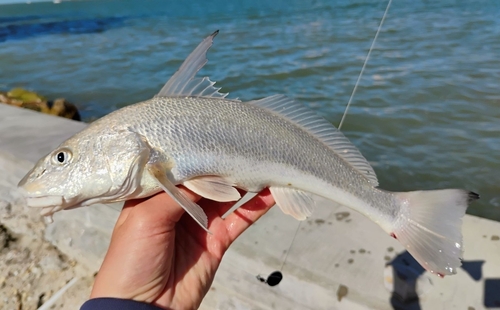
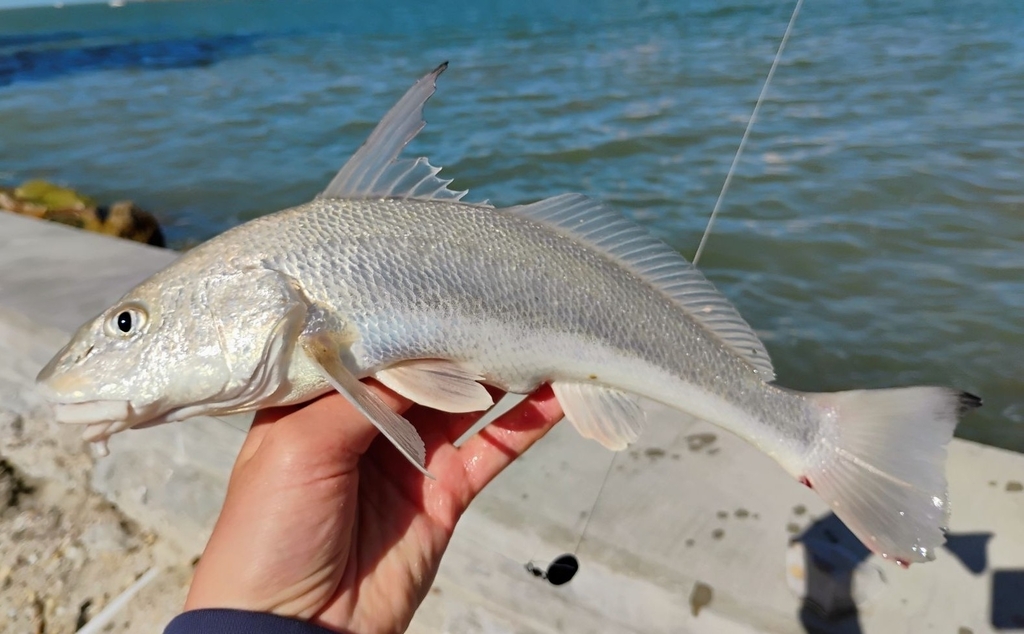
Gulf Kingcroakers thrive in the dynamic, high-energy surf along sandy ocean beaches across the northern Gulf of Mexico and warm Atlantic waters. Using a single chin barbel to probe the sand, they track down hidden invertebrates among the churning waves. Their uniformly silvery body without dark diagonal bands sets them apart from closely related surf-dwelling species.
MarineSurf ZoneBottom Feeder
—observations
—countries
—peak records
Least ConcernConservation statusIUCN Red List categoriesLCNTVUENCREWEXLeast ConcernRed List categories, explained →
Diet & preyMole Crabs, Polychaete Worms, Penaeid Shrimp
Predators
- Sharks
- Cobia
- Coastal Seabirds
ThreatsCoastal development, shoreline erosion, water pollution
HabitatsSandy ocean beaches, high-energy surf zones, shallow coastal bays
Life span3–6 years
Classification
- OrderPerciformes
- FamilySciaenidae
- GenusMenticirrhus
- SpeciesMenticirrhus littoralis
Range data is not available yet.
Interaction riskLow
- Low
- Moderate
- High
- Very high
- Why interaction risk is low
- Safe to observe at a normal distance.
Responsible observation
- Surf Zone Observations: Look for feeding fish in the shallow troughs just behind breaking waves on sandy beaches.
- Identification Cues: Check for a pale silvery body lacking dark diagonal stripes and a single chin barbel.
- Careful Handling: Wet hands before touch to preserve the protective slime layer when releasing caught fish.
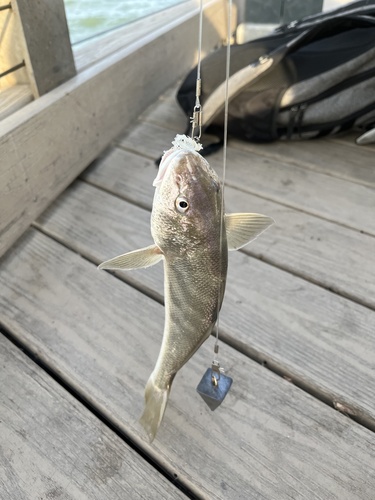
Close Relative no rights reserved · cc0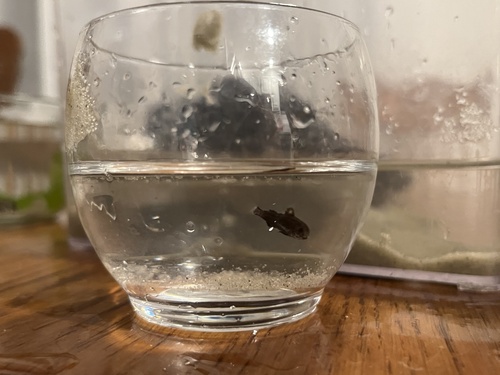
Close Relative (c) Zakqary Roy, some rights reserved (CC BY) · cc-by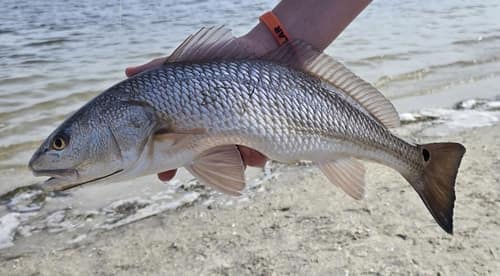
Family Member (c) Quinn, some rights reserved (CC BY), uploaded by Quinn · cc-by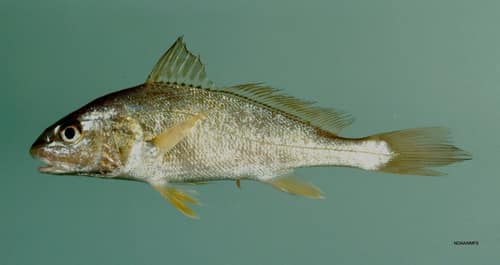
Family Member (c) NOAA Photo Library, some rights reserved (CC BY) · cc-by
Help improve the field guideSomething wrong?
Checking your Fauna account…Report a name, category, or profile issue for review.