
Species
European Barracuda
Sphyraena sphyraenaAlso known as Mediterranean Barracuda, Spet
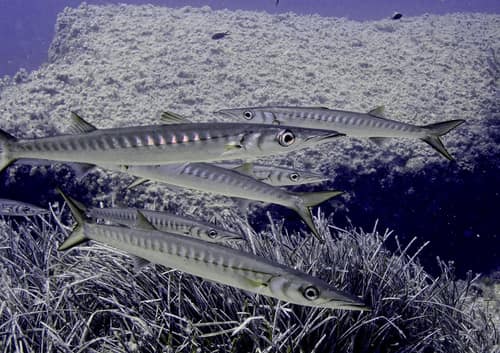
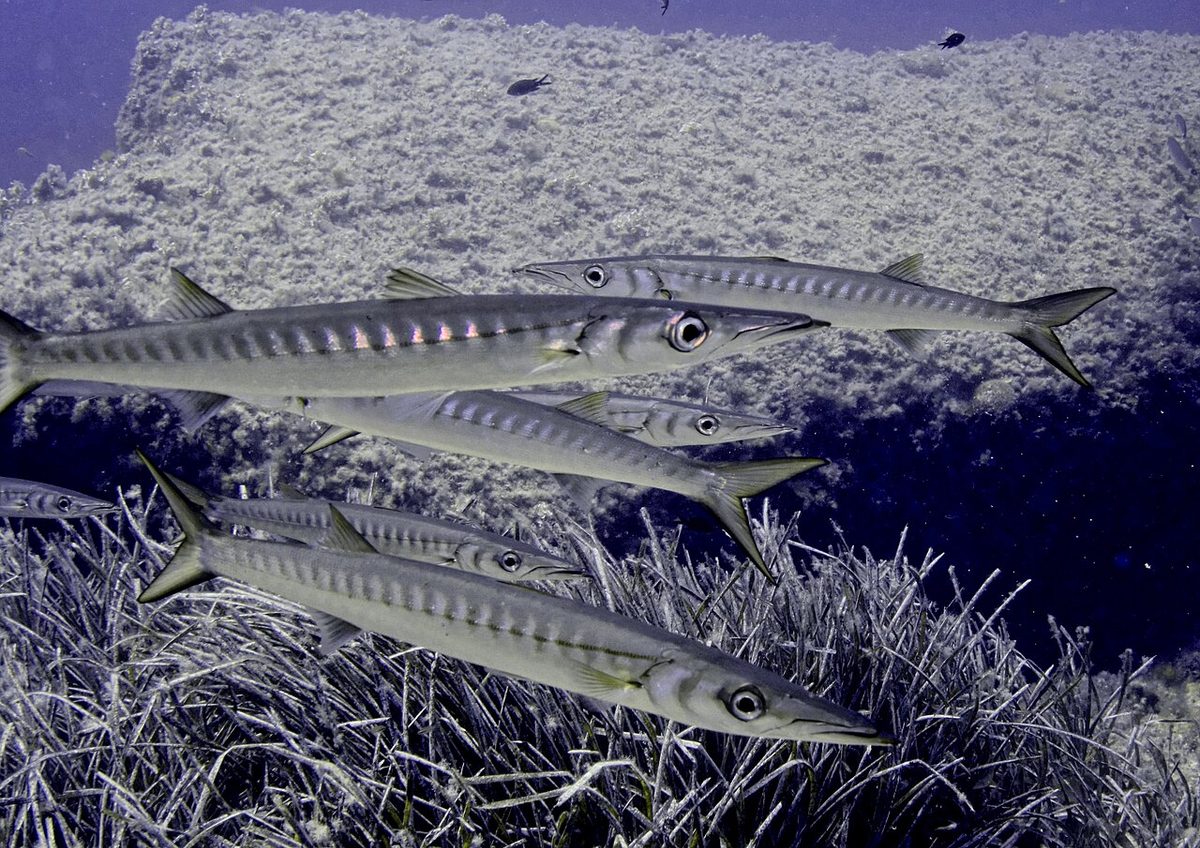
European barracudas are sleek, torpedo-shaped pelagic hunters known for their lightning-fast ambush attacks on schooling forage fish. Juveniles often gather in tight schools along sandy shallows and rocky reefs, while solitary adults patrol open waters and steep drop-offs down to depths of 100 meters. Their jutting lower jaw houses dagger-like teeth designed to snap slippery prey in half during high-speed strikes.
MarineCarnivorousPelagic
—observations
—countries
—peak records
Least ConcernConservation statusIUCN Red List categoriesLCNTVUENCREWEXLeast ConcernRed List categories, explained →
Diet & preyEuropean Pilchard, European Anchovy, Atlantic Mackerel
Predators
- Shortfin Mako Shark
- Bottlenose Dolphin
- Bluefin Tuna
ThreatsCommercial and recreational overfishing, bycatch, and coastal habitat degradation
HabitatsPelagic waters, coastal rocky reefs, and sandy bays down to 100 meters
Life span10–15 years
Classification
- FamilySphyraenidae
- SpeciesSphyraena sphyraena
Range data is not available yet.
Interaction riskLow
- Low
- Moderate
- High
- Very high
- Why interaction risk is low
- Formidable teeth can inflict deep cuts if handled; observe swimming fish from a respectful distance.
- Why it is dangerous
- Equipped with powerful jaws and needle-sharp dagger teeth that can slice flesh and cause extensive lacerations when hooked or grabbed.
- How to recognize a risky encounter
- Recognize by an elongated silvery body, a prominent underslung lower jaw, and faint dark bars along the upper flanks.
- What to do
- Never touch or grab a live barracuda by hand; use lip grippers and heavy pliers to remove hooks safely.
Responsible observation
- Snorkeling Observation: Maintain smooth, deliberate movements and avoid cornering schooling barracudas along shallow reefs.
- Angling Safety: Always use long-nosed pliers or unhooking tools to prevent severe dental lacerations when landed.
- Reflective Gear: Avoid wearing shiny jewelry or metallic gear in murky water, as it can mimic baitfish flashes.
 Image unavailable
Prey 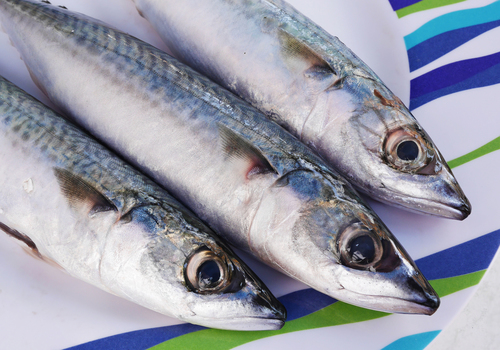
Prey (c) Petar Milošević, some rights reserved (CC BY-SA) · cc-by-saClose Relative 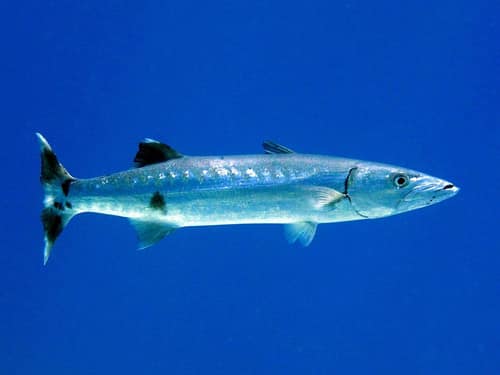
Close Relative Hectonichus / CC BY-SA 4.0 · CC BY-SA 4.0
Help improve the field guideSomething wrong?
Checking your Fauna account…Report a name, category, or profile issue for review.