
Fish
Tomtate
Haemulon aurolineatumAlso known as Tomtate Grunt, Yellow Grunt, Redmouth Grunt
Tomtates form dense, shimmering aggregations above shallow patch reefs and shipwrecks by day, drifting lazily within the surge. When dusk arrives, schools disperse into adjacent seagrass beds and open sand flats to hunt small invertebrates under cover of darkness. Like their relatives, they produce audible grunting sounds by grinding their pharyngeal teeth, which their swim bladders amplify during territorial disputes.
SchoolingMarineNocturnal Feeder
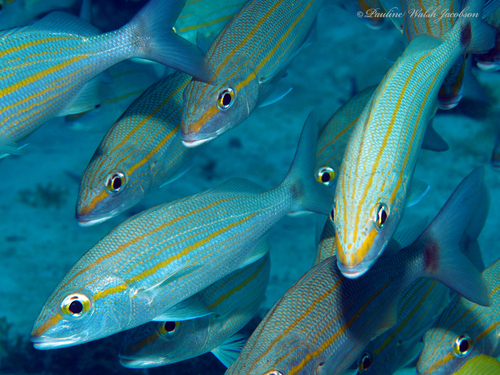
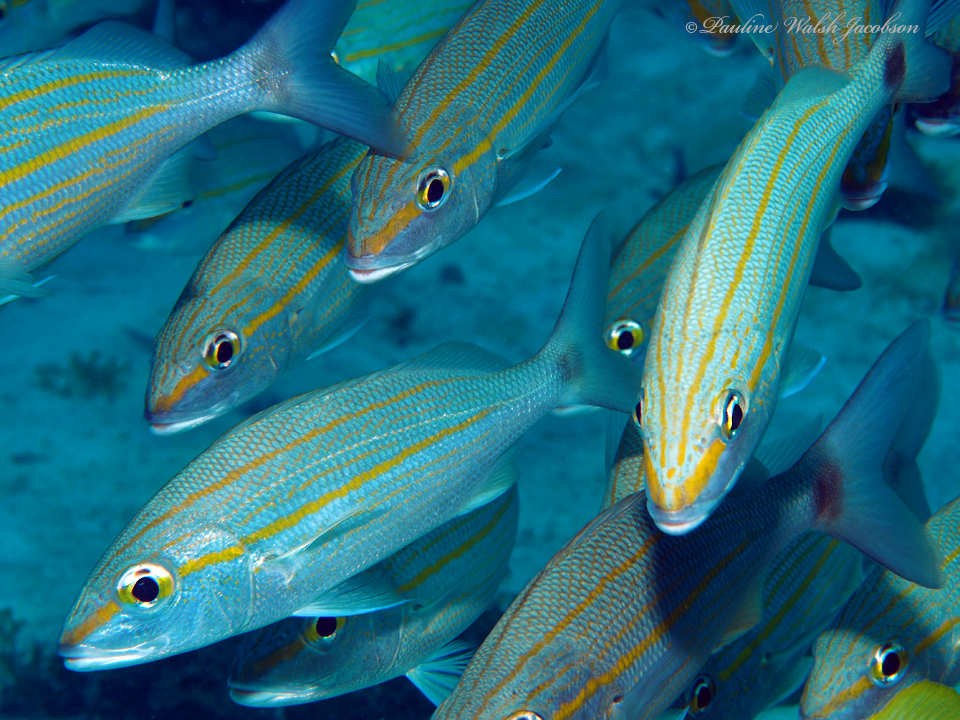
—observations
—countries
—peak records
Least ConcernConservation statusIUCN Red List categoriesLCNTVUENCREWEXLeast ConcernRed List categories, explained →
Diet & preyBenthic Amphipods, Polychaete Worms, Copepods
Predators
- Great Barracuda
- Goliath Grouper
- Blackfin Snapper
ThreatsBycatch in trawl fisheries, reef habitat degradation, and coastal pollution
HabitatsCoral reefs, rocky ledges, seagrass beds, and patch reefs
Life span5–9 years
Classification
- OrderPerciformes
- FamilyHaemulidae
- GenusHaemulon
- SpeciesHaemulon aurolineatum
Range data is not available yet.
Interaction riskLow
- Low
- Moderate
- High
- Very high
- Why interaction risk is low
- Safe to observe at a normal distance.
Responsible observation
- Reef Etiquette: Maintain neutral buoyancy to avoid disturbing resting daytime schools.
- Night Dives: Use a diffused or red light to watch solitary feeding behavior on sand flats.
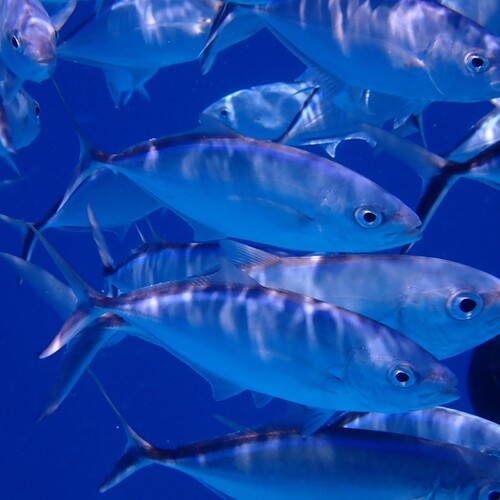
Frequent Companion (c) nbasargin, some rights reserved (CC BY) · cc-by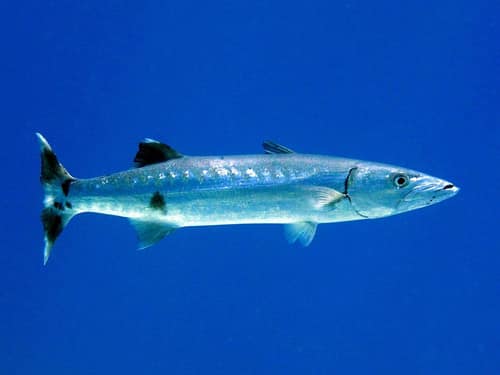
Predator Hectonichus / CC BY-SA 4.0 · CC BY-SA 4.0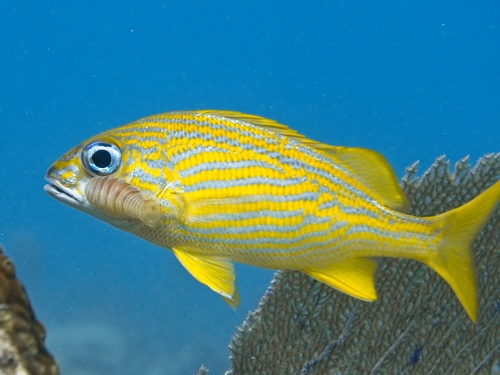
Close Relative (c) Matteo Cassella, some rights reserved (CC BY-SA), uploaded by Matteo Cassella · cc-by-sa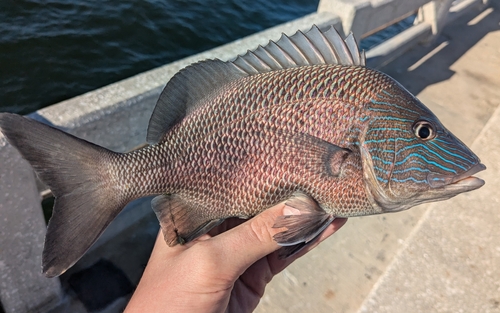
Close Relative (c) Quinn, some rights reserved (CC BY), uploaded by Quinn · cc-by
Help improve the field guideSomething wrong?
Checking your Fauna account…Report a name, category, or profile issue for review.