
Species
Banded Darter
Etheostoma zonaleBanded darters navigate brisk, clear river riffles by darting from rock to rock, using their pectoral fins to brace against turbulent currents. During the spring spawning season, males flare intense emerald-green vertical bars and bright red markings along their dorsal fins to court females among submerged mosses and river algae. Females lay adhesive eggs directly onto strands of aquatic vegetation, relying on swift oxygenated currents to keep the brood healthy.
FreshwaterStream DwellerColorful
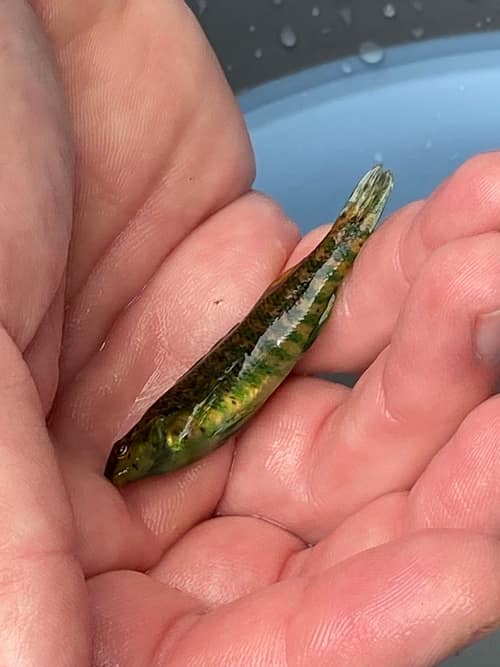
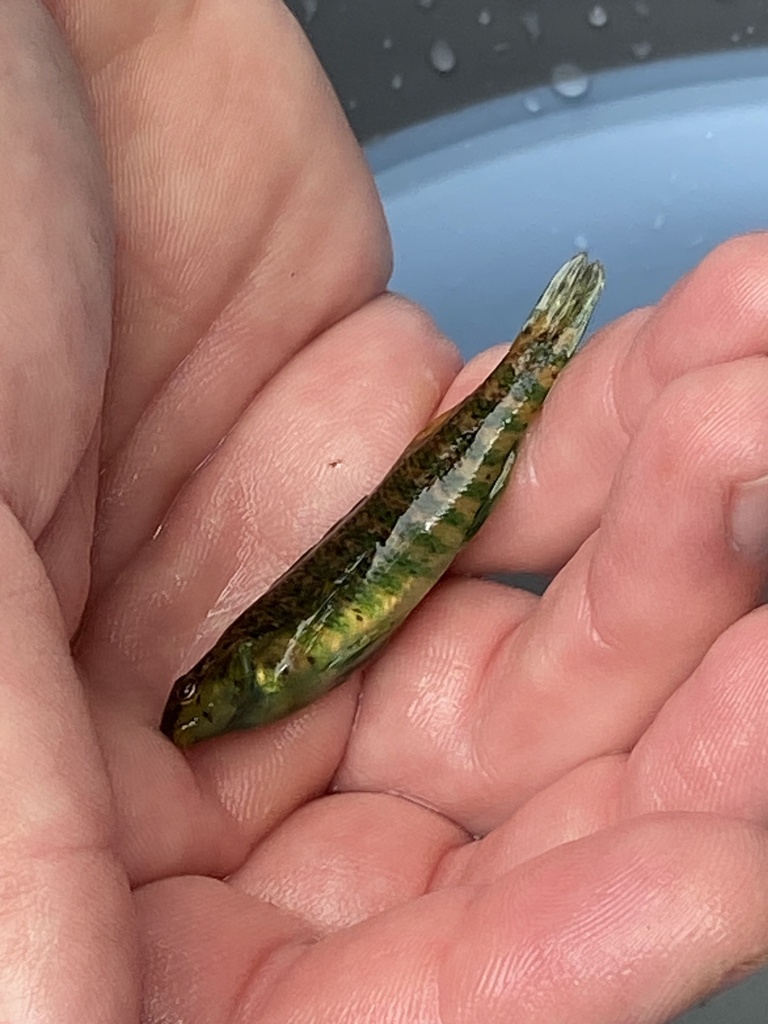
—observations
—countries
—peak records
Least ConcernConservation statusIUCN Red List categoriesLCNTVUENCREWEXLeast ConcernRed List categories, explained →
Diet & preyMidge Larvae, Blackfly Larvae, Mayfly Nymphs
Predators
- Smallmouth Bass
- Northern Watersnake
- Green Heron
ThreatsSiltation, agricultural runoff, industrial pollution, and stream impoundment
HabitatsRocky riffles and gravel shoals of clear, fast-flowing creeks and small rivers
Life span2–3 years
Classification
- FamilyPercidae
- SpeciesEtheostoma zonale
Range data is not available yet.
Interaction riskLow
- Low
- Moderate
- High
- Very high
- Why interaction risk is low
- Safe to observe at a normal distance.
Responsible observation
- Viewing Gear: Use polarized sunglasses or a clear underwater viewing bucket to spot them resting in sunlit riffles.
- Habitat Care: Avoid overturning rocks or wading excessively through gravel shoals during spring spawning.
- Water Quality: Look for them in cool, clear, mossy streams, as they vanish quickly from waters fouled by silt.
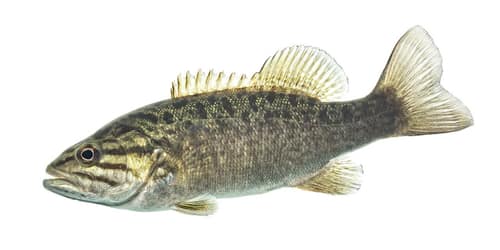
Predator USFWS Mountain Prairie / Public domain · cc0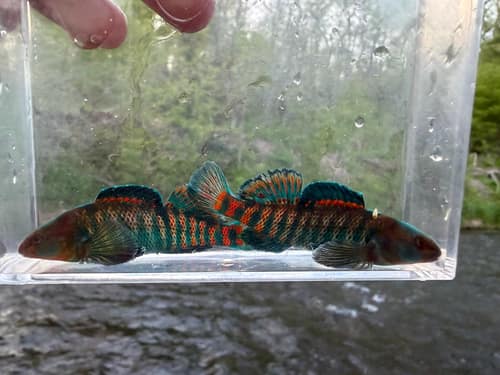
Close Relative (c) Gojilynx, some rights reserved (CC BY) · cc-by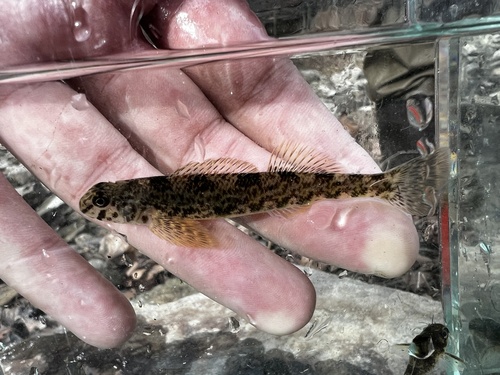
Close Relative (c) Nick Tobler (Cowturtle), some rights reserved (CC BY) · cc-by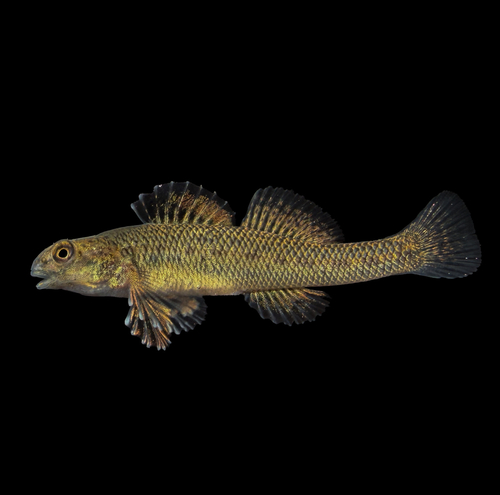
Close Relative (c) Steven Wang, some rights reserved (CC BY), uploaded by Steven Wang · cc-by
Help improve the field guideSomething wrong?
Checking your Fauna account…Report a name, category, or profile issue for review.