
Species · GBIF taxon 2382273
Seagreen Darter
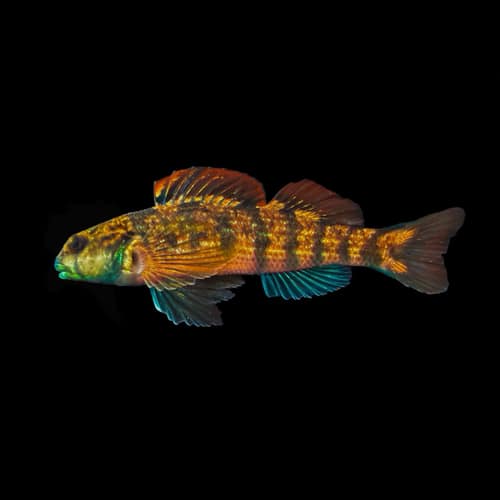
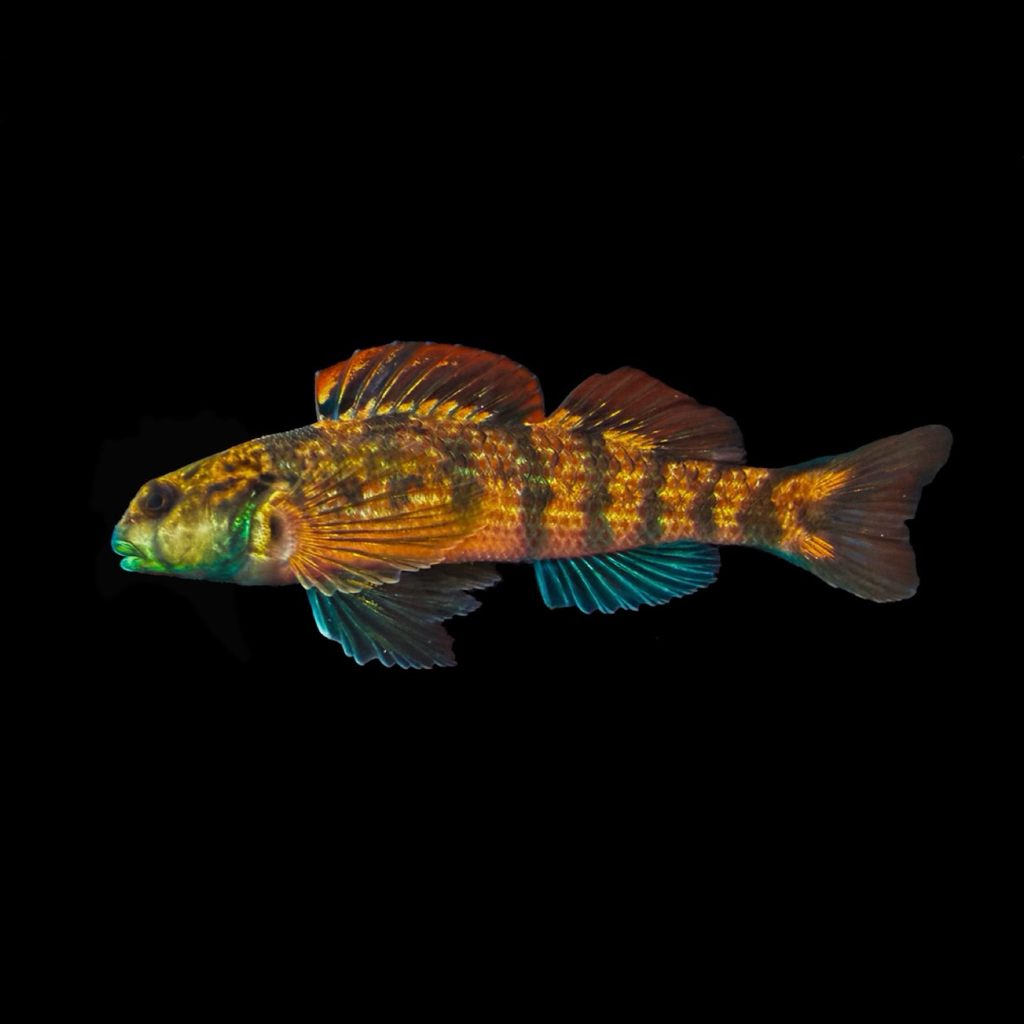
Etheostoma thalassinumSeagreen darters navigate turbulent rocky riffles with rapid, darting bursts, using enlarged pectoral fins to anchor themselves against swift currents on the riverbed. During the spring breeding season, males undergo a dramatic transformation, developing vivid turquoise-green bars and rust-orange accents along their dorsal and anal fins to court females. These bottom-dwelling insectivores rely on clean, silt-free cobble substrates to deposit eggs and forage for aquatic larvae.
FreshwaterEndemicColorful
—observations
—countries
—peak records
Least ConcernConservation statusIUCN Red List categoriesLCNTVUENCREWEXLeast ConcernRed List categories, explained →
Diet & prey
- Chironomid midge larvae
- Blackfly larvae
- Mayfly nymphs
Predators
- Larger sunfish and bass
- Northern watersnake
- Herons
ThreatsSiltation, agricultural runoff, dam construction, and stream fragmentation
HabitatsFast-flowing rocky riffles in creeks and small to medium rivers
Life span2–4 years
Size / weightNot available
Classification
- OrderPerciformes
- FamilyPercidae
- GenusEtheostoma
- SpeciesEtheostoma thalassinum
Range data is not available yet.
Interaction riskLow
- Low
- Moderate
- High
- Very high
- Why interaction risk is low
- Safe to observe at a normal distance.
Responsible observation
- Viewing Gear: Use a clear underwater viewing box or polarized sunglasses on bright, calm days to spot them between rocks.
- Habitat Care: Avoid overturning or shifting river cobbles, which destroys vital spawning and foraging microhabitats.
- Stream Health: Watch for them in clear, well-oxygenated riffles, as their presence indicates good local water quality.
 Image unavailable
Same Genus 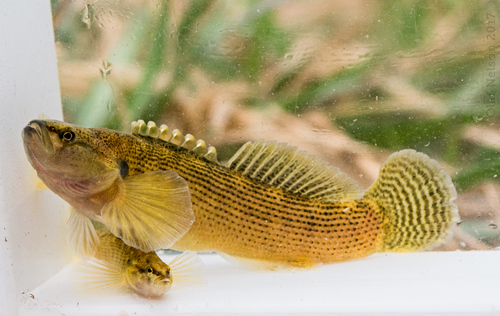
Same Genus (c) OGNelson, some rights reserved (CC BY) · cc-by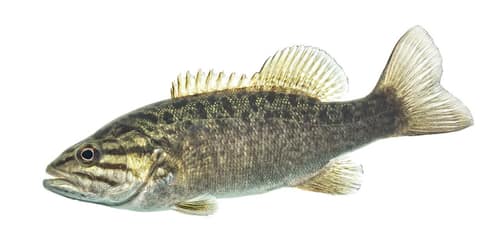
Predator USFWS Mountain Prairie / Public domain · cc0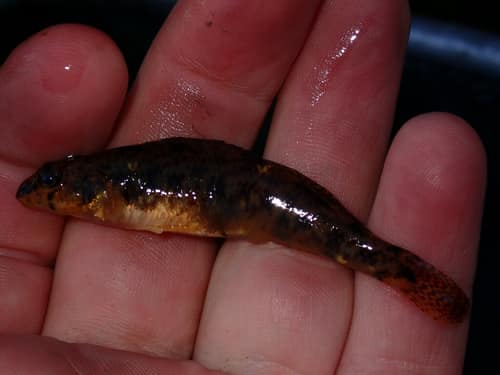
Close Relative (c) Zakqary Roy, some rights reserved (CC BY) · cc-bySame Family
Help improve the field guideSomething wrong?
Checking your Fauna account…Report a name, category, or profile issue for review.