
Fish · GBIF taxon 2382207
Vermilion Darter
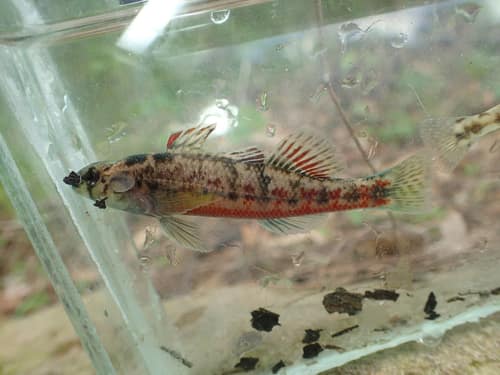
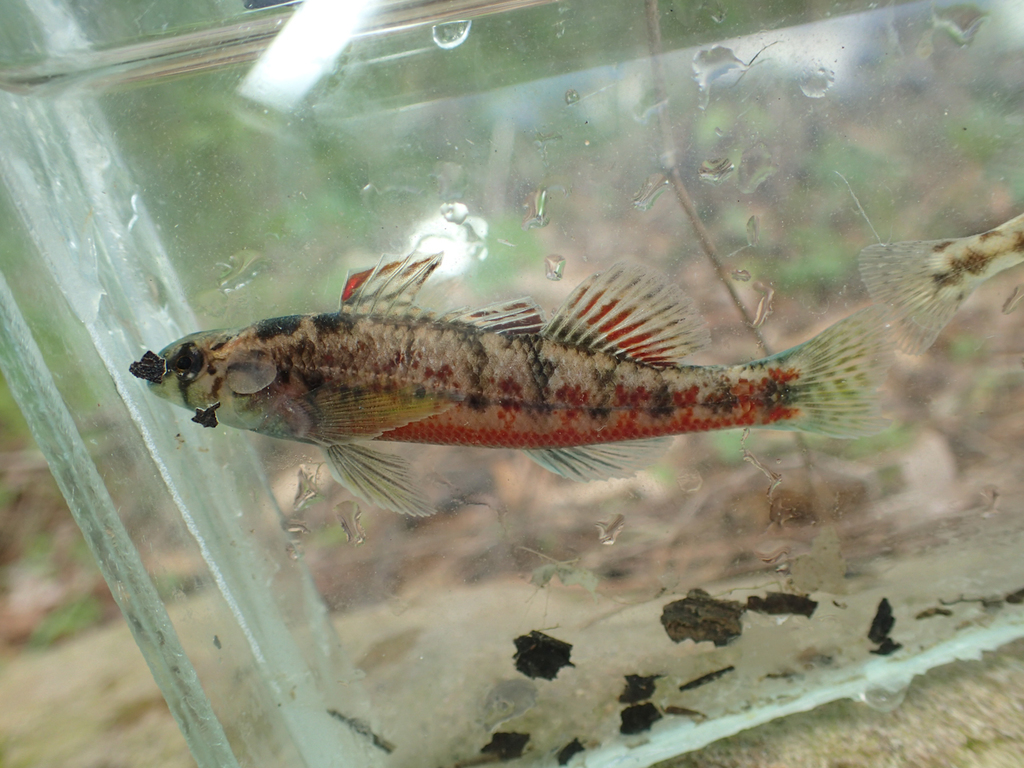
Etheostoma chermockiVermilion darters inhabit clean, gravel-bottomed pools and riffles in a single stream system in central Alabama. Males display brilliant scarlet coloration across their bellies and fins during the spring spawning season, perching on rocks to defend small territories from rivals. Because their global distribution spans just a few miles of waterway, they are acutely sensitive to siltation and run-off from urban development.
EndangeredFreshwaterColorful
—observations
—countries
—peak records
Critically EndangeredConservation statusIUCN Red List categoriesLCNTVUENCREWEXCritically EndangeredRed List categories, explained →
Diet & prey
- Midge larvae
- Caddisfly larvae
- Mayfly nymphs
Predators
- Larger stream fish
- Herons
- Water snakes
ThreatsUrban development, siltation, run-off pollution, and stream bed alteration
HabitatsSpring-fed gravel riffles and clear stream pools
Life span2–4 years
Size / weightNot available
Classification
- FamilyPercidae
- SpeciesEtheostoma chermocki
Range data is not available yet.
Interaction riskLow
- Low
- Moderate
- High
- Very high
- Why interaction risk is low
- Safe to observe at a normal distance.
- What to notice
- Small darter with bright vermilion-red underparts on males during the spring season.
- Support conservation
- Observe strictly from the bank and avoid wading into gravel riffles where nests exist.
Responsible observation
- Location: Search only in the Turkey Creek watershed of Alabama, their sole global home.
- Viewing: Peer into clear, shallow riffles during spring to spot colorful males.
- Conservation: Stay on stream banks to avoid crushing eggs buried in gravel riffles.
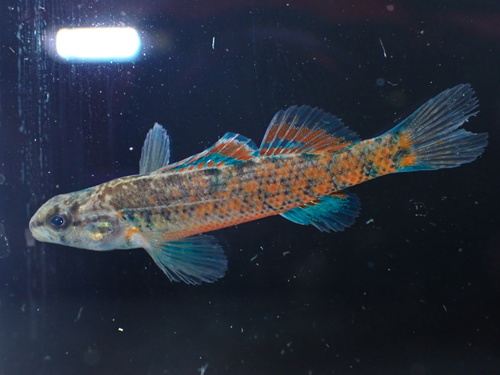
Regional Kin (c) Tayton Alvis, some rights reserved (CC BY), uploaded by Tayton Alvis · cc-by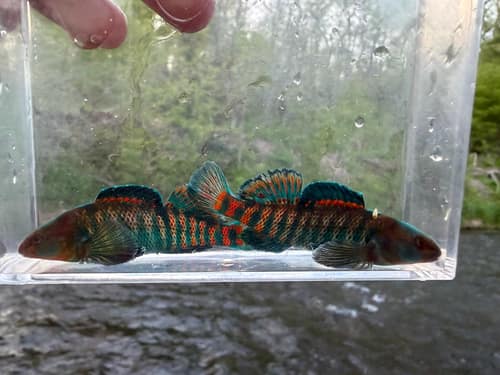
Close Relative (c) Gojilynx, some rights reserved (CC BY) · cc-by
Help improve the field guideSomething wrong?
Checking your Fauna account…Report a name, category, or profile issue for review.