Sarcastic fringeheads are fiercely territorial tube-blennies famous for their expansive, brightly colored oral displays. When two males dispute a den, they flare their elastic jaws into wide, luminous discs and press their mouths together like wrestlers until one retreats. Outside of territory defense, they spend most of their lives concealed within abandoned gastropod shells, boring clam holes, or discarded human debris along the Pacific seabed.
ThreatsCoastal pollution, sedimentation, and accidental capture in dredging or fishing gear
HabitatsSubtidal rocky reefs, kelp beds, and sandy bottoms littered with shelter
Life spanUp to 6 years
Classification
FamilyChaenopsidae
SpeciesNeoclinus blanchardi
Range & activity
Range data is not available yet.
Safe observation
Interaction riskLow
Low
Moderate
High
Very high
Why interaction risk is low
Has sharp needle-like teeth and will bite approaching divers or intrusive hands; observe from a respectful distance.
Why it is dangerous
Equipped with strong jaws and numerous sharp teeth that can deliver a painful puncture wound when an intruder invades its immediate territory.
How to recognize a risky encounter
Look for a slender, mottled brown blenny peering from a tube or burrow with feathery cirri over its eyes and an enormous mouth line stretching past its gills.
What to do
Maintain at least half a meter of space while scuba diving and avoid extending fingers, cameras, or gear directly into den openings.
Responsible observation
Diving etiquette: Keep dive lights angled indirectly to avoid stressing fish defending a den entrance.
Den awareness: Never reach into open bottles, cans, or burrows on the seafloor where a fish may be nesting.

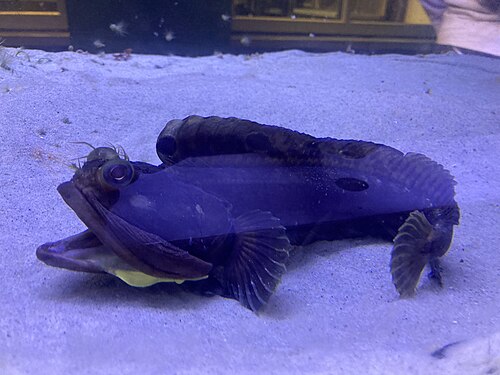
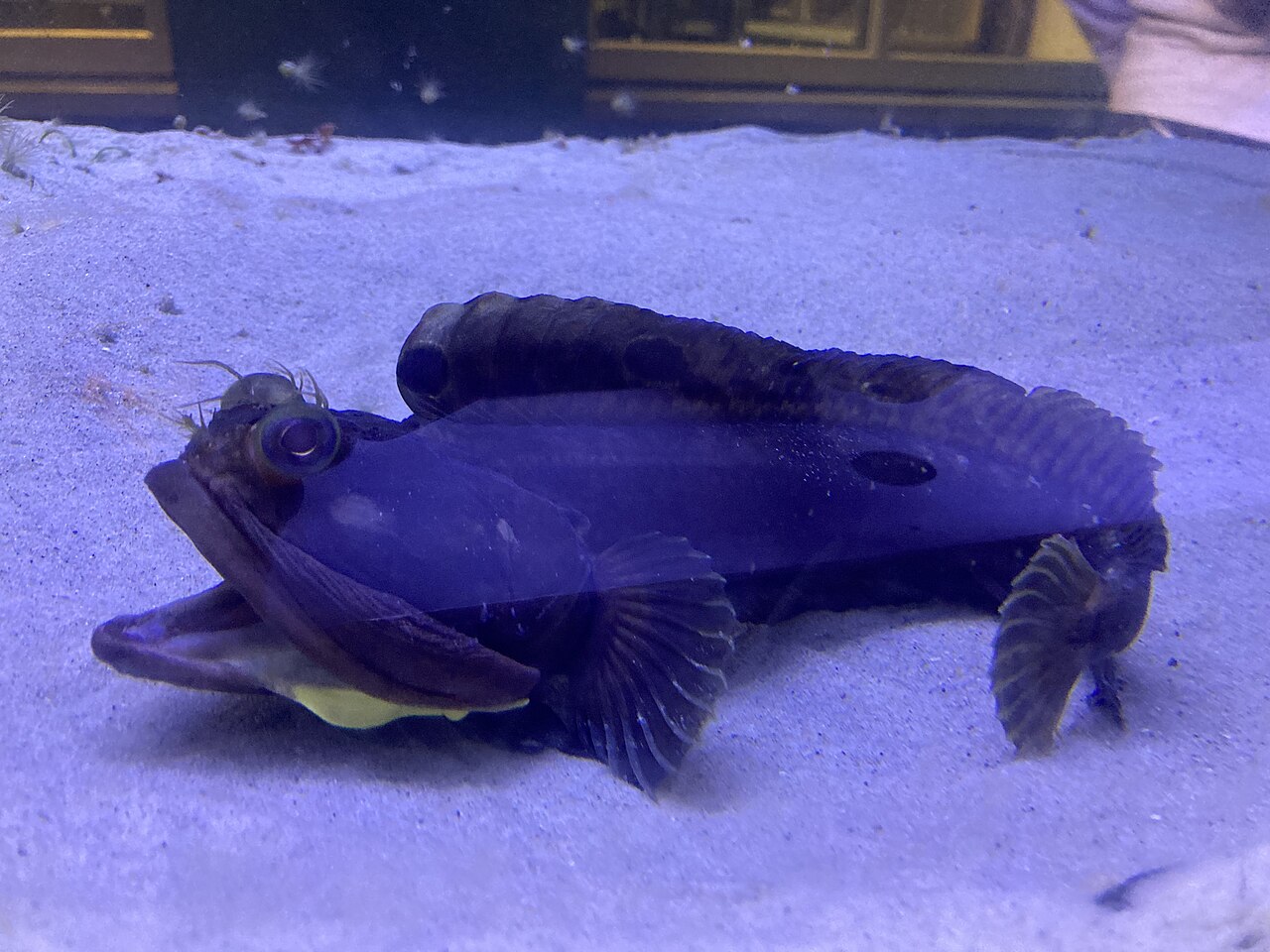
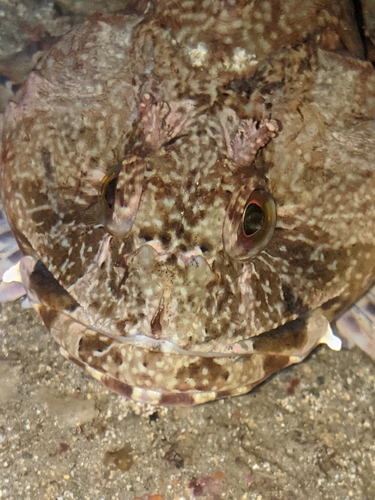
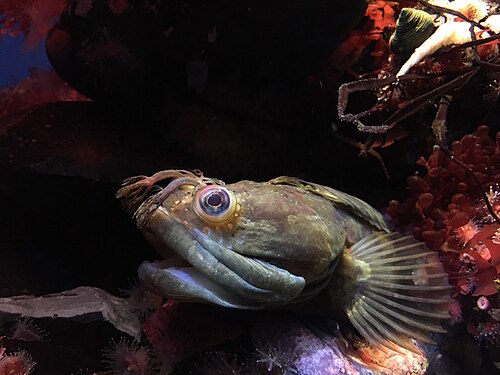
 Image unavailable