
Species
Common Mudskipper
Periophthalmus kaloloAlso known as Kalolo Mudskipper
Common mudskippers spend up to ninety percent of their adult lives out of water, skipping across exposed tidal flats using muscular, limb-like pectoral fins. They carry water within enlarged gill chambers and breathe through moist skin while hunting for invertebrates. Males vigorously defend feeding territories and build subterranean mud burrows, flashing high-contrast dorsal fins to challenge rivals at low tide.
AmphibiousMangrove DwellerIntertidal
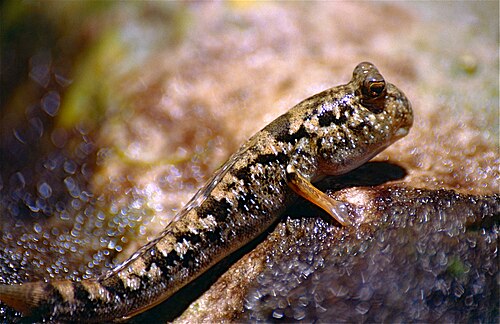
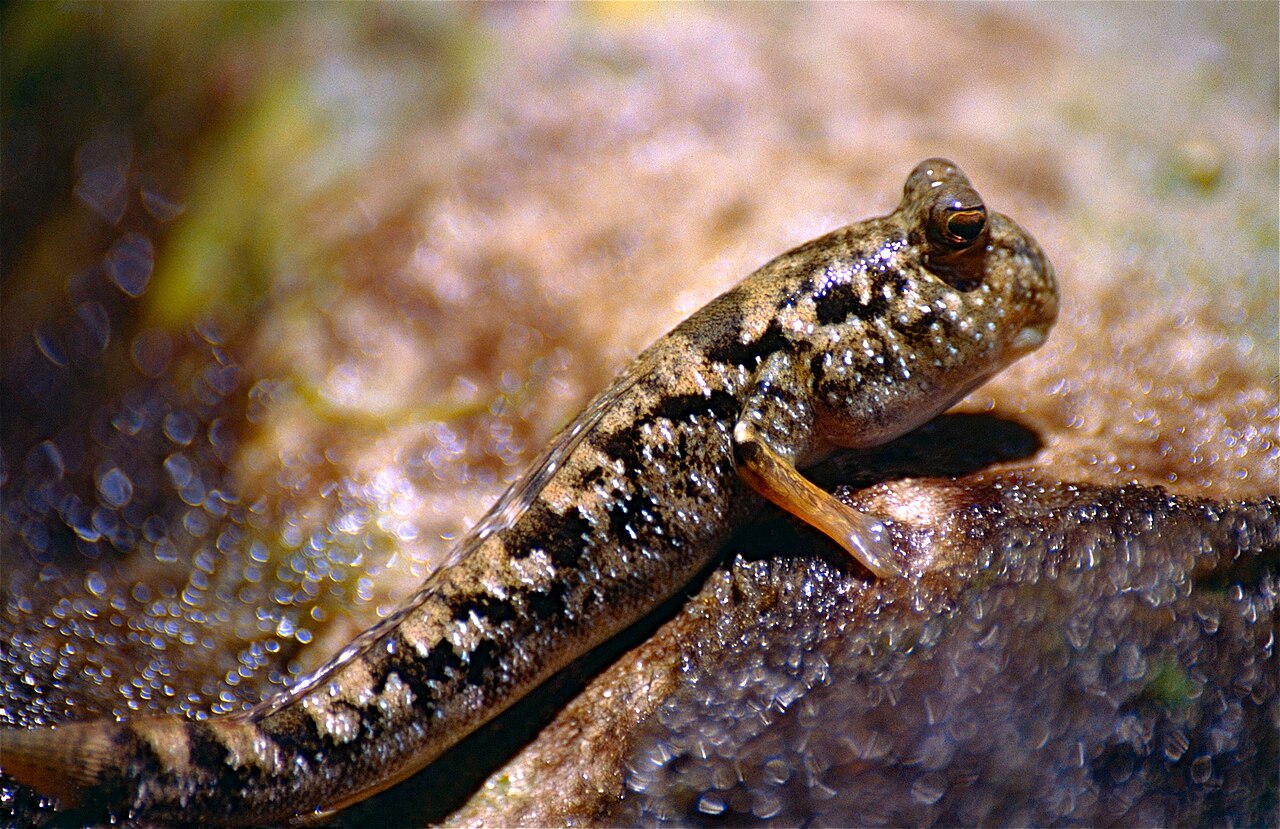
—observations
—countries
—peak records
Least ConcernConservation statusIUCN Red List categoriesLCNTVUENCREWEXLeast ConcernRed List categories, explained →
Diet & preyFiddler crabs, Insects, Marine worms
Predators
- Herons
- Kingfishers
- Water snakes
ThreatsMangrove habitat destruction, coastal development, and estuarine pollution
HabitatsMangrove forests, estuarine mudflats, and tidal riverbanks
Life span3–5 years
Classification
- FamilyGobiidae
- SpeciesPeriophthalmus kalolo
Range data is not available yet.
Interaction riskLow
- Low
- Moderate
- High
- Very high
- Why interaction risk is low
- Harmless to humans; safe to observe from boardwalks and shorelines.
Responsible observation
- Tidal Timing: Visit mangrove boardwalks at low tide when mudflats are exposed and mudskippers are most active.
- Shadow Awareness: Approach viewing areas slowly because quick movements and shadows cause them to flee into burrows.
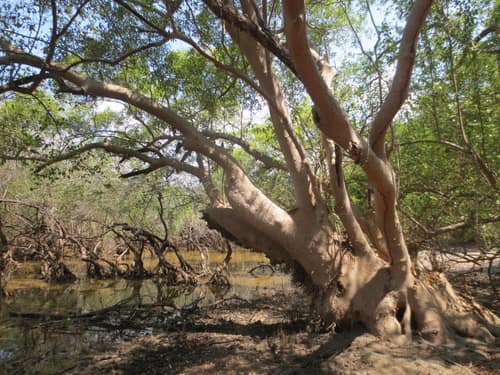
Habitat Provider Colin Trainor / CC BY-SA 3.0 · cc-by-sa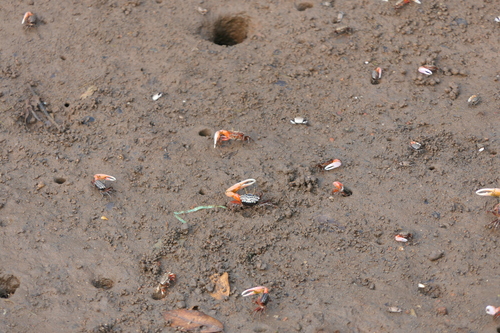
Prey (c) Dinesh Valke, some rights reserved (CC BY-SA) · cc-by-sa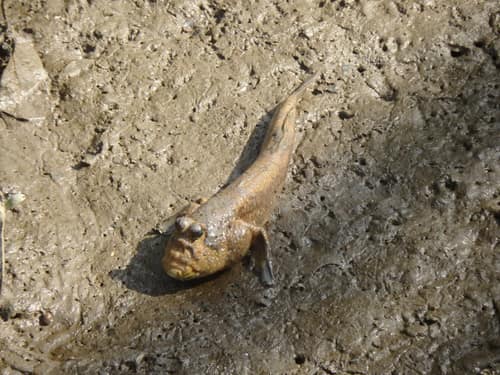
Close Relative (c) Samuel Lee, some rights reserved (CC BY) · cc-by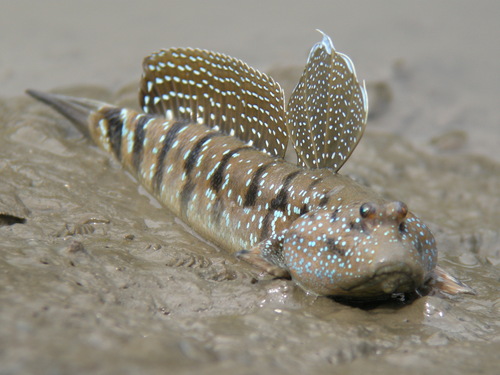
Close Relative (c) Ian Dugdale, some rights reserved (CC BY), uploaded by Ian Dugdale · cc-by
Help improve the field guideSomething wrong?
Checking your Fauna account…Report a name, category, or profile issue for review.