
Fish · GBIF taxon 2372367
Blue Tilapia
Oreochromis aureusAlso known as Blue Kurper, Israeli Tilapia, Jordan St. Peter's Fish
Blue tilapia thrive in warm, slow-moving waters where males establish circular breeding depressions in sandy shallows, aggressively defending their territory against intruders. Females brood fertilized eggs and young fry inside their mouths for several weeks, providing critical protection against aquatic predators. Introduced globally for aquaculture and weed control, their adaptable diet and high tolerance for low oxygen allow them to displace native fish communities.
FreshwaterInvasiveMouthbrooder
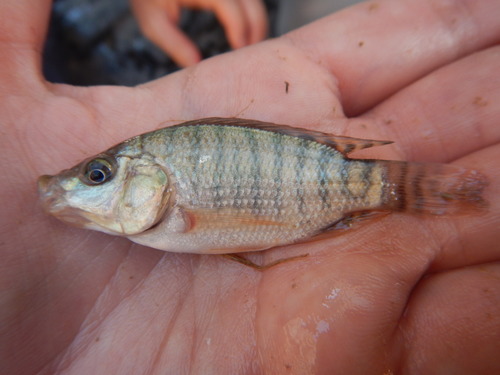
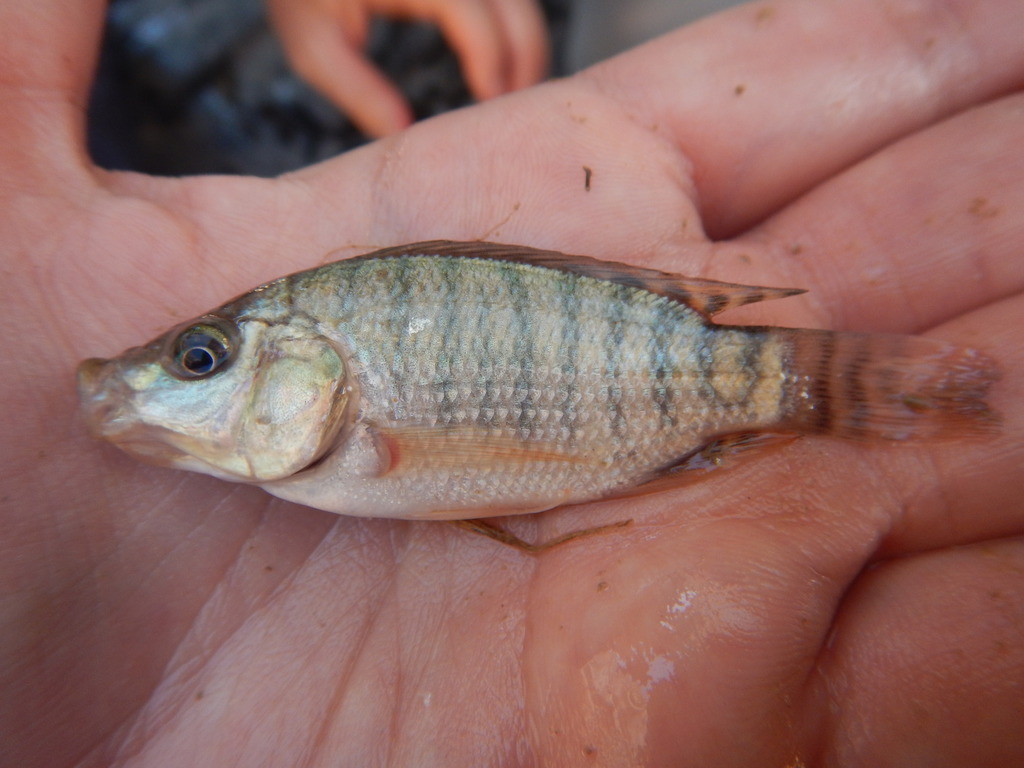
—observations
—countries
—peak records
Least ConcernConservation statusIUCN Red List categoriesLCNTVUENCREWEXLeast ConcernRed List categories, explained →
Diet & prey
- Filamentous algae
- Phytoplankton
- Aquatic macrophytes
Predators
- Osprey
- American Alligator
- Largemouth Bass
ThreatsOverfishing in native waters, water pollution, and drought
HabitatsLakes, ponds, sluggish rivers, canals, and brackish estuaries
Life span5–10 years
Classification
- OrderPerciformes
- FamilyCichlidae
- GenusOreochromis
- SpeciesOreochromis aureus
Range data is not available yet.
Interaction riskLow
- Low
- Moderate
- High
- Very high
- Why interaction risk is low
- Safe to observe at a normal distance; sharp dorsal fin spines can puncture careless hands.
Responsible observation
- Observation Timing: Watch quiet shallows on sunny days to spot males guarding circular nests.
- Handling Precaution: Lay a wet cloth over the dorsal fin to prevent painful spine punctures.
- Invasive Reporting: Note locations in introduced waterways and check local biosecurity rules.
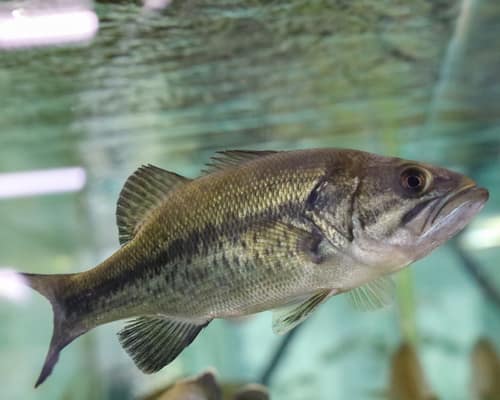
Competitor (c) Oak Ridge National Laboratory, some rights reserved (CC BY) · cc-by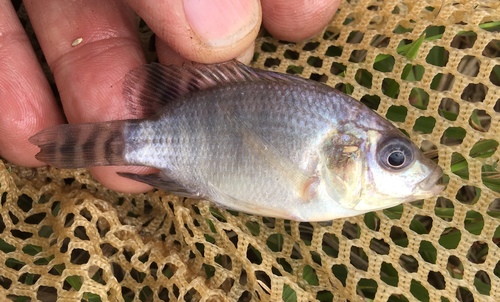
Close Relative no rights reserved · cc0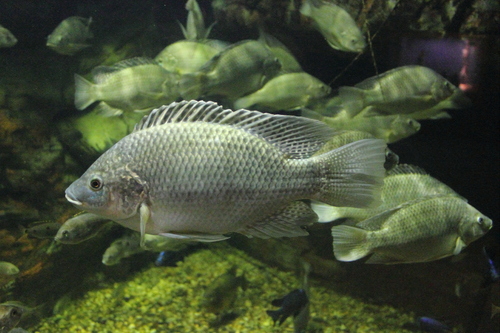
Close Relative (c) Greg Hume, some rights reserved (CC BY-SA) · cc-by-sa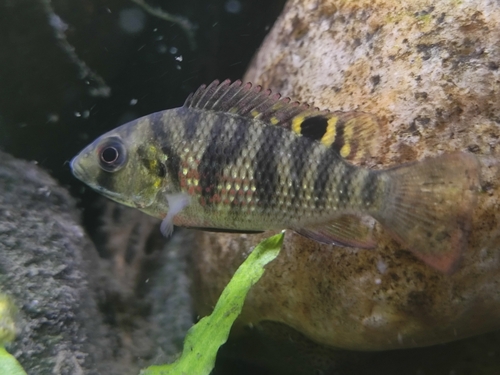
Same Family (c) wangshi8232, some rights reserved (CC BY) · cc-by
Help improve the field guideSomething wrong?
Checking your Fauna account…Report a name, category, or profile issue for review.