
Species · GBIF taxon 2367736
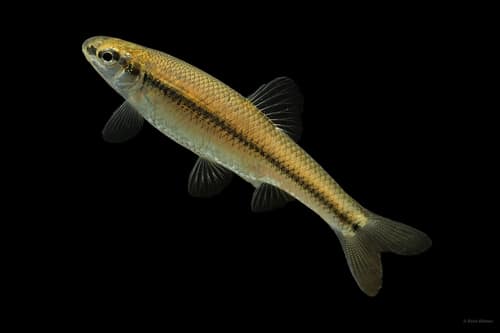
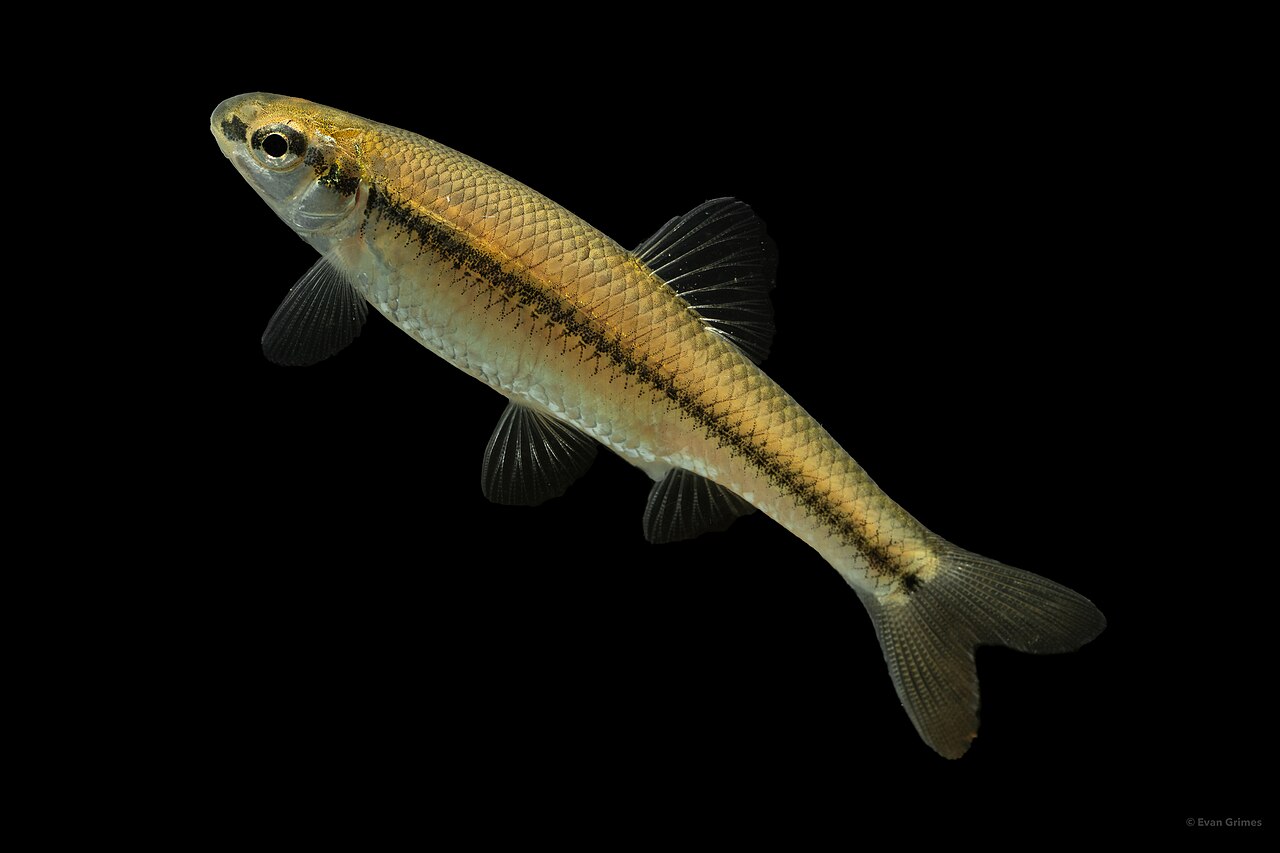
Bluntnose Minnow
Pimephales notatusAlso known as Blunt-nosed Minnow
Bluntnose minnows form dense shoals over rocky or sandy bottoms in clear streams, lakes, and ponds. During the spring breeding season, males develop spongy pads on their snouts and dark breeding colors, meticulously guarding eggs attached to the undersides of submerged stones. As one of North America's most ubiquitous forage fishes, they form a crucial link in aquatic food webs by grazing on algae and aquatic invertebrates while feeding larger predatory fish.
FreshwaterSchoolingForage Fish
—observations
—countries
—peak records
Least ConcernConservation statusIUCN Red List categoriesLCNTVUENCREWEXLeast ConcernRed List categories, explained →
Diet & prey
- Aquatic Insect Larvae
- Algae
- Cladocerans
Predators
- Largemouth Bass
- Northern Pike
- Great Blue Heron
ThreatsAgricultural runoff, severe siltation, and extreme water pollution
HabitatsStreams, rivers, lakes, and ponds with gravel, sand, or firm mud bottoms
Life span3–5 years
Size / weightNot available
Classification
- FamilyCyprinidae
- SpeciesPimephales notatus
Range data is not available yet.
Interaction riskLow
- Low
- Moderate
- High
- Very high
- Why interaction risk is low
- Safe to observe at a normal distance.
Responsible observation
- Polarized Glasses: Wear polarized sunglasses when viewing shallow stream riffles to eliminate surface glare.
- Look Under Overhead Cover: Check around submerged logs, flat rocks, and dock pilings where shoals often aggregate.
- Spawning Observations: Watch shallow gravel bars in late spring to spot males defending dark nesting sites beneath stones.
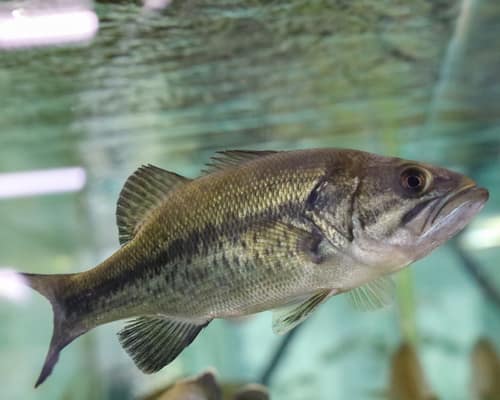
Predator (c) Oak Ridge National Laboratory, some rights reserved (CC BY) · cc-by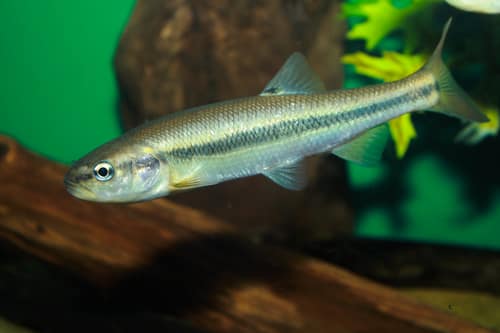
Frequent Companion "Creek Chub, Semotilus atromaculatus" by brian.gratwicke is licensed under CC BY 2.0. To view a copy of this license, visit https://creativecommons.org/licenses/by/2.0/. · cc-by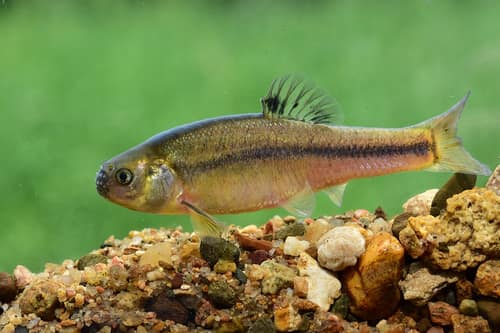
Close Relative Dhester88 / CC BY-SA 4.0 · cc-by-sa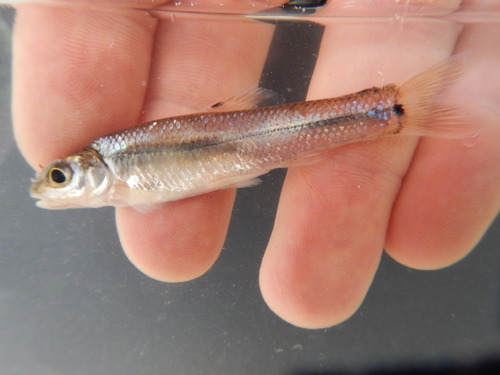
Close Relative (c) Fishes of Texas team, some rights reserved (CC BY-SA), uploaded by Fishes of Texas team · cc-by-sa
Help improve the field guideSomething wrong?
Checking your Fauna account…Report a name, category, or profile issue for review.