
Species · GBIF taxon 2366967
Common Shiner
Luxilus cornutusAlso known as Eastern Common Shiner
Common shiners form energetic schools in clear, cool North American streams where they feed actively on drifting insects. During spring spawning, mature males develop vibrant pinkish-orange fins, iridescent silvery-blue flanks, and cone-like breeding tubercles across their heads. They frequently spawn over the gravel nests built by larger minnows like creek chubs, relying on the host to protect their developing eggs.
FreshwaterSchoolingNative
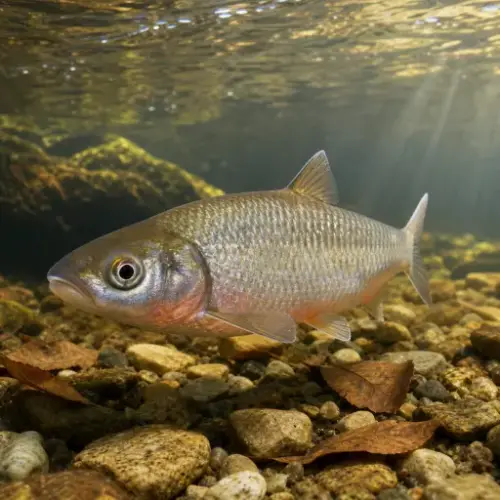
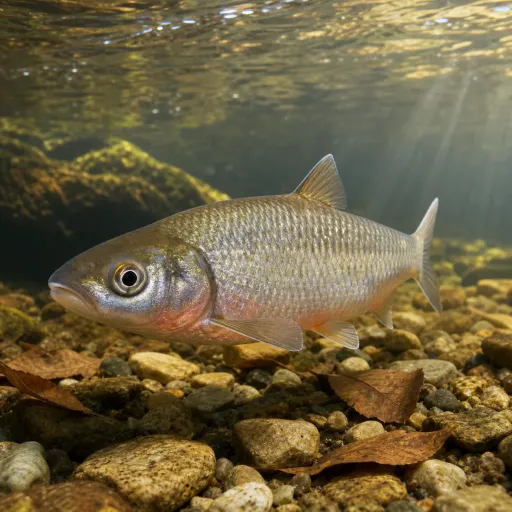
—observations
—countries
—peak records
Least ConcernConservation statusIUCN Red List categoriesLCNTVUENCREWEXLeast ConcernRed List categories, explained →
Diet & prey
- Mayfly Nymphs
- Caddisfly Larvae
- Terrestrial Insects
Predators
- Smallmouth Bass
- Northern Pike
- Great Blue Heron
ThreatsSiltation, damming, agricultural runoff, and water pollution
HabitatsClear, cool streams and small rivers with gravelly or rocky substrates
Life span4–6 years
Size / weightNot available
Classification
- OrderCypriniformes
- FamilyCyprinidae
- GenusLuxilus
- SpeciesLuxilus cornutus
Range data is not available yet.
Interaction riskLow
- Low
- Moderate
- High
- Very high
- Why interaction risk is low
- Safe to observe at a normal distance.
Responsible observation
- Observation: Look into clear gravelly riffles and pools of small streams during late spring.
- Polarized Lenses: Wear polarized sunglasses to spot schools darting near the riverbed.
- Handling: Use wet hands if briefly catching for study to protect their delicate slime coat.
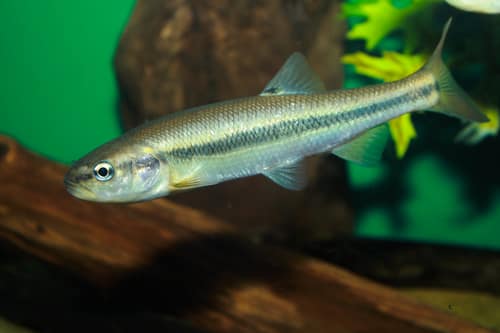
Nest Host "Creek Chub, Semotilus atromaculatus" by brian.gratwicke is licensed under CC BY 2.0. To view a copy of this license, visit https://creativecommons.org/licenses/by/2.0/. · cc-by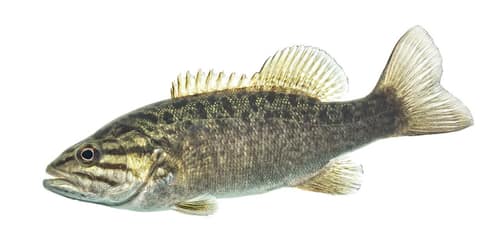
Predator USFWS Mountain Prairie / Public domain · cc0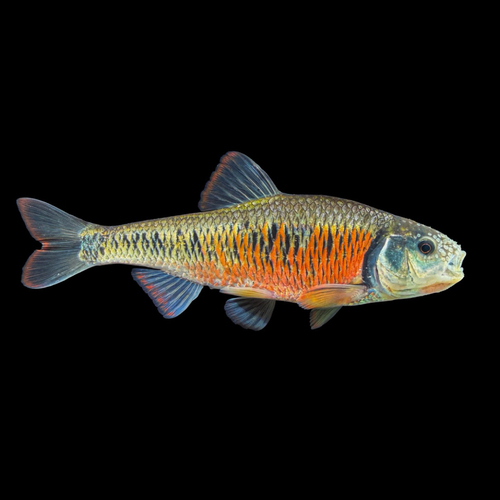
Close Relative (c) Steven Wang, some rights reserved (CC BY), uploaded by Steven Wang · cc-by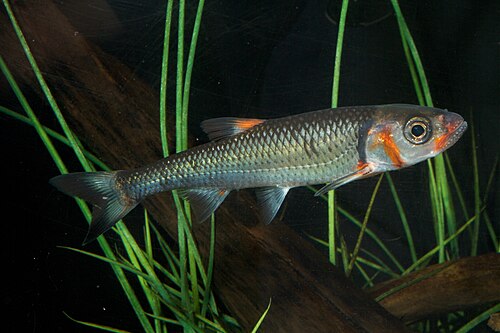
Close Relative Brian Gratwicke / CC BY 2.0 · cc-by
Keep collecting in Fauna
Found in Collections
Ecosystem chain
Wetland Territory
Common Shiner is found in this collection. Identify it in Fauna to fill this slot and continue your progress.
—/12
Help improve the field guideSomething wrong?
Checking your Fauna account…Report a name, category, or profile issue for review.