
Species · GBIF taxon 2360913
Peamouth
Mylocheilus caurinusAlso known as Peamouth Chub, Redmouth Sucker, Northwestern Dace
Peamouth form dense schools in sluggish rivers, lakes, and brackish estuaries across western North America. During late spring, mature adults migrate into shallow gravel-bottom streams or lake shorelines to spawn, developing distinct reddish markings around their mouths and gill covers. Unique among native cyprinids in the Pacific Northwest, this adaptable fish easily tolerates moderate salinity, enabling it to forage in coastal bays and river mouths.
FreshwaterSchoolingNative
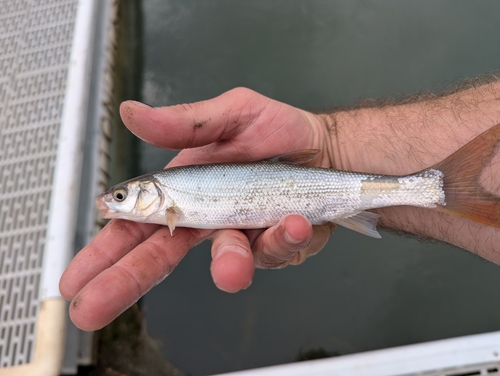
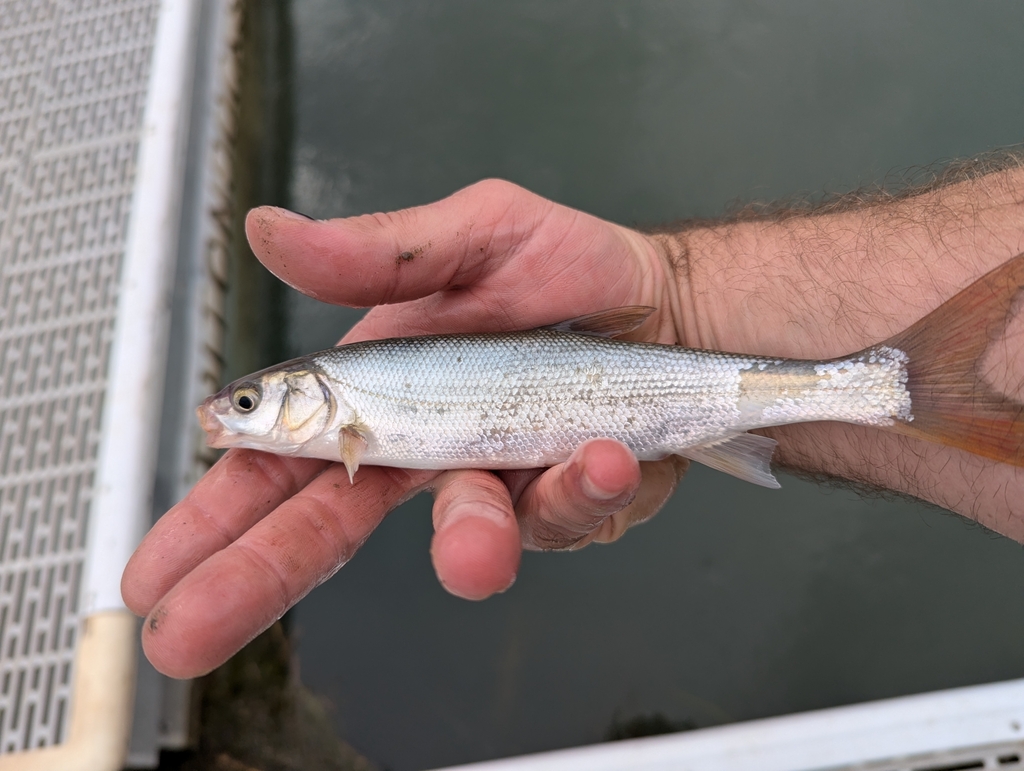
—observations
—countries
—peak records
Least ConcernConservation statusIUCN Red List categoriesLCNTVUENCREWEXLeast ConcernRed List categories, explained →
Diet & prey
- Aquatic Insects
- Snails
- Small Fish
Predators
- Osprey
- River Otter
- Largemouth Bass
ThreatsHabitat degradation, dams, and invasive aquatic predators
HabitatsLakes, slow-moving rivers, and brackish estuaries
Life span10–15 years
Classification
- FamilyCyprinidae
- SpeciesMylocheilus caurinus
Range data is not available yet.
Interaction riskLow
- Low
- Moderate
- High
- Very high
- Why interaction risk is low
- Safe to observe at a normal distance.
Responsible observation
- Spring Spawning: Look for large, active aggregations in shallow stream gravel during May and June.
- Quiet Observation: Watch from riverbanks without stepping into gravel beds where eggs are laid.
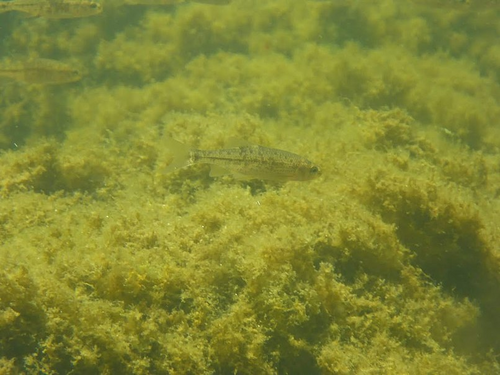
Regional Co-occurrence PonderosaPine0 / CC BY-SA 4.0 · cc-by-sa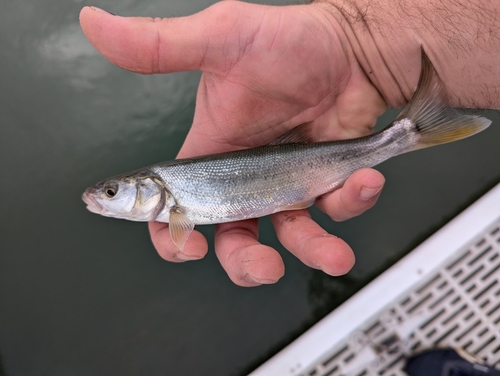
Close Relative (c) Victor Hooper, some rights reserved (CC BY) · cc-by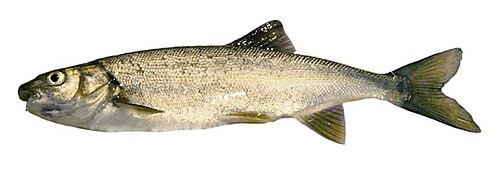
Close Relative PSMFC, SMP / Public domain · cc0
Help improve the field guideSomething wrong?
Checking your Fauna account…Report a name, category, or profile issue for review.