
Species · GBIF taxon 2359034
Largescale Sucker
Catostomus macrocheilusAlso known as Columbia Sucker, Columbia River Sucker
Largescale suckers cruise the gravel beds of Pacific Northwest river systems, using their fleshy, downward-facing lips to vacuum up benthic invertebrates and algae. During spring spawning runs, adults migrate upstream into fast-flowing tributaries to deposit adhesive eggs over clear cobble. They play a pivotal role in freshwater food webs by processing riverbed detritus and providing forage for apex predators like sturgeon and eagles.
FreshwaterBottom FeederNative Fish
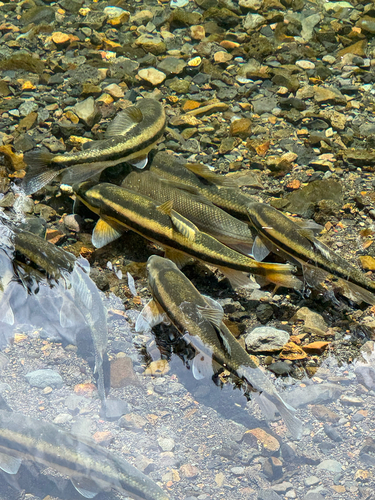
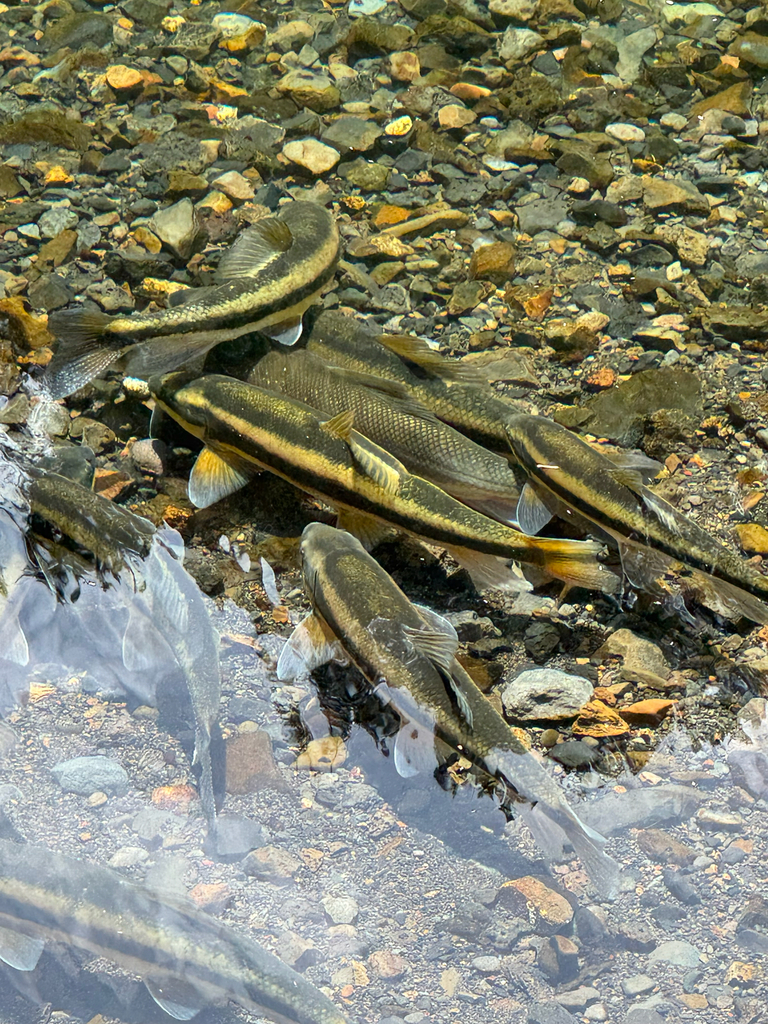
—observations
—countries
—peak records
Least ConcernConservation statusIUCN Red List categoriesLCNTVUENCREWEXLeast ConcernRed List categories, explained →
Diet & prey
- Aquatic Insect Larvae
- Freshwater Snails
- Algae
Predators
- River Otter
- White Sturgeon
- Osprey
ThreatsDams, habitat degradation, water temperature changes, and non-native predators
HabitatsLakes, reservoirs, rivers, and slow-moving streams
Life span15–20 years
Classification
- FamilyCatostomidae
- SpeciesCatostomus macrocheilus
Range data is not available yet.
Interaction riskLow
- Low
- Moderate
- High
- Very high
- Why interaction risk is low
- Safe to observe at a normal distance.
Responsible observation
- Polarized Glasses: Wear polarized sunglasses when viewing shallow river margins to spot feeding adults.
- Spawning Seasons: Look for migrating groups in clean tributary streams during spring warming spring weather.
- Low Disturbance: Stand quietly along banks or docks to avoid casting shadows that spook bottom-feeders.
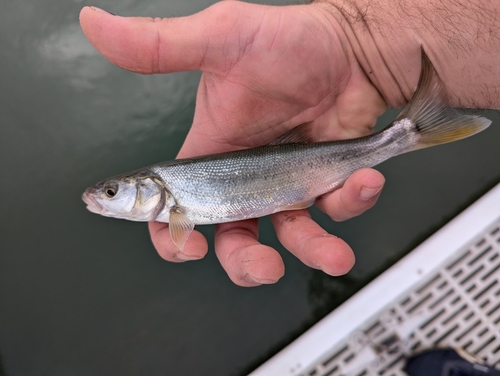
Competitor (c) Victor Hooper, some rights reserved (CC BY) · cc-by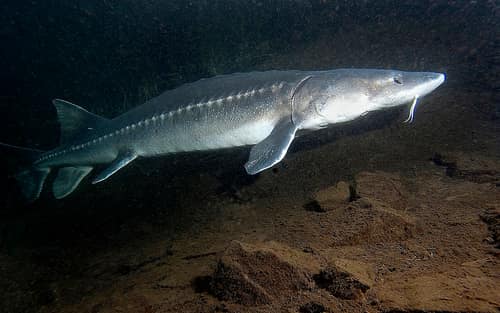
Predator Oregon Department of Fish & Wildlife / CC BY-SA 2.0 · cc-by-sa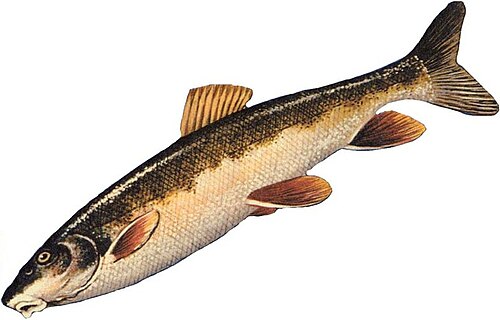
Close Relative Wikimedia Commons / Public domain · cc0 Image unavailable
Close Relative
Help improve the field guideSomething wrong?
Checking your Fauna account…Report a name, category, or profile issue for review.