
Fish
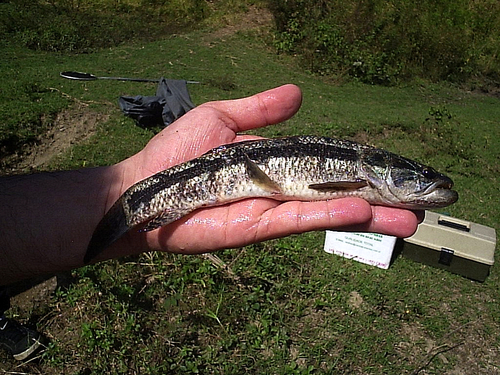
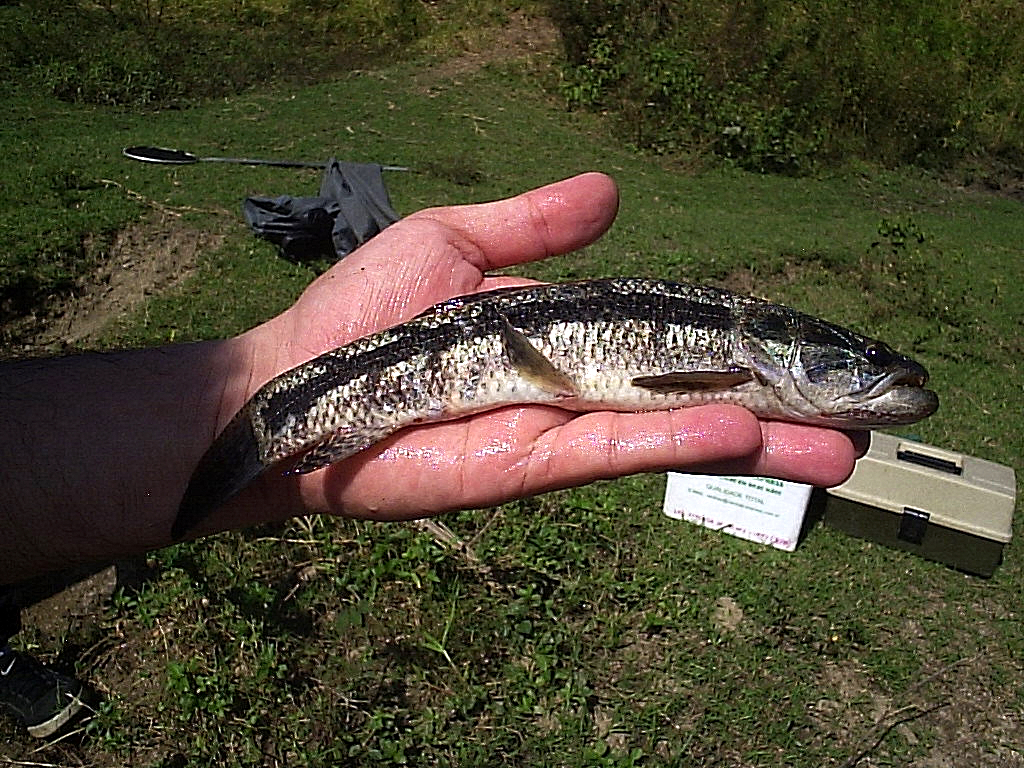
Common Wolffish
Hoplias malabaricusAlso known as Trahira, Guabine, Tiger Fish
Common wolffish are stocky ambush predators native to slow-moving rivers, marshes, and floodplains across Central and South America. Camouflaged in mottled browns and olives, they lie motionless among submerged roots and vegetation before lunging at passing prey with jaws lined with sharp canine teeth. A vascularized swim bladder lets them gulp air in oxygen-poor water, and males guard shallow nests of eggs until the fry hatch.
NocturnalAmbush PredatorFreshwater
—observations
—countries
—peak records
Least ConcernConservation statusIUCN Red List categoriesLCNTVUENCREWEXLeast ConcernRed List categories, explained →
Diet & preySmall Fishes, Frogs, Freshwater Shrimp
Predators
- Spectacled Caimans
- Giant Otters
- Large Herons
ThreatsHabitat degradation, wetland drainage, and localized fishing pressure
HabitatsSlow-moving rivers, floodplains, marshes, and vegetated lakes across Central and South America
Life span8 to 15 years in the wild
Classification
- OrderCharaciformes
- FamilyErythrinidae
- GenusHoplias
- SpeciesHoplias malabaricus
Range data is not available yet.
Interaction riskLow
- Low
- Moderate
- High
- Very high
- Why interaction risk is low
- Sharp canine teeth can inflict painful bites if handled; keep hands clear of the mouth.
- Why it is dangerous
- Long, needle-sharp canine teeth and powerful jaws can cause deep lacerations when the fish thrashes or snaps defensively.
- How to recognize a risky encounter
- Recognize it by its cylindrical, mottled brown-to-olive body, rounded tail fin, and broad head with visible fang-like teeth.
- What to do
- Observe from the bank or water's edge without touching; anglers should use long pliers to unhook a catch rather than fingers.
Responsible observation
- Where to Look: Scan shallow, weed-choked backwaters and submerged roots at dusk or night.
- Handling Safety: Never place fingers near the jaws if catching and releasing; use a sturdy net and long pliers.
- Stealthy Approach: Move quietly along muddy banks, as sudden vibrations send resting fish darting into cover.
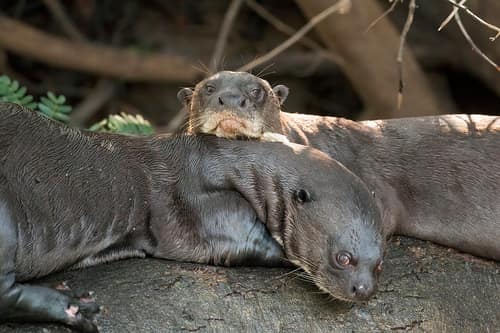
Predator Charles J. Sharp / CC BY-SA 4.0 · cc-by-sa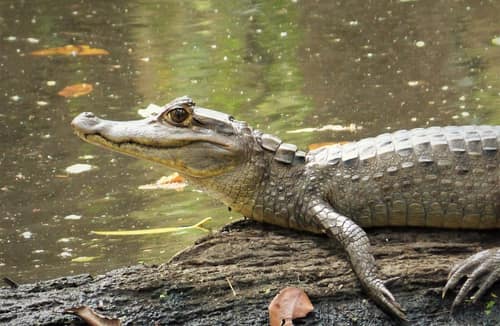
Predator (c) gailhampshire, some rights reserved (CC BY) · cc-by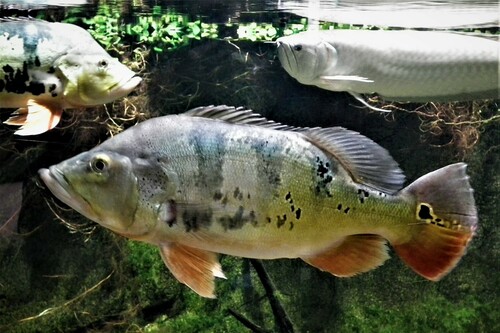
Competitor (c) MOs810, some rights reserved (CC BY-SA) · cc-by-sa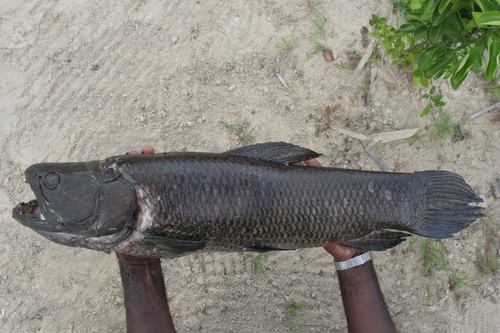
Close Relative (c) K. Zyskowski & Y. Bereshpolova, some rights reserved (CC BY), uploaded by K. Zyskowski & Y. Bereshpolova · cc-by Image unavailable
Same Family
Help improve the field guideSomething wrong?
Checking your Fauna account…Report a name, category, or profile issue for review.