
Species
Florida Gar
Lepisosteus platyrhincusAlso known as Florida Spotted Gar
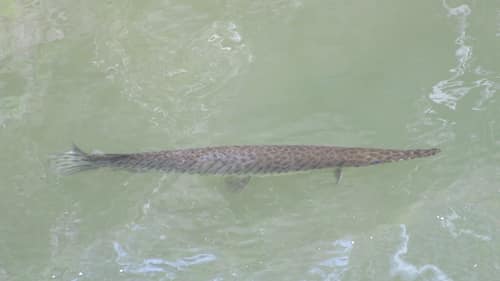
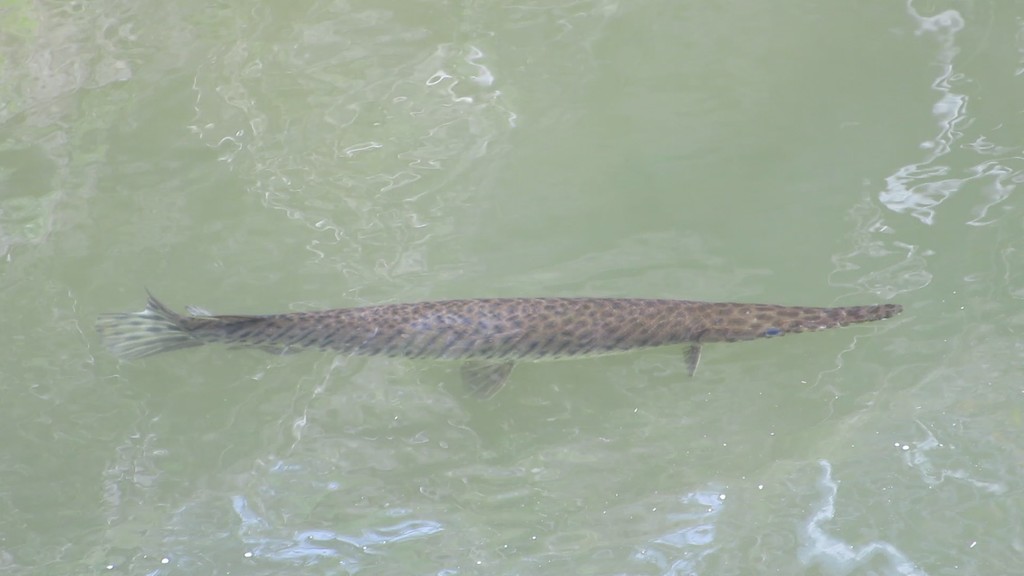
Florida gar are ancient freshwater predators with long, beak-like snouts filled with sharp teeth and armor-like ganoid scales covering their bodies. They drift near the surface of slow-moving rivers, swamps, and canals, ambushing small fish and crustaceans with a quick sideways snap of their jaws. Thanks to a specialized vascularized swim bladder, these primitive fish gulp atmospheric air, enabling them to thrive in warm, low-oxygen waters where other species struggle.
PredatoryFreshwaterPrehistoric
—observations
—countries
—peak records
Least ConcernConservation statusIUCN Red List categoriesLCNTVUENCREWEXLeast ConcernRed List categories, explained →
Diet & preySmall Fish, Crayfish, Grass Shrimp
Predators
- American Alligator
- Large Wading Birds
- River Otters
ThreatsHabitat loss, water pollution, wetland drainage
HabitatsSwamps, sluggish rivers, lakes, streams, and drainage canals
Life span10–20 years
Classification
- FamilyLepisosteidae
- SpeciesLepisosteus platyrhincus
Range data is not available yet.
Interaction riskHigh
- Low
- Moderate
- High
- Very high
- Why interaction risk is high
- Roe is highly toxic if eaten, and sharp teeth cause severe cuts; handle with extreme care.
- Why it is dangerous
- The eggs contain protein toxins that cause severe nausea, vomiting, and diarrhea if ingested, while the jaws are lined with razor-sharp teeth.
- How to recognize a risky encounter
- Look for an elongated, torpedo-shaped body covered in hard diamond scales with distinct dark spots on the head, snout, and fins.
- What to do
- Never consume gar roe, and use needle-nose pliers while keeping hands clear of the jaws when releasing caught fish.
Responsible observation
- Surface Observation: Watch calm, shallow waters on warm days where gar frequently bask near the surface.
- Angling Safety: Use a landing net and thick gloves or long-handled tools when unhooking to avoid sharp teeth.
- Bathing Air Cues: Look for sudden surface breaks and bubbles as gar surface to swallow air in low-oxygen water.
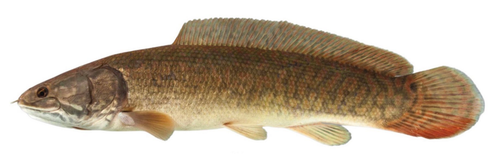
Frequent Companion Zachary Randall / CC BY 3.0 · cc-by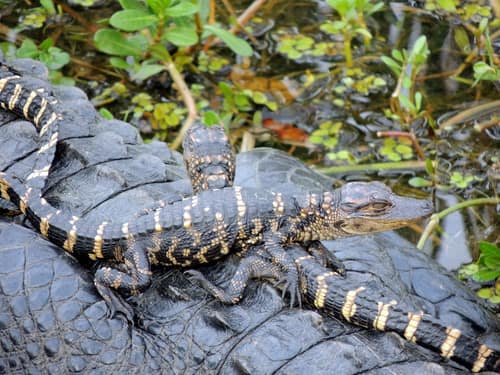
Predator no rights reserved, uploaded by Vijay Barve · cc0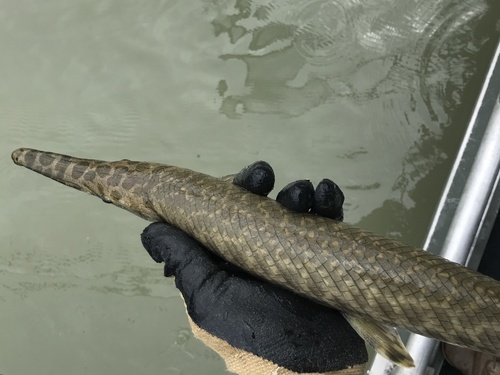
Close Relative no rights reserved, uploaded by Nick Loveland · cc0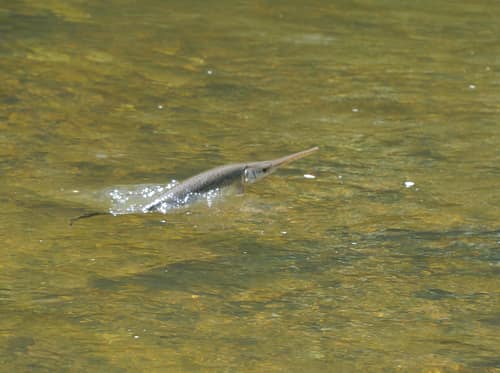
Close Relative (c) Matt Muir, some rights reserved (CC BY) · cc-by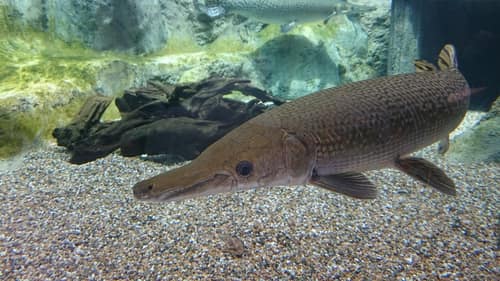
Close Relative (c) ProjectManhattan, some rights reserved (CC BY-SA) · cc-by-sa
Help improve the field guideSomething wrong?
Checking your Fauna account…Report a name, category, or profile issue for review.