
Species
Mokèlé-mbèmbé Bichir
Polypterus mokelembembeAlso known as Mokele-mbembe Bichir
Mokèlé-mbèmbé bichirs glide along riverbeds with serpentine grace, utilizing a specialized primitive lung that lets them gulp atmospheric air directly from the surface when oxygen dips in warm, stagnant waters. These nocturnal predators rely on keen chemosensory cues and tactile barbels to hunt small prey in tangled roots and river detritus under cover of darkness. Armored in heavy, interlocking ganoid scales, they belong to an ancient lineage that has survived largely unchanged since the Mesozoic era.
NocturnalAncient LineageFreshwater
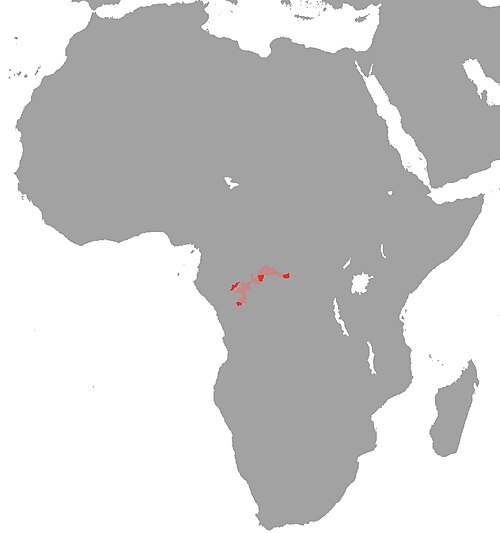
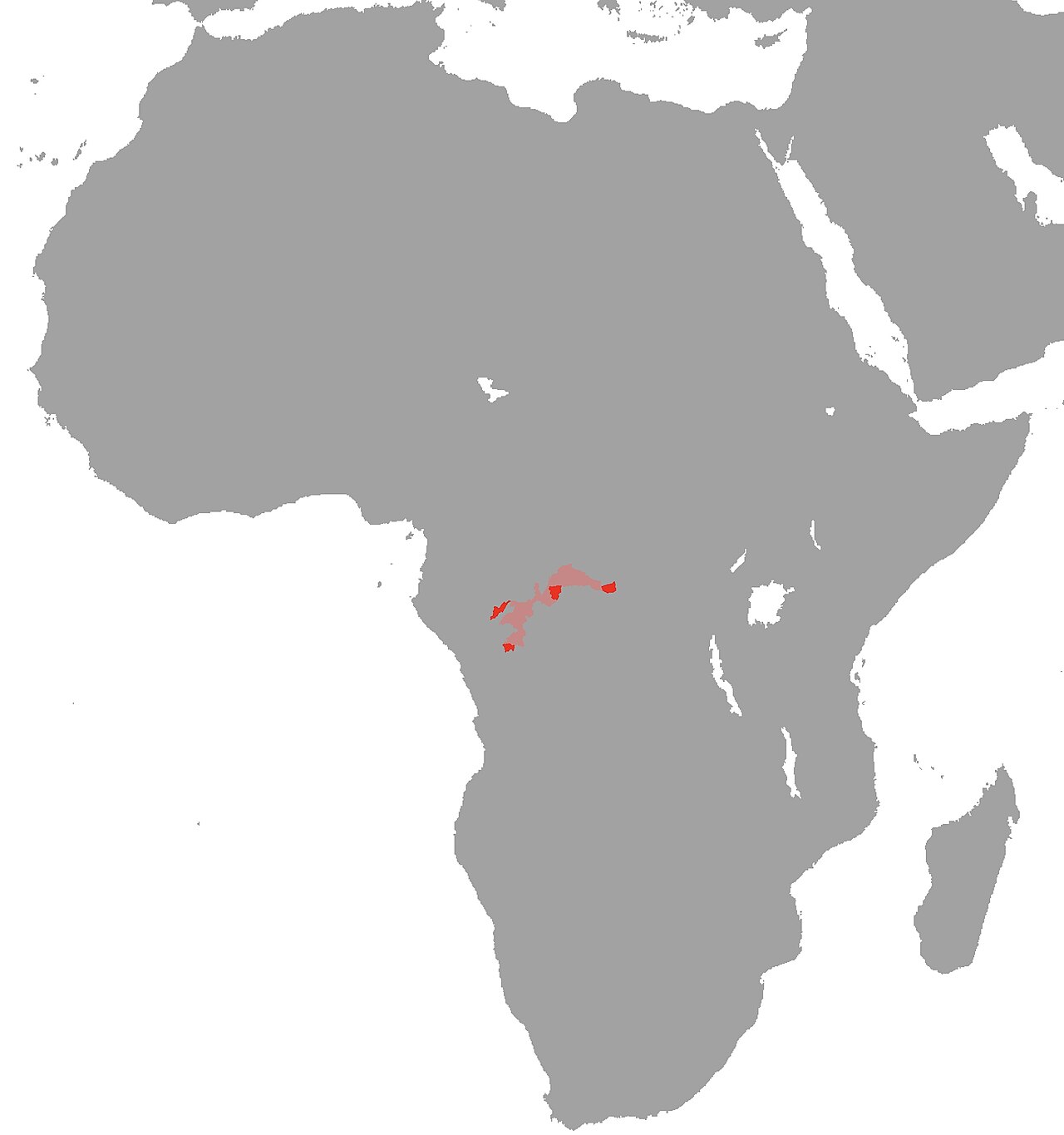
—observations
—countries
—peak records
Least ConcernConservation statusIUCN Red List categoriesLCNTVUENCREWEXLeast ConcernRed List categories, explained →
Diet & preyAquatic Insects, Small Fish, Freshwater Crustaceans
Predators
- African Tigerfish
- Nile Crocodile
- Giant Water Bug
ThreatsHabitat alteration, deforestation runoff, and unregulated aquarium collection
HabitatsSlow-moving rivers, swamps, and flooded forest pools of the Congo basin
Life span10–15 years
Classification
- FamilyPolypteridae
- SpeciesPolypterus mokelembembe
Range data is not available yet.
Interaction riskLow
- Low
- Moderate
- High
- Very high
- Why interaction risk is low
- Safe to observe at a normal distance.
Responsible observation
- Observation Timing: Watch quiet, vegetated backwaters at dusk when individuals begin foraging.
- Surface Breathing: Look for sudden, rapid dashes to the water's surface to inhale atmospheric air.
- Aquarium Care: Ensure tight-fitting tank lids, as they readily leap through narrow gaps.
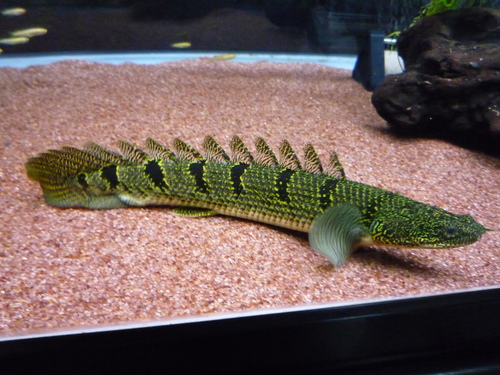
Close Relative (c) ばぶじ~, some rights reserved (CC BY-SA) · cc-by-sa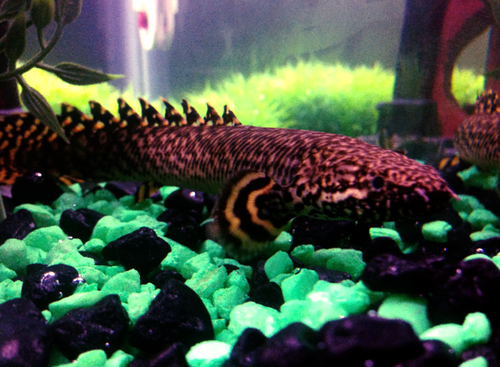
Close Relative (c) Logan McGuire-Warden,保留部分权利(CC BY) · cc-by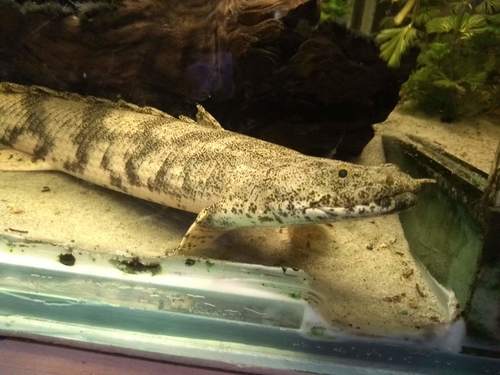
Close Relative (c) Rafael Rosa, some rights reserved (CC BY-SA), uploaded by Rafael Rosa · cc-by-sa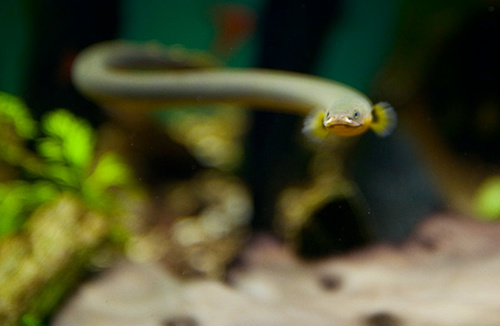
Same Family (c) Michał Zalewski, some rights reserved (CC BY-SA) · cc-by-sa
Help improve the field guideSomething wrong?
Checking your Fauna account…Report a name, category, or profile issue for review.