
Fish · GBIF taxon 2344483
Featherfin Squeaker
Synodontis eupterusAlso known as Featherfin Synodontis
Featherfin squeakers cruise muddy riverbeds under cover of darkness, grazing on algae, detritus, and insect larvae with fleshy, sensitive barbels. When agitated or disputing territory, they stridulate their pectoral spine joints against the shoulder girdle to produce audible squeaks and croaks. As juveniles mature, their dorsal fin rays extend into dramatic, feather-like filaments that wave gracefully in gentle currents.
FreshwaterNocturnalBottom Dweller
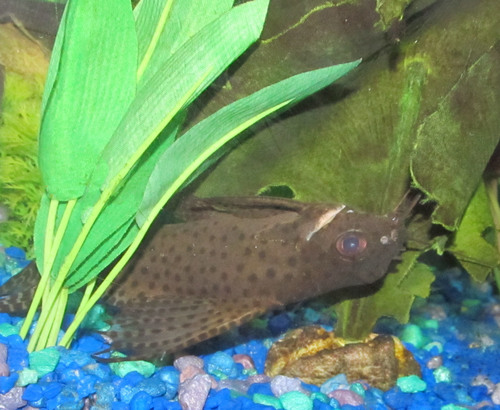
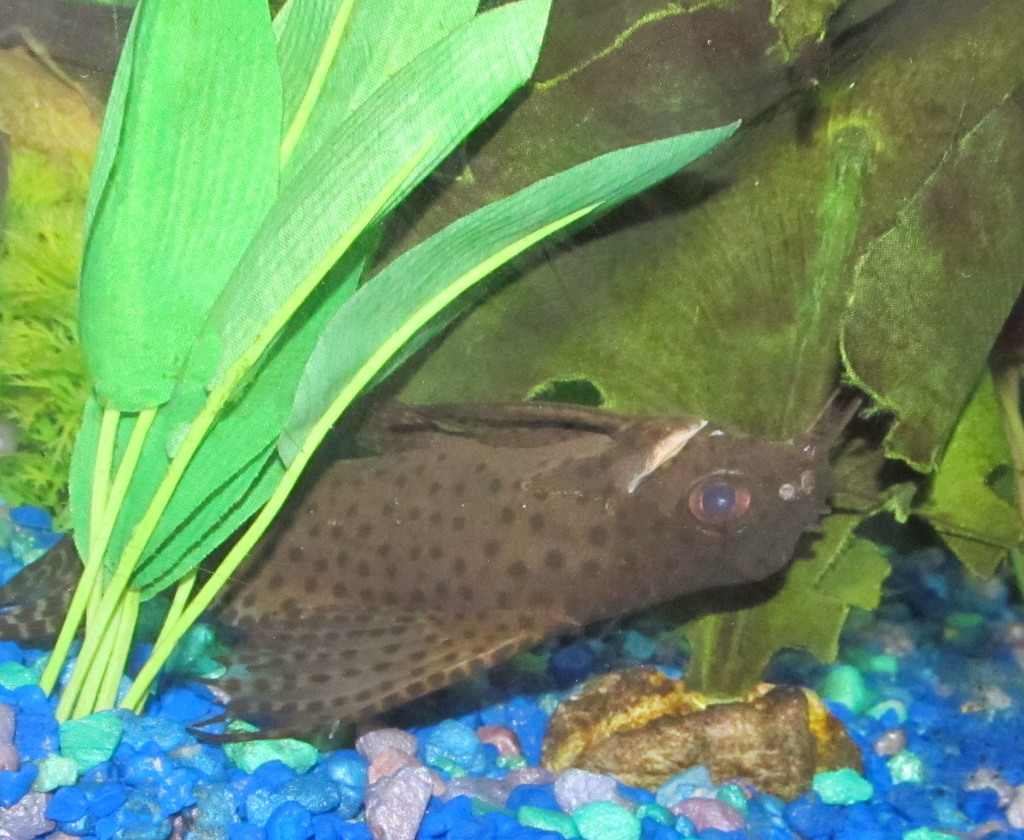
Licensed reference(c) Gourami Watcher, some rights reserved (CC BY-SA) · cc-by-sa
—observations
—countries
—peak records
Least ConcernConservation statusIUCN Red List categoriesLCNTVUENCREWEXLeast ConcernRed List categories, explained →
Diet & prey
- Chironomid Midge Larvae
- Freshwater Snails
- Filamentous Algae
Predators
- Nile Perch
- Nile Crocodile
- African Fish Eagle
ThreatsHabitat alteration, dam construction, agricultural runoff
HabitatsSlow-moving rivers, muddy riverbeds, floodplains, rocky pools
Life span15–25 years
Classification
- OrderSiluriformes
- FamilyMochokidae
- GenusSynodontis
- SpeciesSynodontis eupterus
Range data is not available yet.
Interaction riskLow
- Low
- Moderate
- High
- Very high
- Why interaction risk is low
- Sharp pectoral and dorsal spines lock rigidly and can puncture skin; avoid bare-handed handling.
- Why it is dangerous
- Locking serrated pectoral and dorsal spines can puncture hands deeply, creating painful wounds prone to secondary infection.
- How to recognize a risky encounter
- Look for an elongated dorsal fin with high filamentous rays and a mottled brown-and-grey body covered in dark spots.
- What to do
- Never pick up bare-handed or trap against surfaces; guide into a solid container to lift safely out of water.
Responsible observation
- Handling Precaution: Use solid plastic containers instead of mesh nets, which easily catch and tear the locking spines.
- Substrate Selection: Keep on rounded gravel or soft sand to prevent damage to delicate sensory barbels.
- Night Observation: View under dim red light after sunset to catch peak foraging and social behavior.
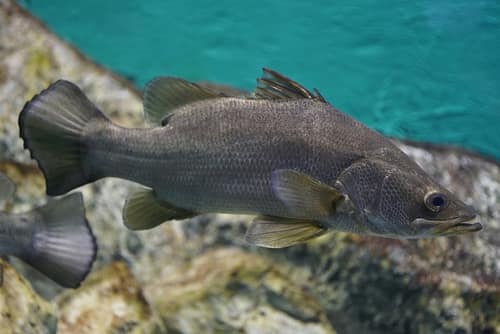
Predator (c) Daiju Azuma, some rights reserved (CC BY-SA) · cc-by-sa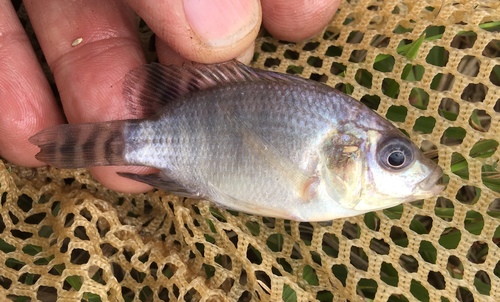
Competitor no rights reserved · cc0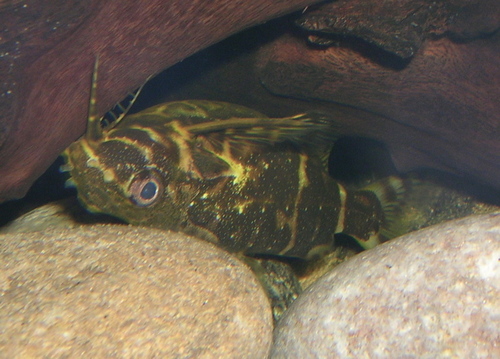
Close Relative (c) en:User:Neale Monks, some rights reserved (CC BY-SA) · cc-by-sa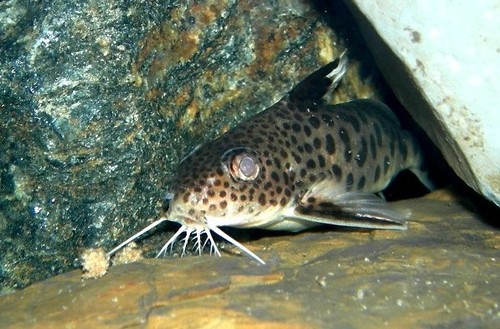
Close Relative (c) Lee Nachtigal, some rights reserved (CC BY) · cc-by
Help improve the field guideSomething wrong?
Checking your Fauna account…Report a name, category, or profile issue for review.