
Species · GBIF taxon 2341077
Flathead Catfish
Pylodictis olivarisAlso known as Shovelhead Catfish, Mudcat, Yellow Cat, Mississippi Catfish
Flathead catfish are massive solitary predators that anchor themselves in deep, shaded river pools and logjams during the day. As night falls, they move into shallow riffles to ambush live fish using their extremely broad mouth and keen senses. Males dig excavated nests under banks or submerged logs, fiercely guarding the eggs and young fry from intruders.
FreshwaterPredatoryNocturnal
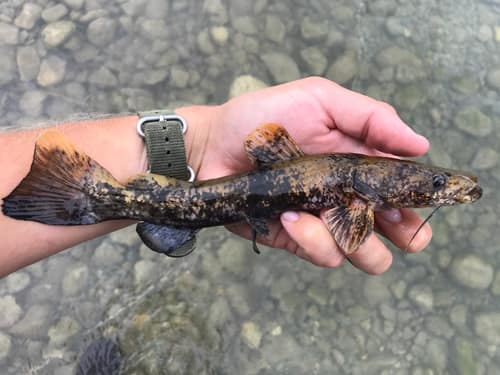
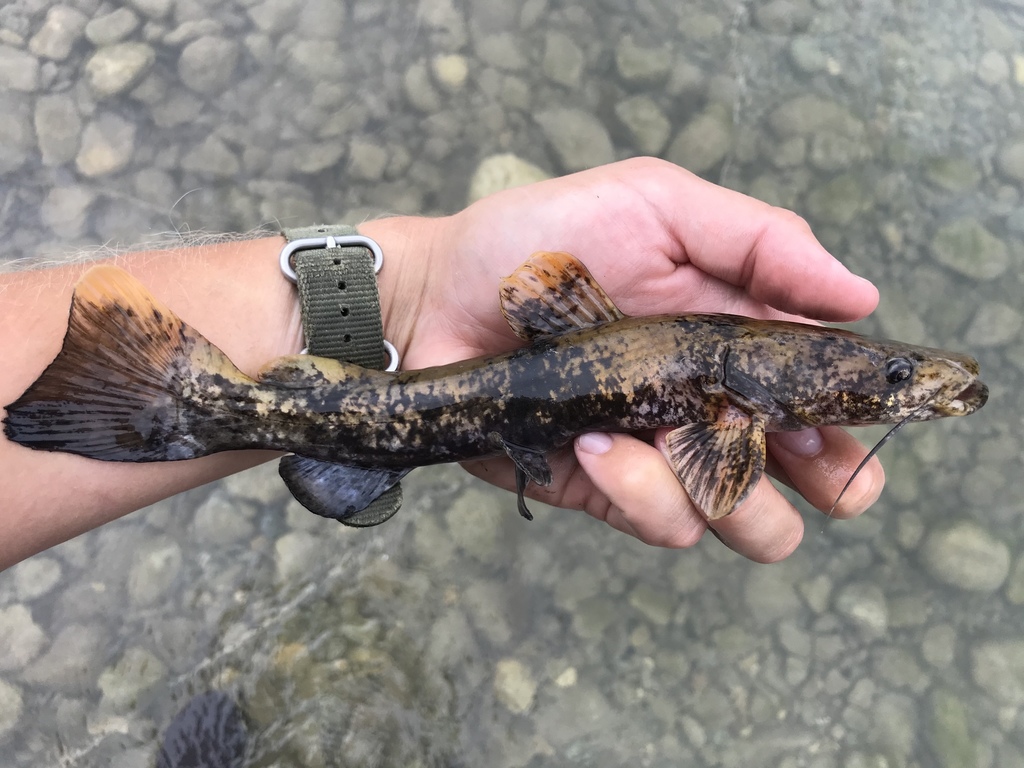
—observations
—countries
—peak records
Least ConcernConservation statusIUCN Red List categoriesLCNTVUENCREWEXLeast ConcernRed List categories, explained →
Diet & prey
- Sunfish
- Gizzard Shad
- Crayfish
Predators
- Humans
- Large Birds of Prey
- Larger Fish
ThreatsHabitat degradation, overfishing in localized waters
HabitatsDeep river pools, reservoirs, slow-moving murky waters
Life span15–28 years
Classification
- OrderSiluriformes
- FamilyIctaluridae
- GenusPylodictis
- SpeciesPylodictis olivaris
Range data is not available yet.
Interaction riskLow
- Low
- Moderate
- High
- Very high
- Why interaction risk is low
- Sharp pectoral spines can cause puncture wounds; handle carefully behind the head.
- Why it is dangerous
- Sharp dorsal and pectoral spines can inflict deep puncture wounds, and large adults possess powerful crushing jaws.
- How to recognize a risky encounter
- Recognized by a broad flattened head, protruding lower jaw, square tail, and mottled yellow-brown skin.
- What to do
- Grasp smaller fish firmly behind the head and pectoral spines; support large adults under the belly away from fins.
Responsible observation
- Angling Strategy: Target deep logjams and undercut banks during night hours using live bait.
- Handling Caution: Support the heavy body and avoid the sharp spines on dorsal and pectoral fins.
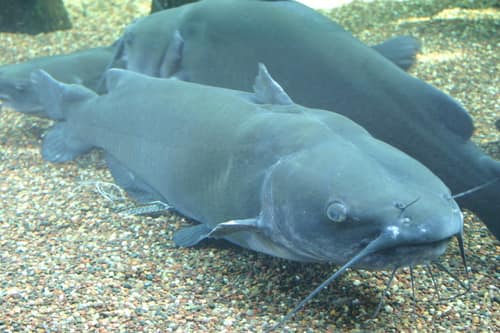
Competitor (c) Ryan Somma, some rights reserved (CC BY-SA) · cc-by-sa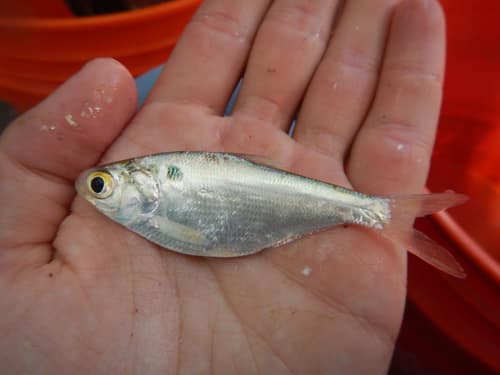
Prey (c) Fishes of Texas team, some rights reserved (CC BY-SA), uploaded by Fishes of Texas team · cc-by-sa Image unavailable
Close Relative 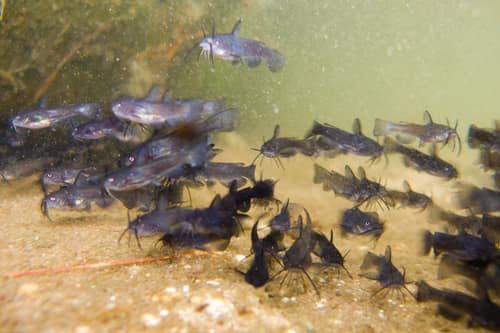
Close Relative (c) Ken-ichi Ueda, some rights reserved (CC BY) · cc-by
Help improve the field guideSomething wrong?
Checking your Fauna account…Report a name, category, or profile issue for review.