
Fish
Copper Rockfish
Sebastes caurinusAlso known as Copper Seaperch, Chucklehead, White Belly Rockfish
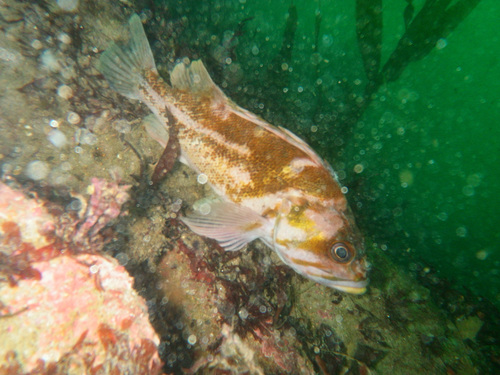
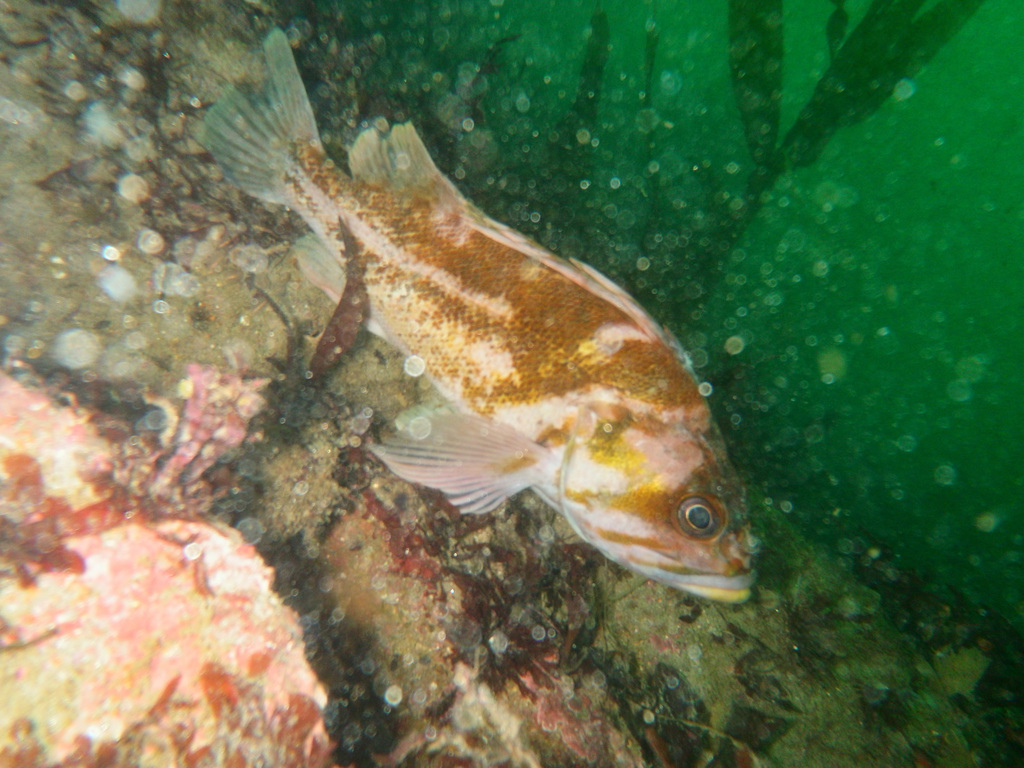
Copper rockfish are solitary, bottom-dwelling predators that inhabit rocky reefs and kelp forests along the eastern Pacific coastline. Easily recognized by their reddish-copper to olive coloration and a pale lateral line along the rear body, these fish maintain small home territories for years at a time. They spend much of their day perched motionless on rock ledges or tucked safely inside deep crevices waiting to ambush passing prey.
MarineReef DwellerSolitary
—observations
—countries
—peak records
Near ThreatenedConservation statusIUCN Red List categoriesLCNTVUENCREWEXNear ThreatenedRed List categories, explained →
Diet & preyCrabs, Shrimp, Small fish
Predators
- Lingcod
- Harbor seals
- Large rockfish
ThreatsOverfishing, habitat degradation, ocean acidification
HabitatsRocky reefs, kelp beds, artificial reefs, deep crevices
Life span35–55 years
Classification
- OrderScorpaeniformes
- FamilySebastidae
- GenusSebastes
- SpeciesSebastes caurinus
Range data is not available yet.
Interaction riskVery high
- Low
- Moderate
- High
- Very high
- Why interaction risk is very high
- Sharp dorsal spines contain mild venom that causes painful punctures; handle carefully with thick gloves or tools.
- Why it is dangerous
- Dorsal spines inject mild venom that causes sharp throbbing pain, localized swelling, and potential bacterial infection.
- How to recognize a risky encounter
- Look for a heavy-bodied copper to olive fish with a prominent pale stripe along the rear half of its lateral line.
- What to do
- If landed while fishing, secure the head with lip grippers and avoid contacting the rigid dorsal fin rays.
- What to notice
- Recognizable by its copper brown body, dark bands radiating from the eyes, and white underbelly.
- Support conservation
- Practice non-lethal catch and release practices using barotrauma mitigation gear when fishing in waters deeper than 20 meters.
Responsible observation
- Reef Spotting: Look for them resting on ledges or tucked inside crevices near kelp holdfasts.
- Diver Etiquette: Move slowly without sudden motions, as territorial adults will remain perched if undisturbed.
- Angler Care: Use a barotrauma descending device when releasing deep-caught fish to ensure survival.
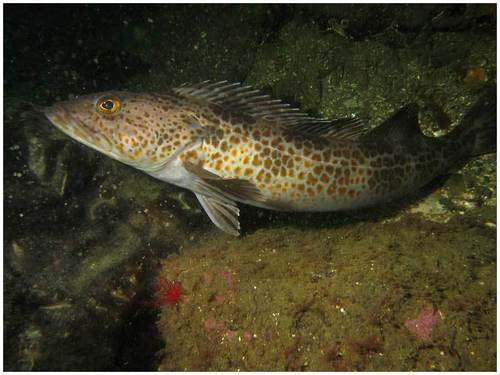
Predator (c) Dan Hershman, some rights reserved (CC BY) · cc-by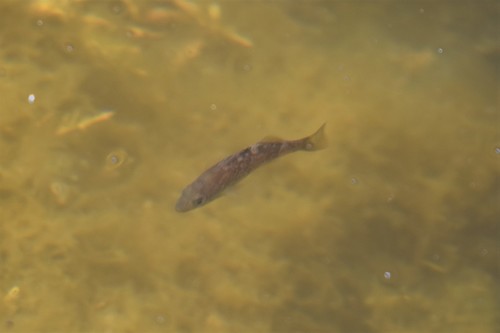
Frequent Companion no rights reserved · cc0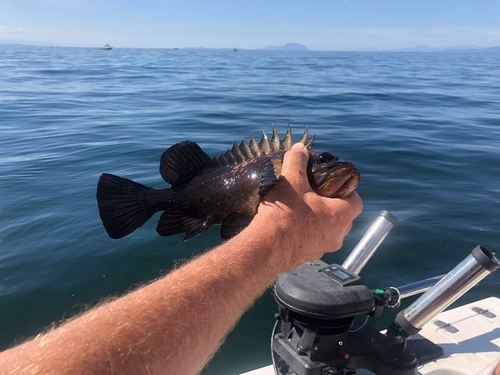
Close Relative (c) le0p0ld_d, some rights reserved (CC BY) · cc-by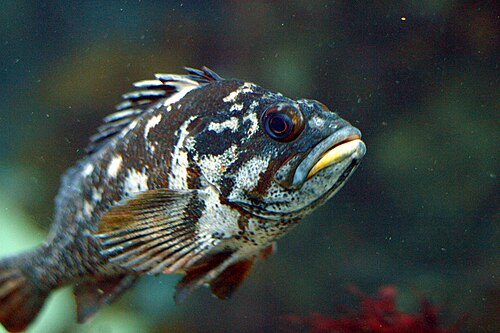
Close Relative No machine-readable author provided. Brighterorange assumed (based on copyright claims). / CC BY-SA 3.0 · cc-by-sa
Help improve the field guideSomething wrong?
Checking your Fauna account…Report a name, category, or profile issue for review.