
Species · GBIF taxon 2333818
Great Sculpin
Myoxocephalus polyacanthocephalusGreat sculpins lie motionless across cold subpolar seafloors, relying on complex, mottled brown-and-red camouflage to blend seamlessly into rocky substrates and kelp beds. These sit-and-wait ambush hunters lunge explosively to swallow crabs, shrimp, and bottom-dwelling fishes whole within their cavernous maws. During the subarctic winter spawning season, females deposit large masses of adhesive eggs onto secure rock crevices to develop in high-oxygen currents.
MarineCamouflagedPredator
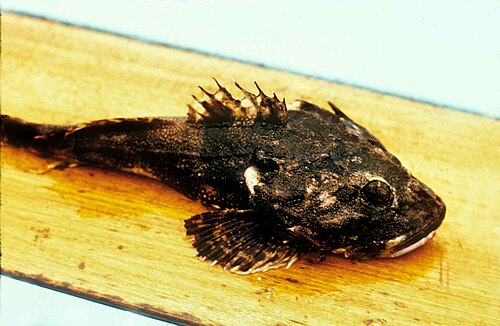
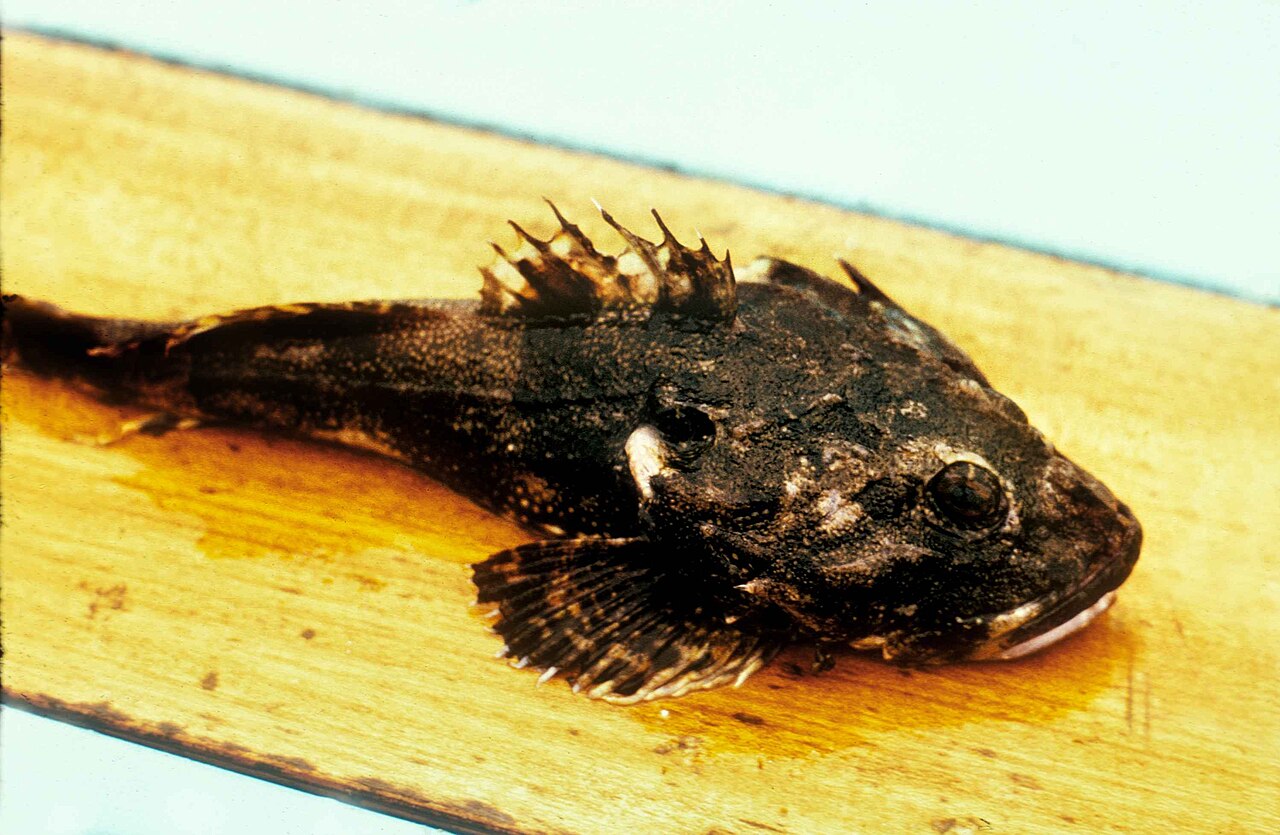
Licensed referenceMontgomery Don, U.S. Fish and Wildlife Service / Public domain · cc0
—observations
—countries
—peak records
Not EvaluatedConservation statusIUCN Red List categoriesLCNTVUENCREWEXNot Evaluated — not placed on the risk ladderRed List categories, explained →
Diet & prey
- Tanner Crab
- Walleye Pollock
- Pacific Sand Lance
Predators
- Pacific Halibut
- Steller Sea Lion
- Harbor Seal
ThreatsCommercial bottom-trawl bycatch and warming subarctic ocean temperatures
HabitatsRocky reefs, kelp forests, sand, and mud substrates from shallow intertidal zones down to 800 meters
Life span14–18 years
Size / weightNot available
Classification
- FamilyCottidae
- SpeciesMyoxocephalus polyacanthocephalus
Range data is not available yet.
Interaction riskLow
- Low
- Moderate
- High
- Very high
- Why interaction risk is low
- Safe to observe at a normal distance, though sharp head spines can puncture bare skin if handled.
Responsible observation
- Diving Etiquette: Approach slowly along the seafloor to observe its camouflage without startling it into swimming off.
- Angler Handling: Use thick gloves and grip behind the gill covers to avoid the rigid preopercular spines.
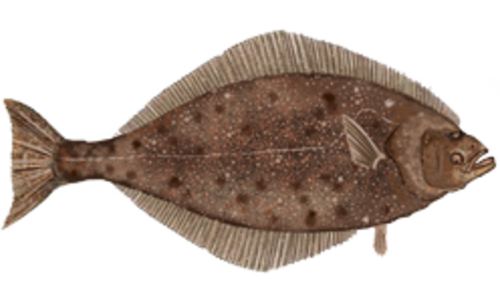
Predator Unknown authorUnknown author / Public domain · cc0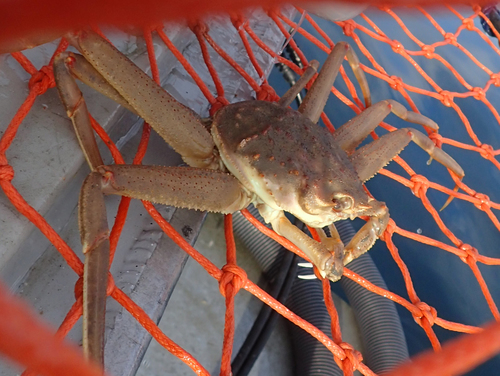
Prey (c) Connie Taylor, some rights reserved (CC BY), uploaded by Connie Taylor · cc-by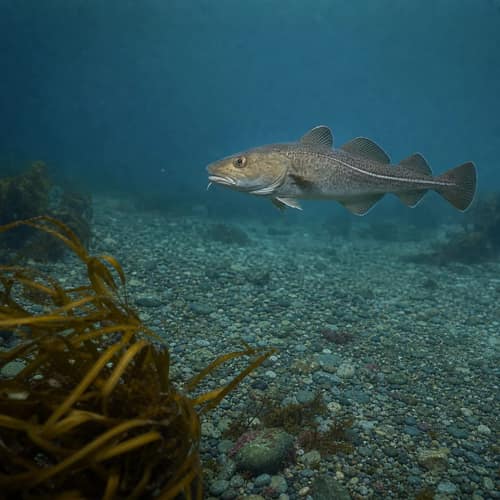
Competitor David Csepp NMFS / Public Domain (NOAA) · Public Domain (NOAA) Image unavailable
Close Relative
Help improve the field guideSomething wrong?
Checking your Fauna account…Report a name, category, or profile issue for review.