
Fish
Flying Gurnard
Dactylopterus volitansAlso known as Helmet Gurnard, Batfish, Cephalacanth
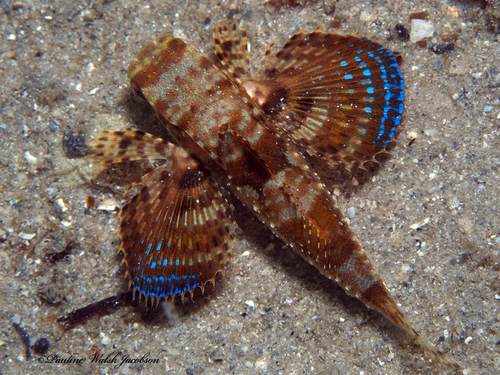
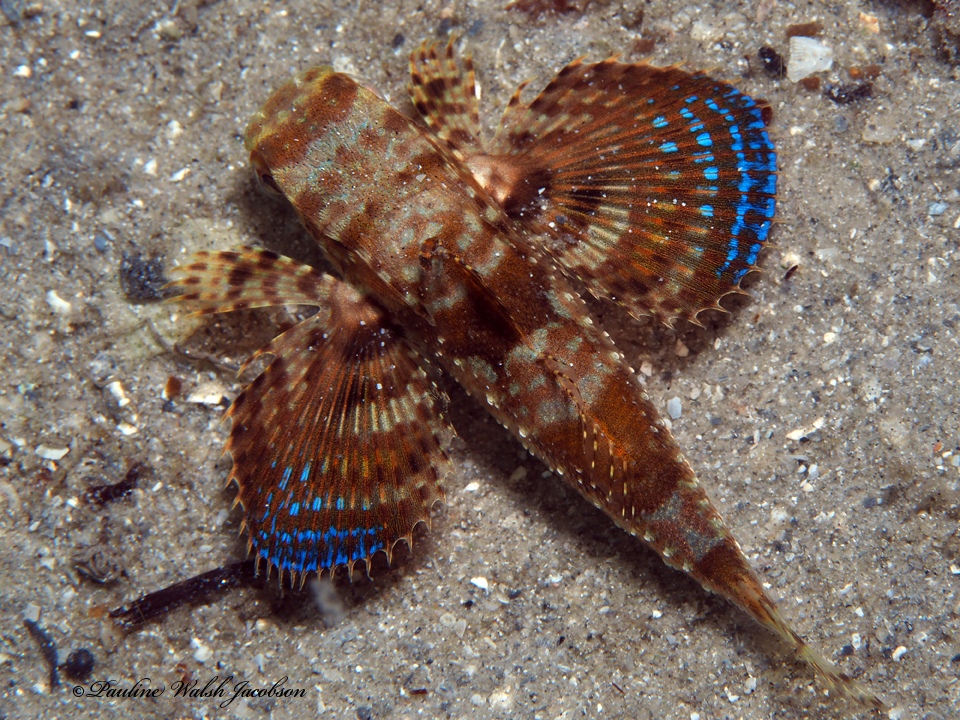
Flying gurnards patrol shallow coastal floors on modified pelvic fins that allow them to practically walk across sandy substrates in search of buried invertebrates. When startled or displaying to rivals, they unfurl enormous, semi-transparent pectoral fins bordered with iridescent electric-blue spots that mimic eyes and make them appear dramatically larger. Despite their common name, these heavy-bodied bottom-dwellers cannot take flight above the water surface, relying instead on heavy armored head plates and camouflage to deter predators.
MarineBottom-DwellerCamouflage
—observations
—countries
—peak records
Least ConcernConservation statusIUCN Red List categoriesLCNTVUENCREWEXLeast ConcernRed List categories, explained →
Diet & preyCrabs, Shrimp, Polychaete worms
Predators
- Sharks
- Groupers
- Large snappers
ThreatsTrawl bycatch, habitat degradation, and aquarium trade capture
HabitatsSandy bottoms, seagrass beds, and coral rubble
Life span3–6 years
Classification
- OrderScorpaeniformes
- FamilyDactylopteridae
- GenusDactylopterus
- SpeciesDactylopterus volitans
Range data is not available yet.
Interaction riskLow
- Low
- Moderate
- High
- Very high
- Why interaction risk is low
- Safe to observe at a normal distance.
Responsible observation
- Approach slowly: Hover steadily above the seabed without kicking up silt to avoid spooking resting individuals.
- Watch the display: Look for defensive posture when their giant blue-rimmed pectoral fins flare wide.
- Do not grasp: Sharp bony head armor and dorsal spines can cause painful punctures if handled.
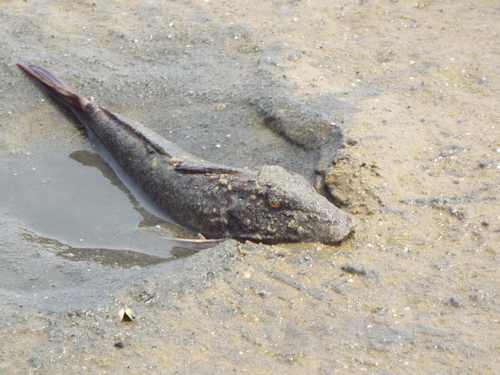
Ecological Counterpart (c) Jonathan Layman, some rights reserved (CC BY) · cc-by Image unavailable
Frequent Companion 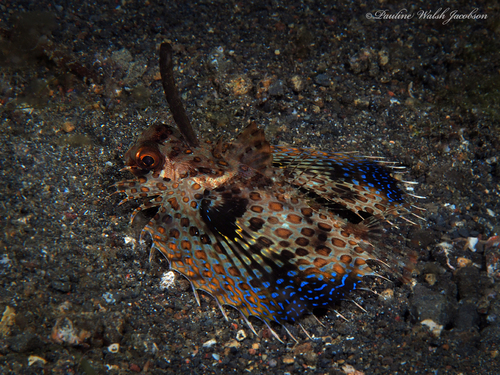
Close Relative (c) Pauline Walsh Jacobson, some rights reserved (CC BY) · cc-by
Help improve the field guideSomething wrong?
Checking your Fauna account…Report a name, category, or profile issue for review.