
Invertebrate
Bearded Fireworm
Hermodice carunculataAlso known as Fireworm, Mediterranean Fireworm, Carunculated Fireworm
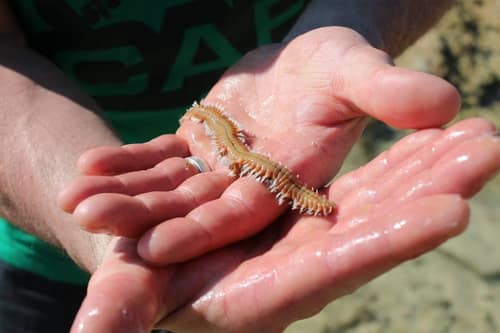
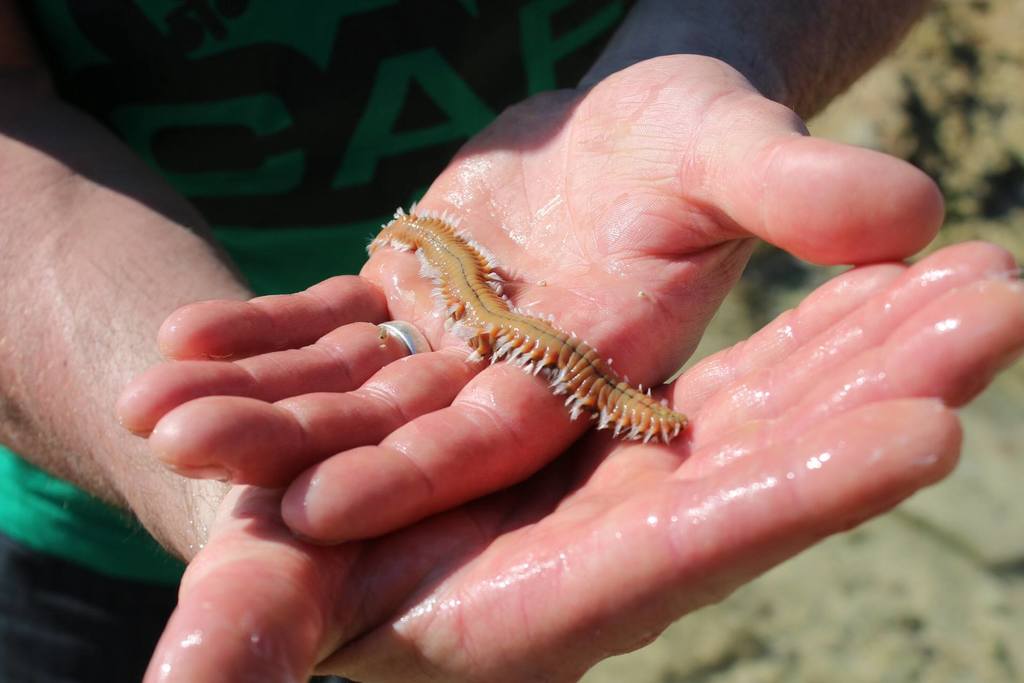
Bearded fireworms graze openly on coral reefs and rocky shallows, engulfing branch tips of gorgonians and stony corals to strip away living tissue. When disturbed or alarmed, they puff out thousands of brittle, hollow chaetae filled with neurotoxins that snap off at the slightest touch. In recent decades, warming Mediterranean waters have fueled significant population surges, turning them into prominent benthic predators outside their traditional tropical strongholds.
MarineCarnivorousVenomous
—observations
—countries
—peak records
Not EvaluatedConservation statusIUCN Red List categoriesLCNTVUENCREWEXNot Evaluated — not placed on the risk ladderRed List categories, explained →
Diet & preyStony corals, Sea fans, Sea anemones
Predators
- Cone snails
- Spiny lobsters
- Triggerfish
ThreatsMarine pollution, coastal habitat degradation, and localized eradication efforts
HabitatsCoral reefs, rocky reefs, seagrass beds, and shallow sublittoral zones
Life span2–5 years
Classification
- OrderAmphinomida
- FamilyAmphinomidae
- GenusHermodice
- SpeciesHermodice carunculata
Range data is not available yet.
Interaction riskVery high
- Low
- Moderate
- High
- Very high
- Why interaction risk is very high
- Brittle bristles detach into skin and inject toxins; never touch or handle with bare hands.
- Why it is dangerous
- Hollow calcium carbonate bristles penetrate skin and inject complanine, a toxin that causes severe burning pain, swelling, and localized numbness.
- How to recognize a risky encounter
- Recognizable by its segmented, caterpillar-like body bordered with bright red gills and fluffy white bristle clusters.
- What to do
- Maintain a hands-off distance while swimming, and never touch rocks or mooring lines without checking first.
Responsible observation
- Diving Etiquette: Maintain neutral buoyancy and keep hands off reef substrates where worms frequently rest.
- First Aid: Remove embedded bristles gently using adhesive tape rather than rubbing, which drives them deeper.
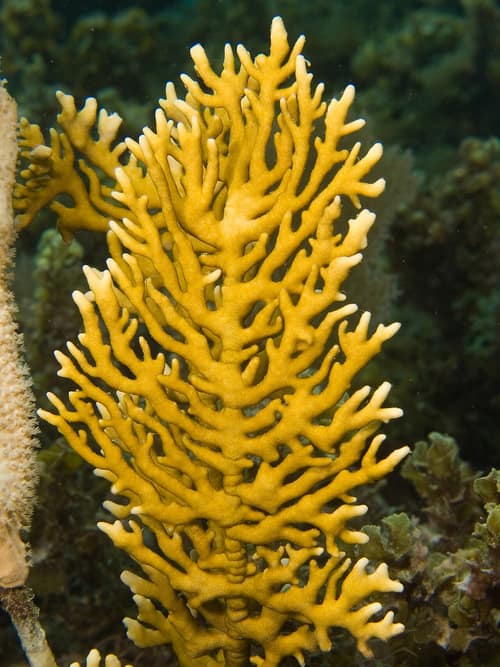
Prey Nhobgood Nick Hobgood / CC BY-SA 3.0 · cc-by-sa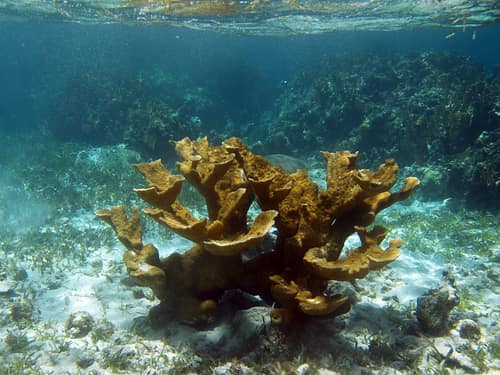
Prey Nhobgood Nick Hobgood / CC BY-SA 3.0 · cc-by-sa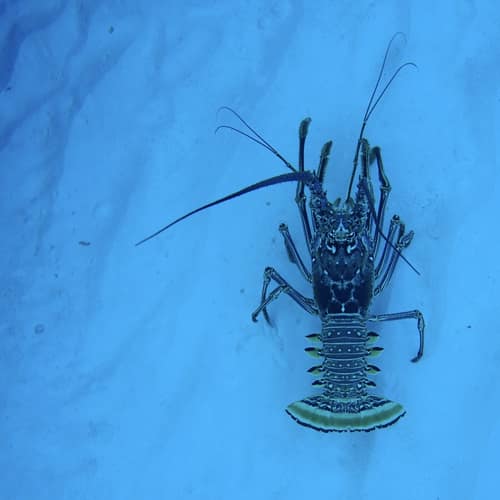
Predator (c) Michael Bommerer, some rights reserved (CC BY), uploaded by Michael Bommerer · cc-by
Help improve the field guideSomething wrong?
Checking your Fauna account…Report a name, category, or profile issue for review.