
Invertebrate
Estuary Ragworm
Hediste diversicolorAlso known as Ragworm, Harbour Ragworm
Estuary ragworms anchor coastal mudflat food webs by excavating complex, mucus-lined Y-shaped or U-shaped burrows that aerate thick sediments. They are remarkably adaptable feeders, using a mucus net to filter phytoplankton, browsing on surface detritus, or ambushing smaller invertebrates with their eversible proboscis. As spawning approaches, mature adults undergo a dramatic metamorphosis, turning vibrant green before releasing gametes directly into the water column.
BenthicIntertidalMarine
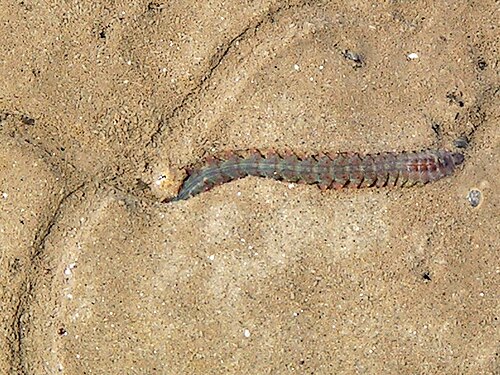
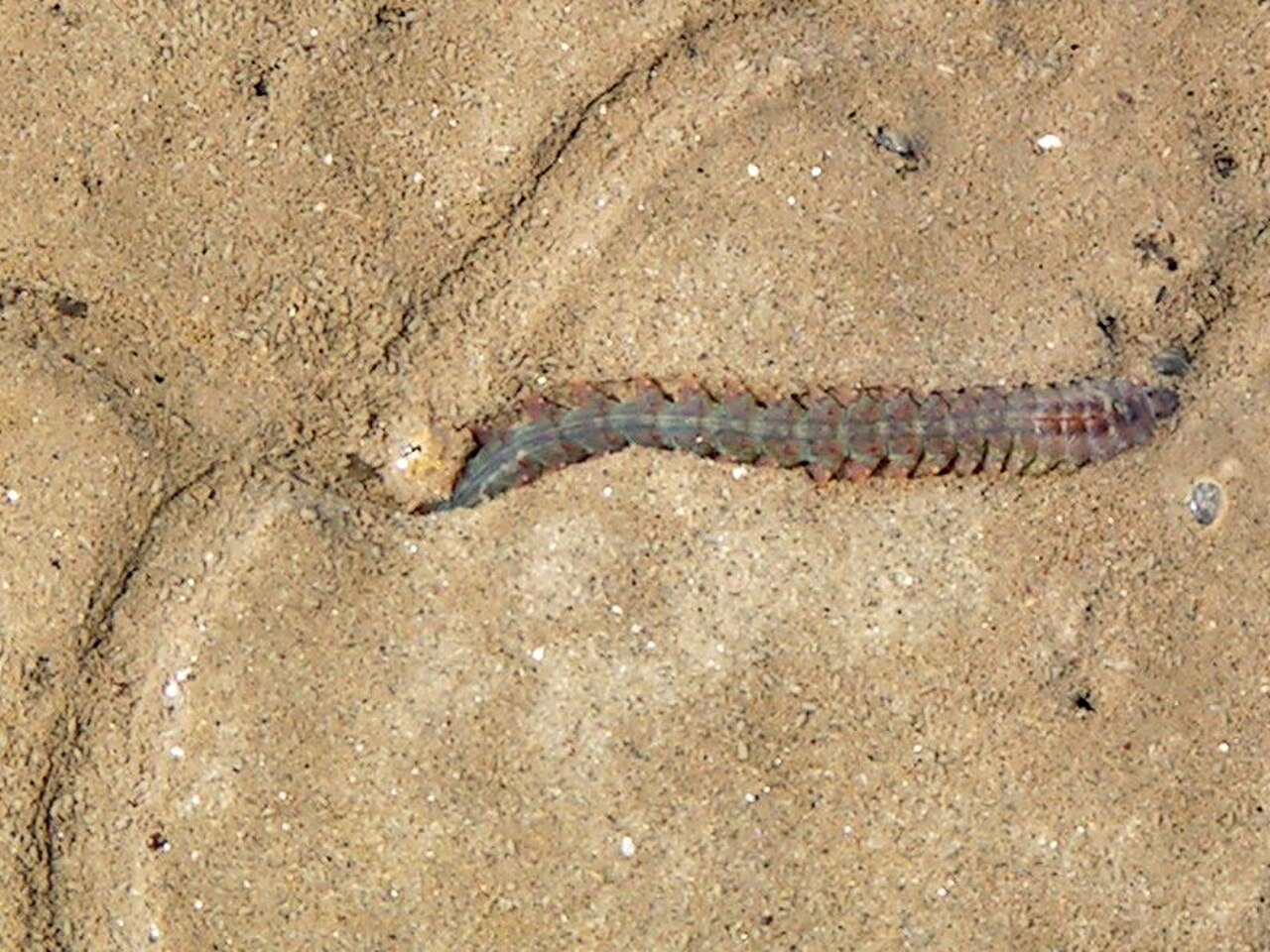
—observations
—countries
—peak records
Not EvaluatedConservation statusIUCN Red List categoriesLCNTVUENCREWEXNot Evaluated — not placed on the risk ladderRed List categories, explained →
Diet & preyDiatoms, Organic Detritus, Microscopic Invertebrates
Predators
- Curlew
- Shore Crab
- European Flounder
ThreatsEstuarine pollution, habitat destruction via coastal development, and heavy bait-digging pressure.
HabitatsIntertidal mudflats, estuaries, brackish lagoons, and sandy beaches.
Life span1–3 years
Classification
- OrderPhyllodocida
- FamilyNereididae
- GenusHediste
- SpeciesHediste diversicolor
Range data is not available yet.
Interaction riskLow
- Low
- Moderate
- High
- Very high
- Why interaction risk is low
- Safe to observe at a normal distance.
Responsible observation
- Low Tide Exploration: Look for small starburst feeding traces around tiny burrow entrances on exposed mudflats.
- Bait Digging Etiquette: Backfill any excavated sediment holes to prevent suffocating buried infauna.
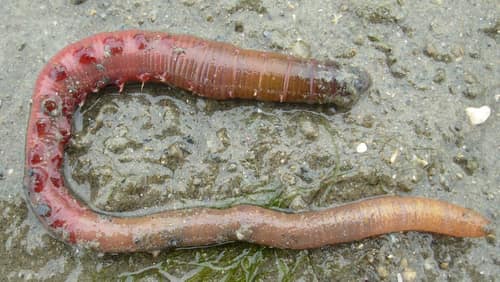
Sediment Neighbor (c) Auguste Le Roux, some rights reserved (CC BY) · cc-by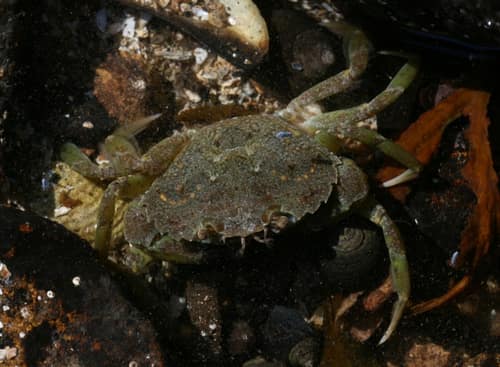
Predator (c) Sandy Rae, some rights reserved (CC BY) · cc-by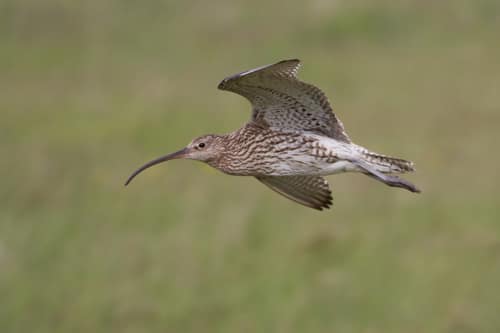
Predator (c) Joanne Goldby, some rights reserved (CC BY-SA) · cc-by-sa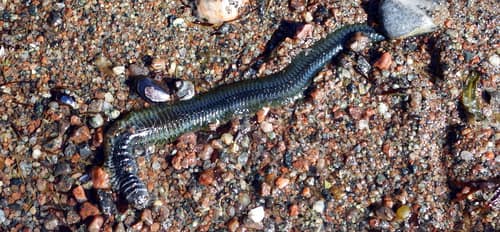
Close Relative (c) Георгий Виноградов (Georgy Vinogradov), some rights reserved (CC BY) · cc-by
Help improve the field guideSomething wrong?
Checking your Fauna account…Report a name, category, or profile issue for review.