Invertebrate · GBIF taxon 2307593
Blue Worm
Perionyx excavatusAlso known as Indian Blue Worm, Composting Worm, Blue Earthworm, Indian Blue
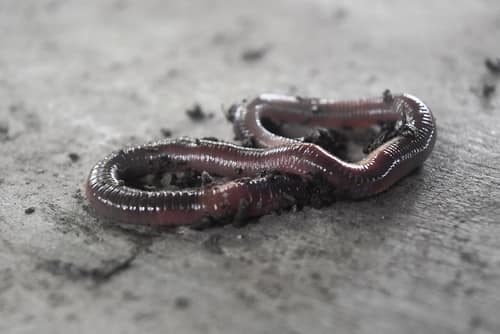
Indian blue worms are highly active, tropical earthworms famous for their rapid digestion of organic matter and deep iridescent sheen. They thrive in warm, high-humidity environments, moving with a fast, erratic thrashing motion when disturbed. While widely cultivated for vermicomposting, they are notorious escape artists that will migrate en masse during sudden drops in barometric pressure or temperature.
ComposterTropicalIridescent
—observations
—countries
—peak records
Not EvaluatedConservation statusIUCN Red List categoriesLCNTVUENCREWEXNot Evaluated — not placed on the risk ladderRed List categories, explained →

Diet & prey
- Bacteria
- Fungi
- Decomposing Plant Matter
Predators
- Toads
- Birds
- Centipedes
ThreatsCold temperatures, drought, habitat desiccation, pesticides
HabitatsTropical soils, organic leaf litter, compost piles, vermicomposting bins
Life span1–3 years
Size / weightNot available
Classification
- FamilyMegascolecidae
- SpeciesPerionyx excavatus
Range data is not available yet.
Interaction riskLow
- Low
- Moderate
- High
- Very high
- Why interaction risk is low
- Harmless to humans; safe to observe and handle directly.
Responsible observation
- Bin Maintenance: Keep composting bins between 20–30°C and maintain high humidity to prevent die-offs.
- Handling: Handle gently with damp hands to protect their delicate, moisture-sensitive skin.
- Containment: Cover worm bins securely because sudden atmospheric changes trigger wandering behavior.
Help improve the field guideSomething wrong?
Checking your Fauna account…Report a name, category, or profile issue for review.