
Invertebrate
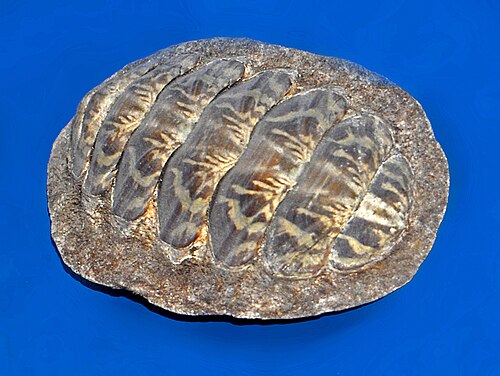
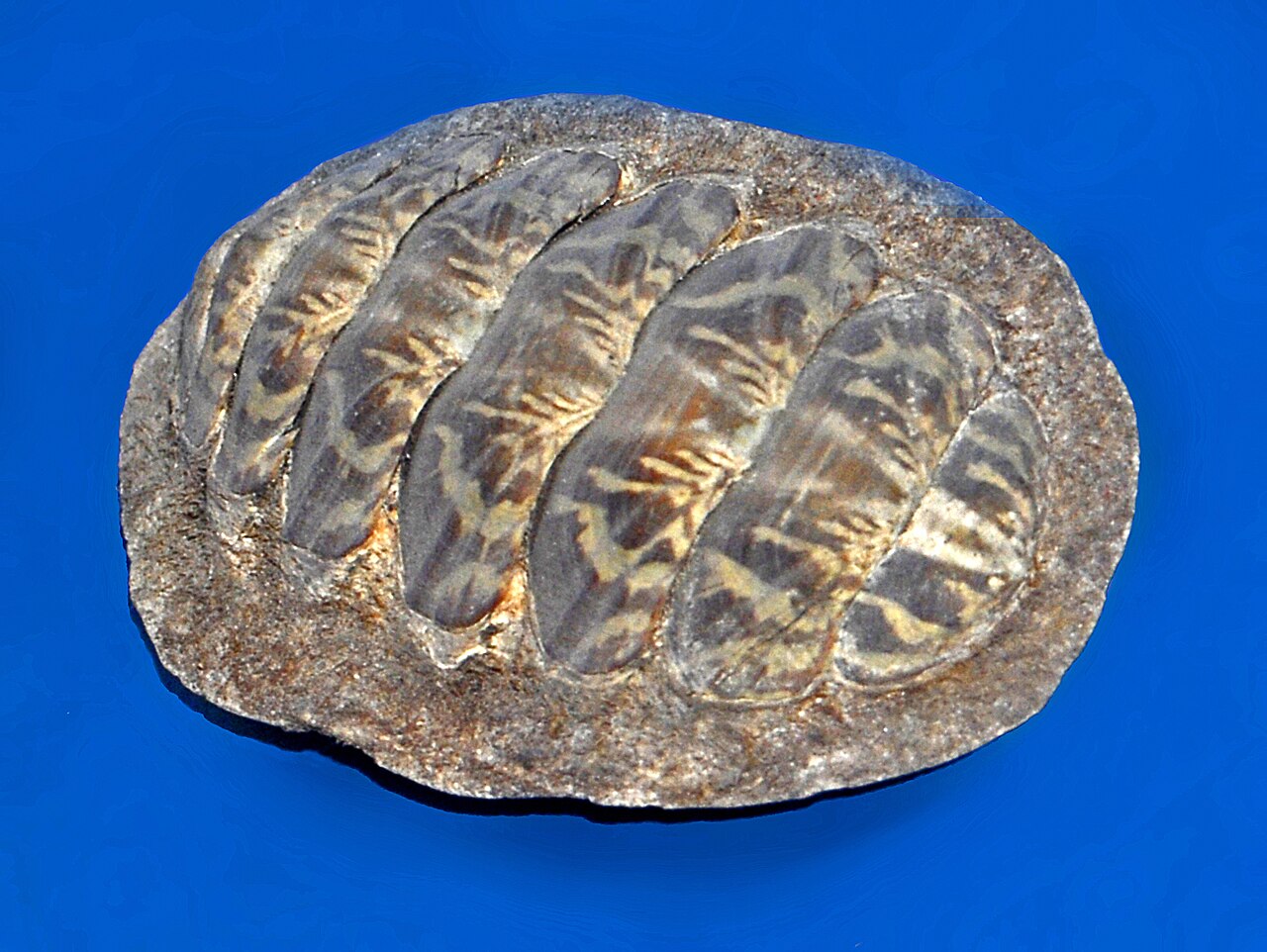
Giant Chiton
Plaxiphora albidaAlso known as White Plaxiphora Chiton
Giant chitons cling tightly to wave-battered rocky shores across southern Australia, using a broad muscular foot and eight overlapping shell plates to withstand pounding surf. At night or under high tide, they creep slowly across the rock to scrape away microalgae with a magnetite-hardened radula before returning to a worn home scar by dawn. Their leathery girdle sports tufts of stiff bristles and often carries a miniature garden of encrusting coralline algae and barnacles.
IntertidalHerbivoreArmored
—observations
—countries
—peak records
Not EvaluatedConservation statusIUCN Red List categoriesLCNTVUENCREWEXNot Evaluated — not placed on the risk ladderRed List categories, explained →
Diet & preyEncrusting algae, Marine diatoms, Turfing seaweeds
Predators
- Sooty oystercatchers
- Sea stars
- Predatory whelks
ThreatsCoastal trampling, shoreline pollution, and warming ocean waters
HabitatsExposed rocky intertidal shores and shallow subtidal reefs of southern Australia
Life span5 to 10 years
Classification
- OrderChitonida
- FamilyMopaliidae
- GenusPlaxiphora
- SpeciesPlaxiphora albida
Range data is not available yet.
Interaction riskLow
- Low
- Moderate
- High
- Very high
- Why interaction risk is low
- Safe to observe at a normal distance; watch your footing on wet, wave-swept intertidal rocks.
Responsible observation
- Observing: Look inside shaded crevices and along wave-cut ledges at low tide, where eroded valves blend into encrusted rock.
- Etiquette: Never pry a chiton off its rock, as tearing its muscular foot or breaking its home-scar seal is often fatal.
- Safety: Watch for slippery algae and sudden swell when exploring exposed intertidal platforms.
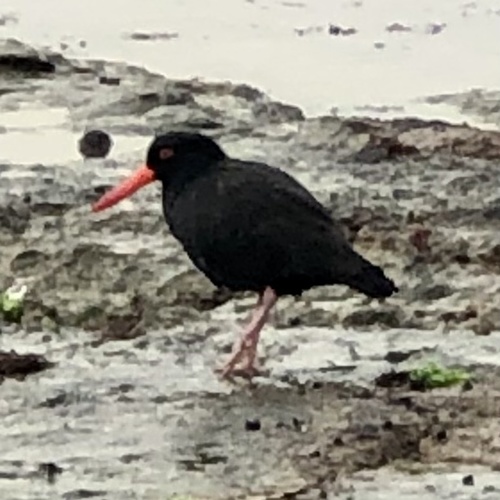
Predator (c) James K. Douch, some rights reserved (CC BY-SA) · cc-by-sa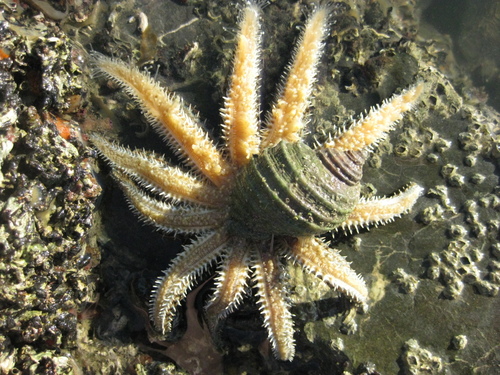
Predator (c) Javier, some rights reserved (CC BY), uploaded by Javier · cc-by
Neighbor (c) Steve Kerr, some rights reserved (CC BY), uploaded by Steve Kerr · cc-by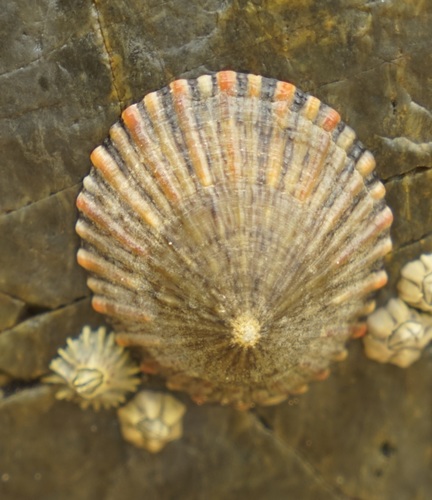
Competitor (c) Tim, some rights reserved (CC BY), uploaded by Tim · cc-by
Help improve the field guideSomething wrong?
Checking your Fauna account…Report a name, category, or profile issue for review.