
Invertebrate · GBIF taxon 2297206
Common European Ambersnail
Succinea putrisAlso known as Amber Snail, Large Amber Snail
Common European ambersnails thrive on emergent vegetation in wetlands, climbing reeds, sedges, and nettles above damp soil or standing water. Their delicate, semi-translucent shells resemble warm amber and have an unusually large aperture into which the soft body cannot entirely retract. They are famous across Europe as the primary intermediate host for the parasitic flatworm Leucochloridium paradoxum, which transforms their eye stalks into brightly pulsating, striped broodsacs that entice foraging birds.
WetlandMolluskHerbivore
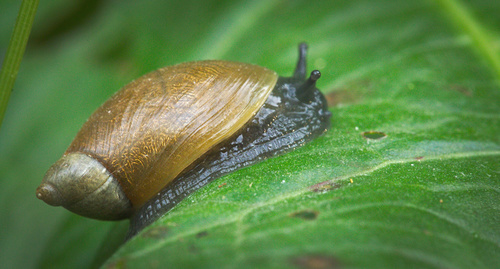
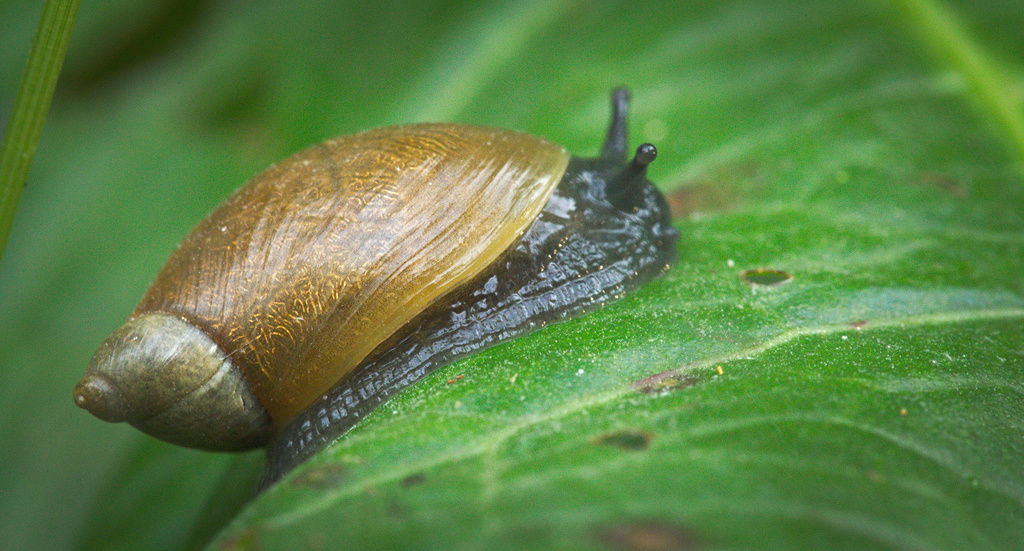
—observations
—countries
—peak records
Least ConcernConservation statusIUCN Red List categoriesLCNTVUENCREWEXLeast ConcernRed List categories, explained →
Diet & prey
- Decaying vegetation
- Algae
- Fresh wetland leaves
Predators
- Song Thrush
- Common Frog
- Carabid Beetles
ThreatsWetland drainage, agricultural run-off, and flood control modifications
HabitatsMarshes, fens, reed beds, ditch banks, and wet meadows
Life span1–2 years
Classification
- FamilySuccineidae
- SpeciesSuccinea putris
Range data is not available yet.
Interaction riskLow
- Low
- Moderate
- High
- Very high
- Why interaction risk is low
- Safe to observe at a normal distance.
Responsible observation
- Search timing: Scan vertical stems of reeds and nettles on damp, overcast mornings.
- Tentacle inspection: Observe eye stalks for bright pulsing stripes caused by parasitic flatworms.
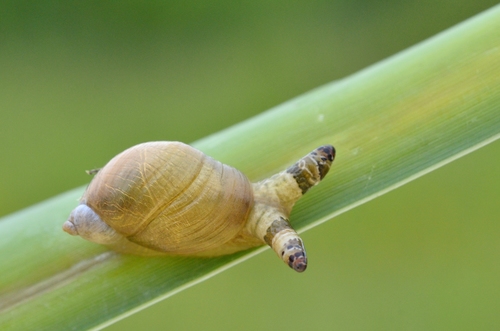
Parasite (c) Gilles San Martin, some rights reserved (CC BY-SA), uploaded by Gilles San Martin · cc-by-sa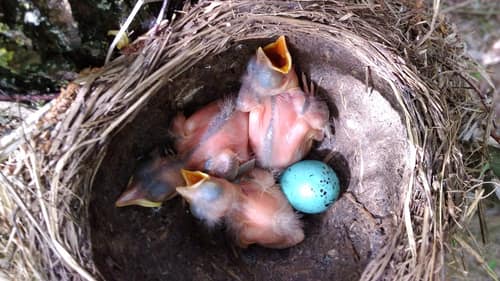
Predator (c) Вячеслав Юсупов, some rights reserved (CC BY), uploaded by Вячеслав Юсупов · cc-by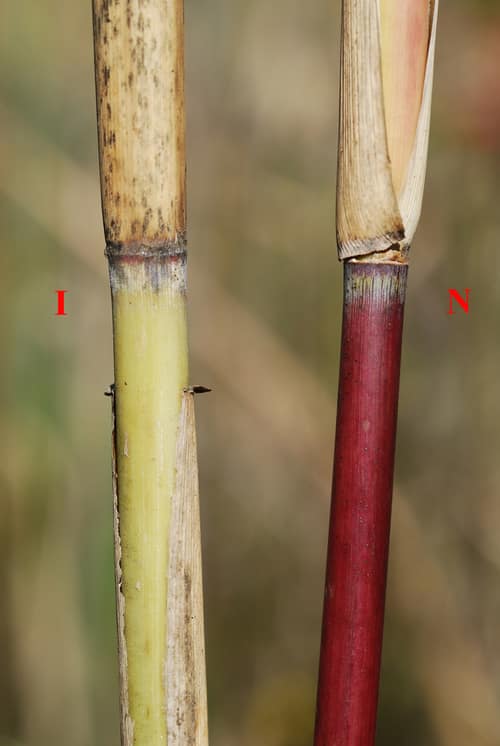
Host Plant (c) Douglas Goldman, some rights reserved (CC BY-SA), uploaded by Douglas Goldman · cc-by-sa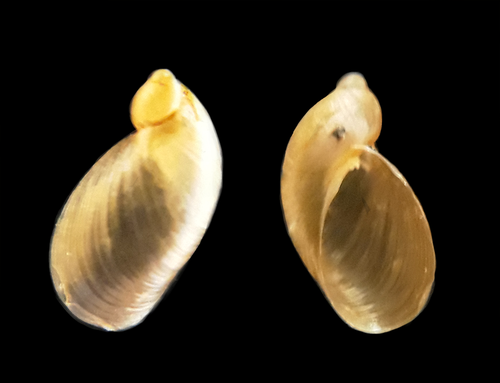
Same Family no rights reserved, uploaded by tasty_y · cc0
Help improve the field guideSomething wrong?
Checking your Fauna account…Report a name, category, or profile issue for review.