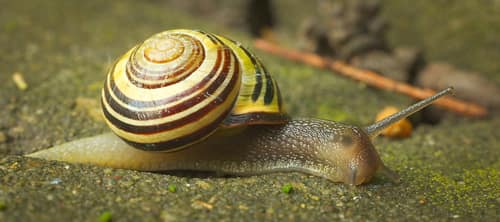
Eastern Whitelip
Neohelix albolabrisAlso known as White-lip Globe Snail, Whitelip Snail
Eastern whitelips glide across damp forest floors on a layer of secreted mucus, using their rasping radula to scrape decaying plant matter, fungi, and micro-algae from fallen leaves. As simultaneous hermaphrodites, individuals mate reciprocally in spring or summer, later depositing clusters of gelatinous eggs into moist soil or beneath rotting logs. During cold winters or dry summer spells, they retreat deep within their shells, sealing the opening with a protective calcified mucus barrier called an epiphragm.

1 / 7- Decaying leaf litter
- Wild fungi
- Tree lichens
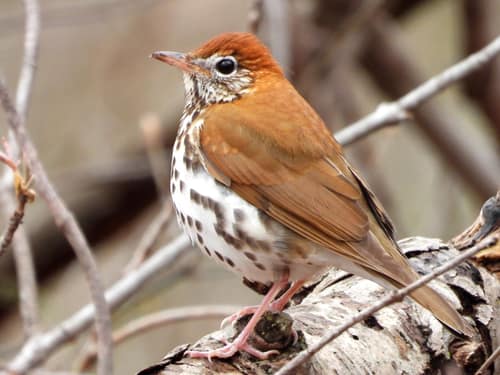
- Wood thrush
- Short-tailed shrew
- Carabid beetle
- OrderStylommatophora
- FamilyPolygyridae
- GenusNeohelix
- SpeciesNeohelix albolabris
- Low
- Moderate
- High
- Very high
- Why interaction risk is low
- Harmless land snail; safe to observe closely without disturbance.
- Observation timing: Search damp forest floors and rotting logs after gentle rain or early in the morning.
- Handling etiquette: Avoid handling with dry hands, as skin salts and oils can harm their delicate, moisture-dependent skin.
Found in Collections
Secret Garden
Eastern Whitelip is found in this collection. Identify it in Fauna to fill this slot and continue your progress.
Unlock to track progress
Report a name, category, or profile issue for review.