
Invertebrate · GBIF taxon 2294101
Black Slug
Arion aterAlso known as European Black Slug, Black Arion, Licorice Slug
Black slugs glide across moist woodland floors and garden paths, leaving a trail of thick sticky mucus behind them. When threatened, these large terrestrial mollusks contract into a tight dome shape and rock side to side to confuse predators. As versatile detritivores, they process fallen leaves, fungi, and decaying matter, driving essential nutrient cycling across temperate ecosystems.
NocturnalMolluskDecomposer
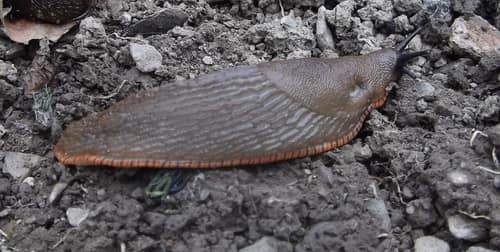
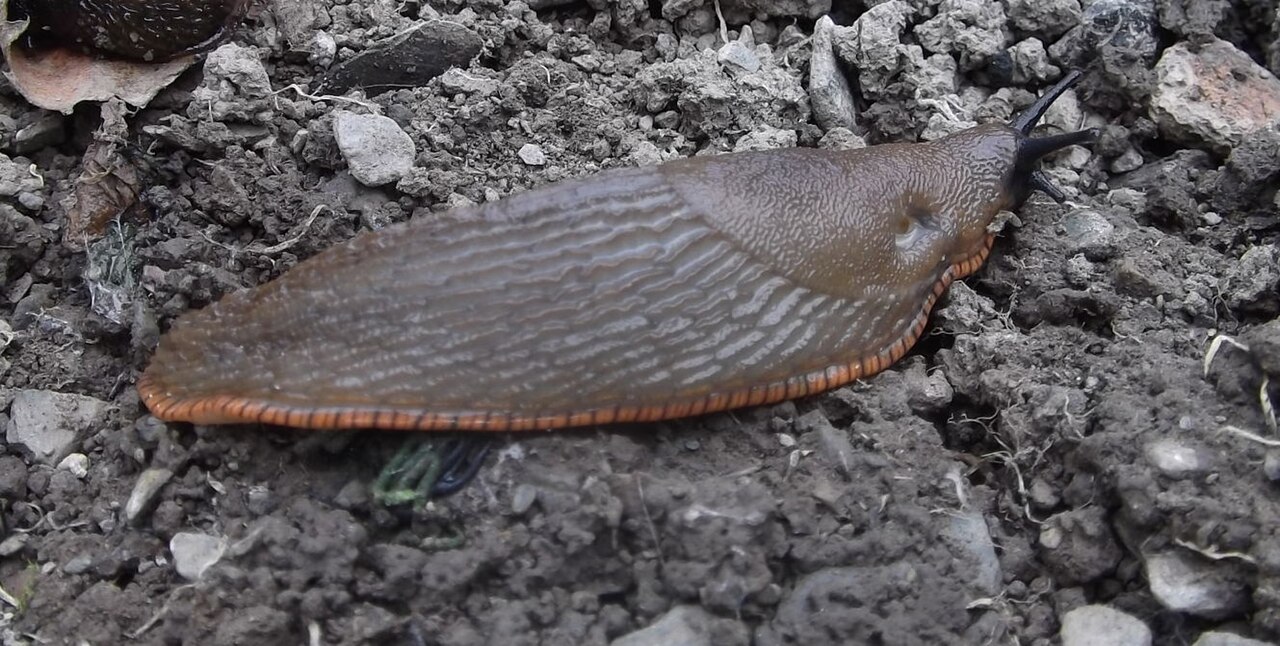
—observations
—countries
—peak records
Least ConcernConservation statusIUCN Red List categoriesLCNTVUENCREWEXLeast ConcernRed List categories, explained →
Diet & prey
- Fallen leaves
- Fungi
- Plant seedlings
Predators
- Hedgehogs
- Toads
- Ground beetles
ThreatsChemical pesticides, habitat drying, and garden pest control
HabitatsTemperate forests, damp woodlands, gardens, and grasslands
Life span1–2 years
Classification
- OrderStylommatophora
- FamilyArionidae
- GenusArion
- SpeciesArion ater
Range data is not available yet.
Interaction riskModerate
- Low
- Moderate
- High
- Very high
- Why interaction risk is moderate
- May carry parasitic worms; wash hands after touching and never ingest.
Responsible observation
- Timing Observations: Look around damp logs, leaf litter, and garden borders shortly after nightfall or rainfall.
- Gentle Handling: Use wet hands or gloves if lifting, as their defensive mucus sticks stubbornly to dry skin.
- Eco-Friendly Gardening: Manage populations by hand-collecting rather than using chemical pellets that harm wildlife.
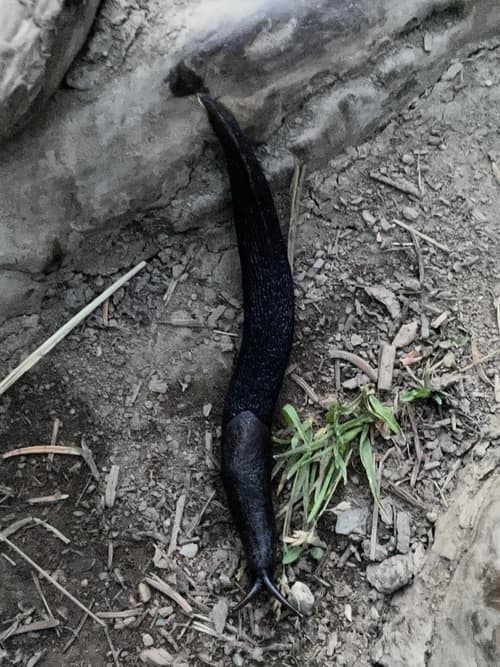
Competitor (c) Rachel Lee Harper, some rights reserved (CC BY), uploaded by Rachel Lee Harper · cc-by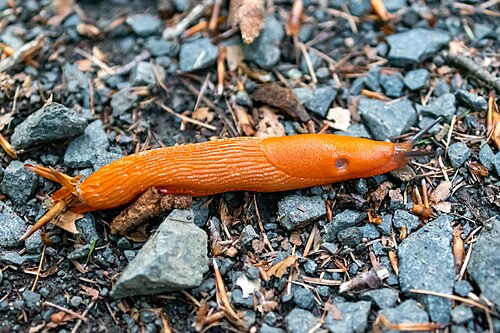
Close Relative © Colin Erickson / CC BY-SA 4.0 · cc-by-sa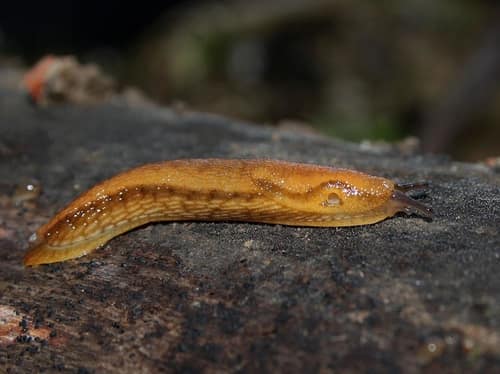
Close Relative (c) Holger Krisp, some rights reserved (CC BY) · cc-by
Keep collecting in Fauna
Found in Collections
Ecosystem chain Pro
Secret Garden
Black Slug is found in this collection. Identify it in Fauna to fill this slot and continue your progress.
Unlock to track progress
Help improve the field guideSomething wrong?
Checking your Fauna account…Report a name, category, or profile issue for review.