Also known as Tropical Leatherleaf, Black Leatherleaf Slug
Tropical leatherleaf slugs glide across tropical soils on a remarkably broad, muscular foot, completely devoid of an external shell. Their tough, leathery mantle acts as an effective shield against moisture loss and minor abrasions, allowing them to thrive in relatively warm, exposed agricultural microclimates. Nocturnally active, they emerge after sunset to graze heavily on tender foliage, garden vegetables, and fallen fruit before retreating under damp logs or leaf litter by dawn.
ThreatsMolluscicide applications, agricultural land clearing, and desiccation during dry spells
HabitatsTropical gardens, agricultural plantations, moist secondary forests, and disturbed grasslands
Life span1–2 years
Classification
OrderSystellommatophora
FamilyVeronicellidae
GenusLaevicaulis
SpeciesLaevicaulis alte
Range & activity
Range data is not available yet.
Safe observation
Interaction riskModerate
Low
Moderate
High
Very high
Why interaction risk is moderate
Can vector rat lungworm parasites; never consume and wash hands thoroughly after handling.
Why it is dangerous
Acts as an intermediate host for the nematode Angiostrongylus cantonensis, which causes eosinophilic meningitis in humans if infected slugs or contaminated garden produce are ingested raw.
How to recognize a risky encounter
Recognizable by its flattened, leathery mantle lacking an external shell, dark mottled dorsal coloration, and a narrow pale stripe down its spine.
What to do
Do not touch with bare hands, thoroughly wash any raw garden vegetables grown in infested areas, and keep domestic pets away from slug-infested zones.
Responsible observation
Night scouting: Inspect mulch piles and flowerbed borders with a dim flashlight after dark.
Hygiene precaution: Wear protective garden gloves to avoid contact with parasite-carrying mucus.
Identification check: Look for the flat, granular mantle and pale longitudinal center stripe.

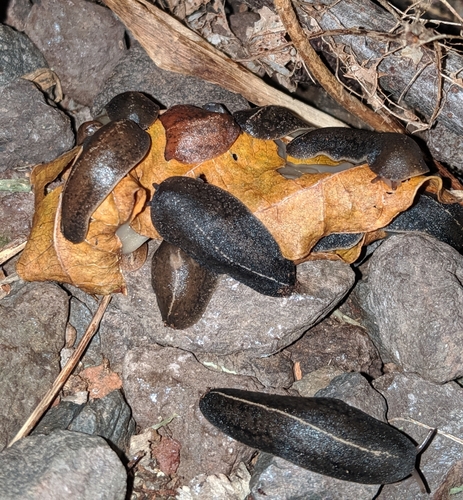
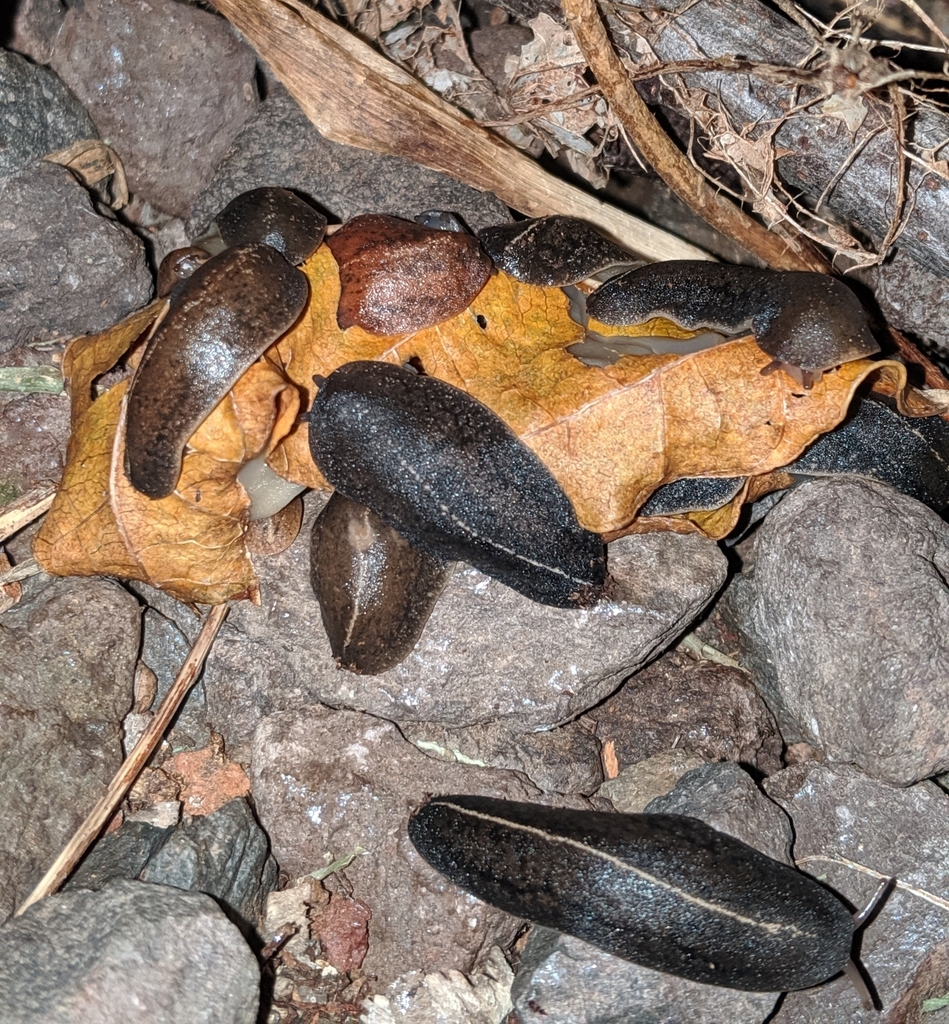
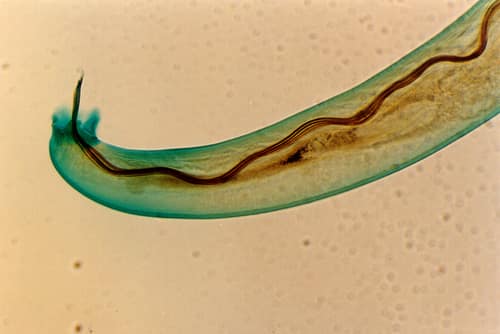
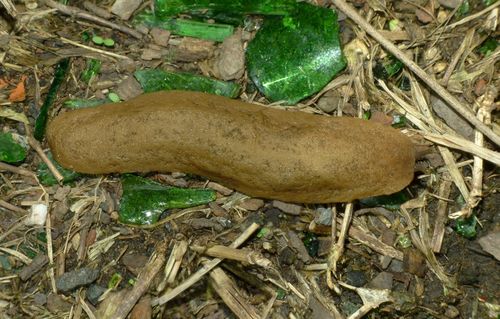
 Image unavailable