
Invertebrate
Japanese Flying Squid
Todarodes pacificusAlso known as Japanese Common Squid, Pacific Flying Squid
Japanese flying squids undertake vast annual migrations between subtropical breeding grounds in the East China Sea and nutrient-rich northern feeding grounds near Hokkaido. By jetting high-pressure water through their flexible funnels, they can launch completely out of the ocean and glide above the surface for over thirty meters to escape marine predators. Their rapid lifecycle spans just a single year, concluding in massive, synchronized spawning aggregations after which the adults perish.
PelagicMigratoryNocturnal
—observations
—countries
—peak records
Least ConcernConservation statusIUCN Red List categoriesLCNTVUENCREWEXLeast ConcernRed List categories, explained →
Diet & preyJapanese Anchovy, Euphausiid Krill, Lanternfish
Predators
- Pacific Bluefin Tuna
- Northern Fur Seal
- Sperm Whale
ThreatsCommercial overfishing, fluctuating sea surface temperatures, and marine pollution
HabitatsPelagic open ocean, coastal waters, and continental shelf slopes
Life spanAbout 1 year
Classification
- FamilyOmmastrephidae
- SpeciesTodarodes pacificus
Range data is not available yet.
Interaction riskLow
- Low
- Moderate
- High
- Very high
- Why interaction risk is low
- Safe to observe while diving or snorkeling in open ocean waters.
Responsible observation
- Night Observation: Use red or diffused dive torches to watch feeding behavior without blinding schools attracted to boat lights.
- Gentle Distance: Give swimming squids space to prevent triggering defensive inking that obscures visibility.
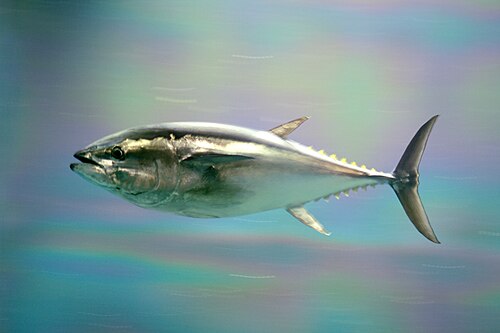
Predator aes256 / CC BY 2.1 jp · cc-by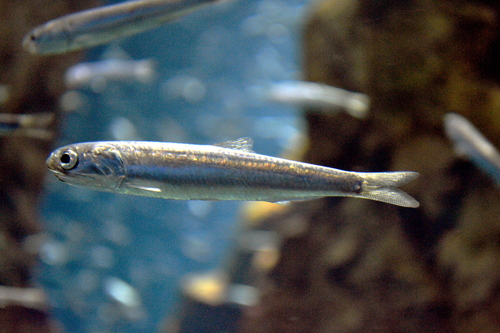
Prey (c) Kingfisher, some rights reserved (CC BY-SA) · cc-by-sa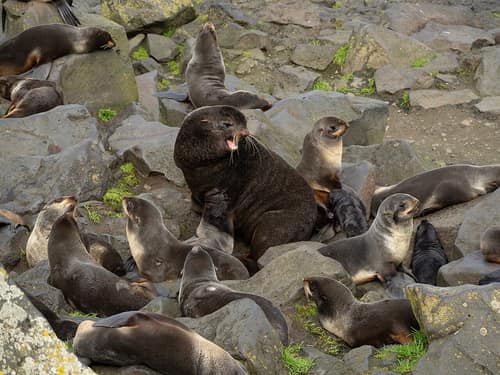
Predator Carina Gsottbauer / CC BY-SA 4.0 · cc-by-sa Image unavailable
Same Family
Help improve the field guideSomething wrong?
Checking your Fauna account…Report a name, category, or profile issue for review.