Fauna
Invertebrate

Atlantic Cranch Squid

Teuthowenia megalops

Also known as Glass Squid

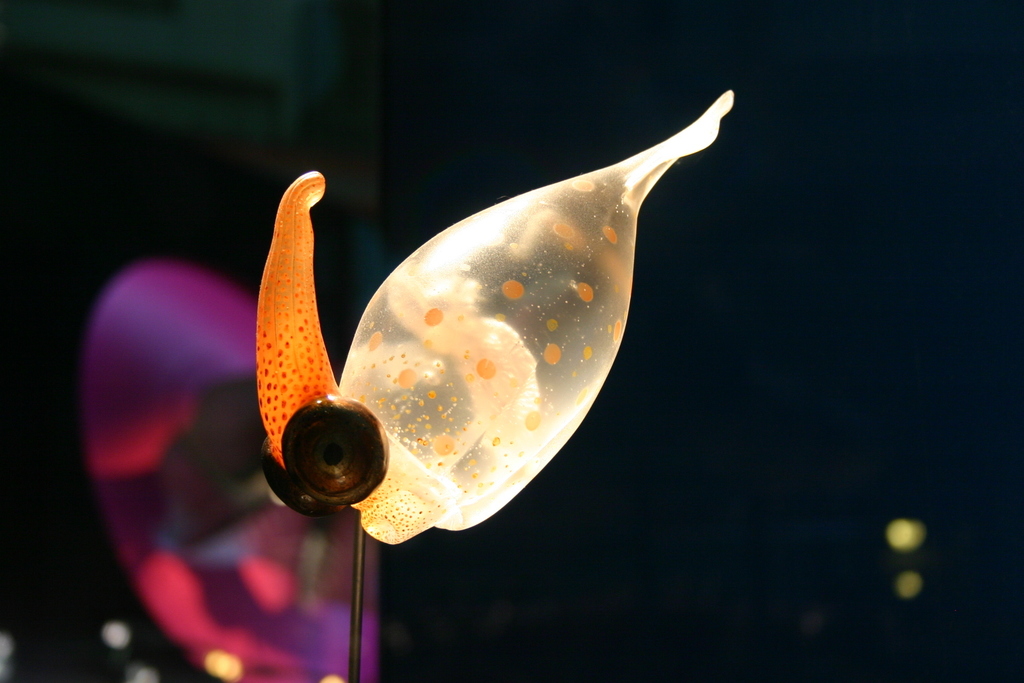
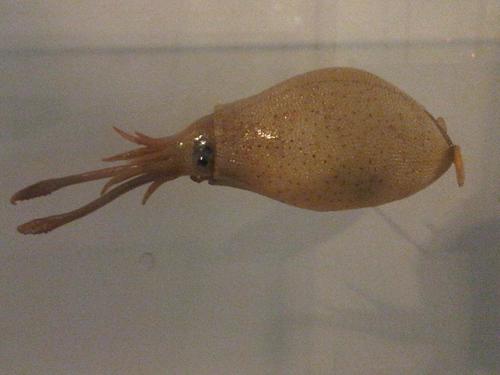
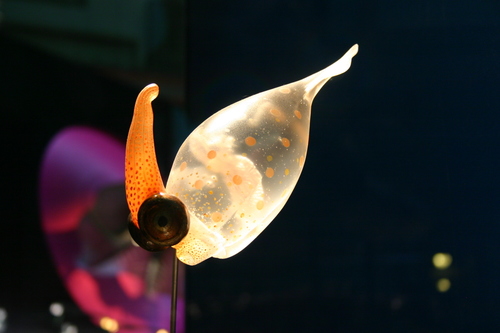
Atlantic cranch squid drift through the twilight and midnight zones of the North Atlantic, maintaining neutral buoyancy by filling their spacious body cavities with a light ammonium chloride solution. Their nearly transparent tissues make them almost invisible to predators, while specialized photophores beneath their enormous eyes produce downward-directed bioluminescence to match faint downwelling sunlight. When startled, they can pull their head and arms into the swollen mantle chamber, transforming into a defensive, balloon-like sphere.

Deep SeaBioluminescentPelagic
—observations
—countries
—peak records
Least ConcernConservation statusIUCN Red List categoriesLCNTVUENCREWEXLeast ConcernRed List categories, explained →
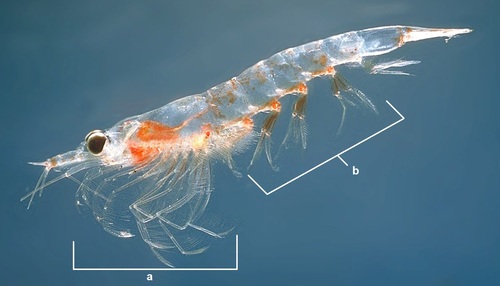
Diet & preyNorthern Krill, Lanternfish, Amphipods
Predators
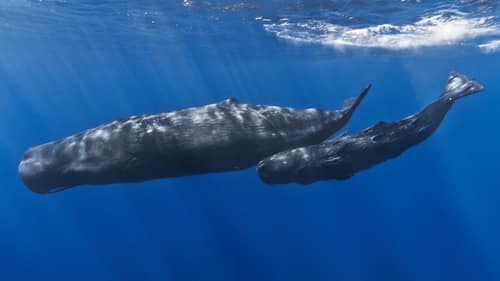
  • Sperm Whale
  • Long-finned Pilot Whale
  • Blue Shark
ThreatsOcean warming, shifting deep-sea currents, and deepwater pollution
HabitatsMesopelagic and bathypelagic zones of temperate and subarctic ocean waters
Life span1–2 years
  1. OrderOegopsida
  2. FamilyCranchiidae
  3. GenusTeuthowenia
  4. SpeciesTeuthowenia megalops
Range data is not available yet.
Interaction riskLow
  1. Low
  2. Moderate
  3. High
  4. Very high
Why interaction risk is low
Safe to observe at a normal distance.
Responsible observation
  • Deep-sea observation: Encountered primarily via deep-diving submersibles, oceanographic trawls, or ROV feeds.
  • Pelagic drift: Juveniles occasionally rise closer to surface waters during nocturnal vertical migrations.
Keep collecting in Fauna

Found in Collections

Species set Pro

Ocean Creatures

Atlantic Cranch Squid is found in this collection. Identify it in Fauna to fill this slot and continue your progress.

Unlock to track progress

Continue in the app
Help improve the field guideSomething wrong?

Report a name, category, or profile issue for review.

Checking your Fauna account…