
Species · GBIF taxon 2289644
California Two-spot Octopus
Octopus bimaculoidesAlso known as Bimac Octopus, Two-spot Octopus, California Two-spotted Octopus
California two-spot octopuses are highly intelligent, solitary predators that navigate the rocky intertidal zones of the Pacific coast with remarkable agility. They are easily recognized by the pair of shimmering blue eyespots, or ocelli, which they use to deceive potential predators into thinking they are being watched by a much larger creature. During the day, they retreat into deep rocky crevices, emerging at night to hunt crabs and mollusks using their powerful arms and sharp beak.
MarineIntelligentNocturnal
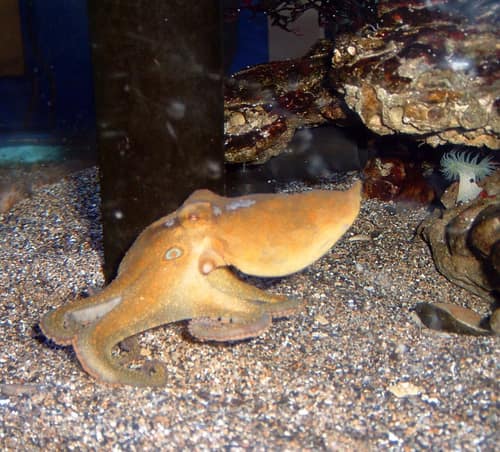
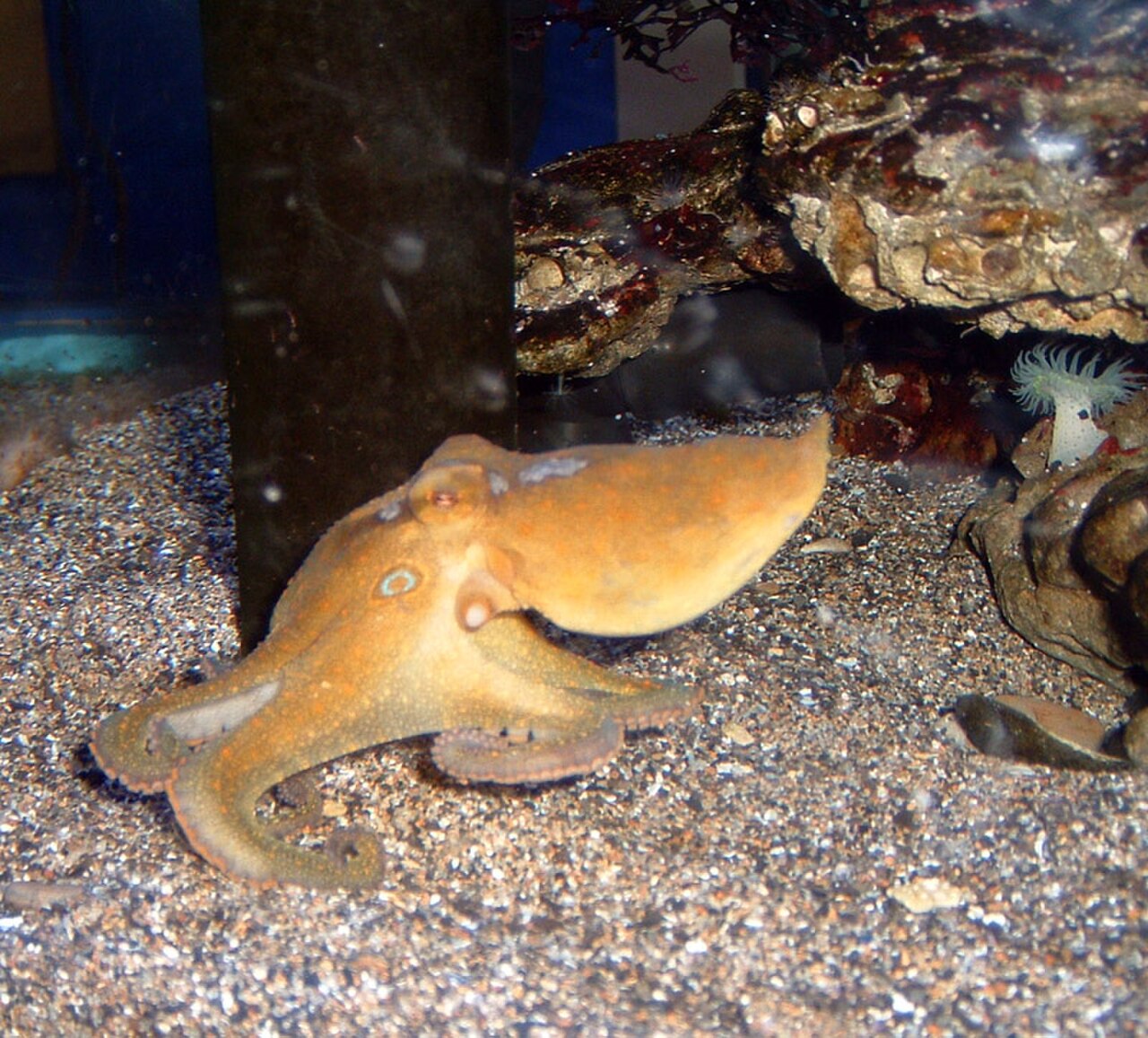
Licensed referenceJeremyse at en.wikipedia / Public domain · cc0
—observations
—countries
—peak records
Not EvaluatedConservation statusIUCN Red List categoriesLCNTVUENCREWEXNot Evaluated — not placed on the risk ladderRed List categories, explained →
Diet & prey
- Shore crabs
- Hermit crabs
- Marine snails
Predators
- Moray eels
- Harbor seals
- California sea lions
ThreatsCoastal development, water pollution, and warming ocean temperatures
HabitatsRocky reefs, tide pools, kelp forests, and shallow coastal waters
Life span1 to 2 years
Size / weightNot available
Classification
- FamilyOctopodidae
- SpeciesOctopus bimaculoides
Range data is not available yet.
Interaction riskLow
- Low
- Moderate
- High
- Very high
- Why interaction risk is low
- Possesses a sharp beak and mildly venomous saliva; avoid handling to prevent a painful bite.
- Why it is dangerous
- Possesses a sharp chitinous beak and salivary glands that secrete a mild paralyzing toxin to subdue prey.
- How to recognize a risky encounter
- Look for two bright, iridescent blue circular spots on either side of the head below the eyes.
- What to do
- Never attempt to pick up or corner an octopus; observe from a respectful distance.
Responsible observation
- Look for ocelli: Scan shallow tide pools for the iridescent blue circles on their sides.
- Observe quietly: Wait patiently near rocky crevices without reaching in to avoid startling them.
- Watch for color shifts: Observe how they rapidly change texture and color to match their surroundings.
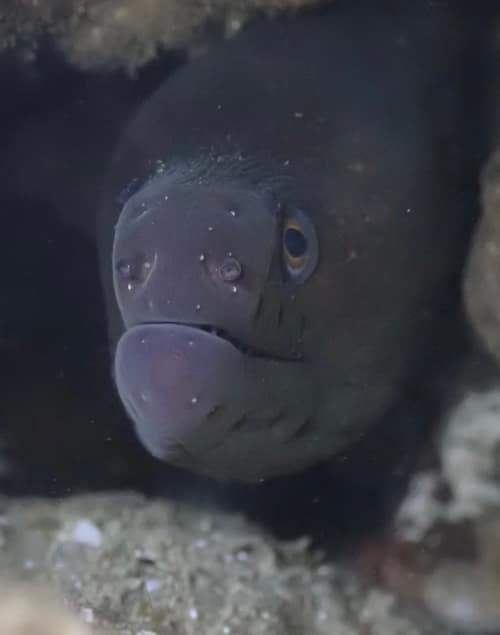
Predator (c) Cricket Raspet, some rights reserved (CC BY) · cc-by Image unavailable
Close Relative 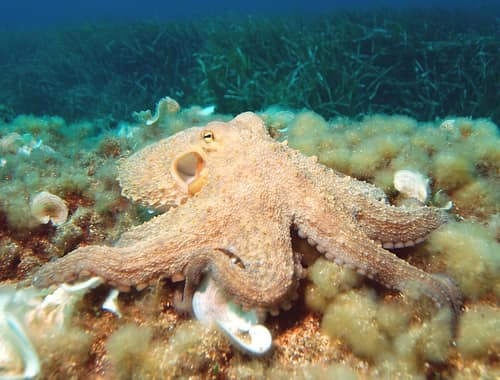
Close Relative albert kok / CC BY-SA 3.0 · cc-by-sa
Help improve the field guideSomething wrong?
Checking your Fauna account…Report a name, category, or profile issue for review.