
Invertebrate · GBIF taxon 2289580
Caribbean Reef Octopus
Octopus briareusAlso known as Briar Octopus, Reef Octopus
Caribbean reef octopuses emerge at dusk to roam coral reefs and seagrass meadows, using extraordinary camouflage to blend seamlessly into surrounding rock and sponges. Capable of dramatic shifts in color and skin texture within milliseconds, they stalk prey using wide webbed arms to trap crabs and mollusks in a dense envelope. During the day, individuals retreat into snug limestone crevices, blocking the entrance with loose shells and rocks to sleep safely.
NocturnalMarineCephalopod
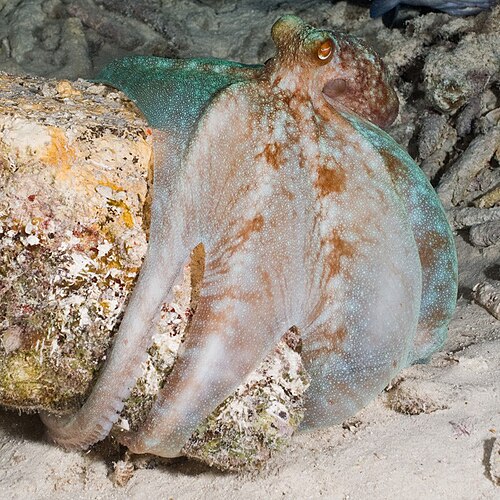
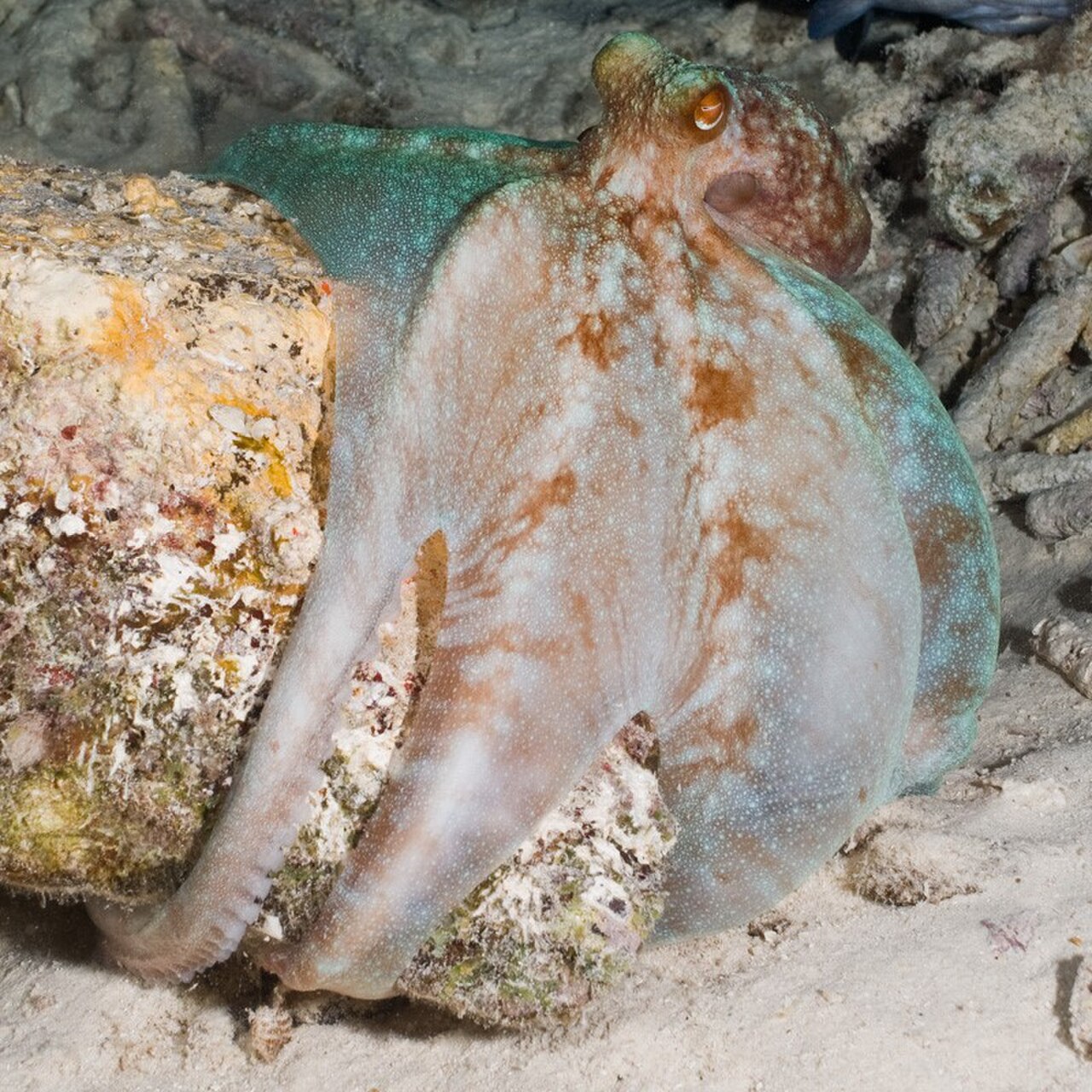
—observations
—countries
—peak records
Least ConcernConservation statusIUCN Red List categoriesLCNTVUENCREWEXLeast ConcernRed List categories, explained →
Diet & prey
- Crabs
- Lobsters
- Shrimp
Predators
- Moray Eels
- Groupers
- Sharks
ThreatsCoral reef degradation, habitat loss, water pollution
HabitatsCoral reefs, seagrass beds, shallow tropical waters
Life span1–1.5 years
Size / weightNot available
Classification
- FamilyOctopodidae
- SpeciesOctopus briareus
Range data is not available yet.
Interaction riskLow
- Low
- Moderate
- High
- Very high
- Why interaction risk is low
- Delivers a sharp bite with its beak if handled; observe quietly without touching or cornering.
Responsible observation
- Night Dives: Use a red light during evening dives to observe foraging behavior without startling them.
- Reef Etiquette: Never reach into dark rock crevices or pull an octopus from its chosen den.
- Body Language: Watch for sudden texture changes, which signal stress or defense readiness.
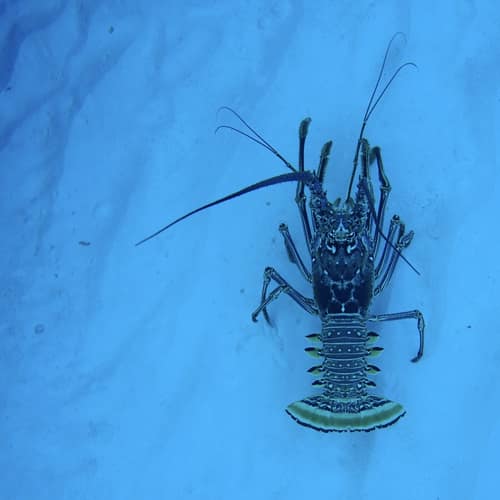
Prey (c) Michael Bommerer, some rights reserved (CC BY), uploaded by Michael Bommerer · cc-by Image unavailable
Predator 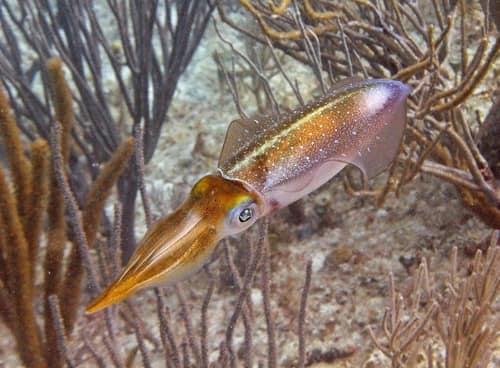
Frequent Companion (c) Matteo Cassella, some rights reserved (CC BY-SA), uploaded by Matteo Cassella · cc-by-sa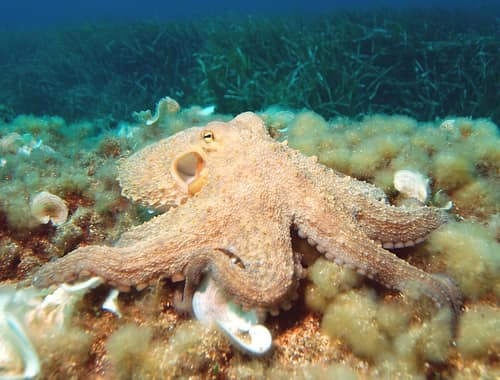
Close Relative albert kok / CC BY-SA 3.0 · cc-by-sa
Help improve the field guideSomething wrong?
Checking your Fauna account…Report a name, category, or profile issue for review.