
Species · GBIF taxon 2264689
Box Jellyfish
Chironex fleckeriAlso known as Australian Box Jelly, Sea Wasp, Flecker's Box Jellyfish
Australian box jellyfish are formidable marine predators equipped with up to sixty trailing tentacles that can stretch three meters long. Unlike most jellyfish, they are active swimmers that use a sophisticated set of twenty-four eyes to navigate coastal waters and hunt prey. Their translucent, pale blue bells make them nearly invisible in the water, posing a silent hazard to swimmers.
VenomousMarineActive Hunter
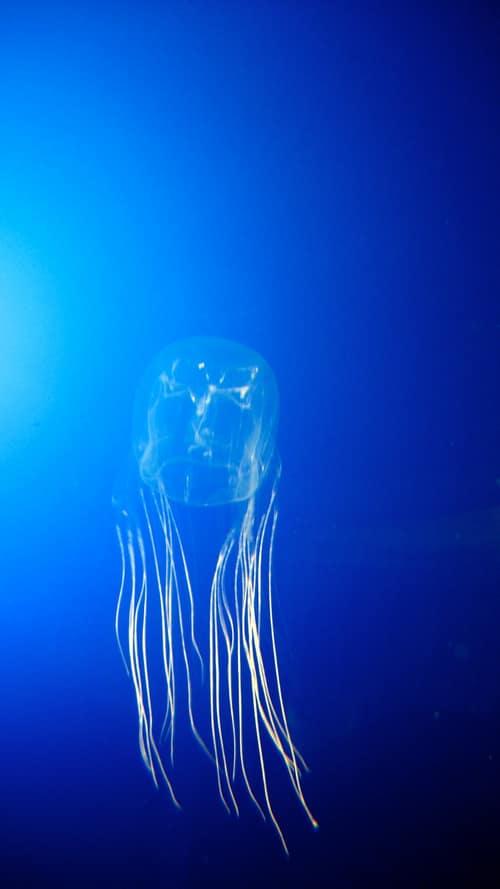
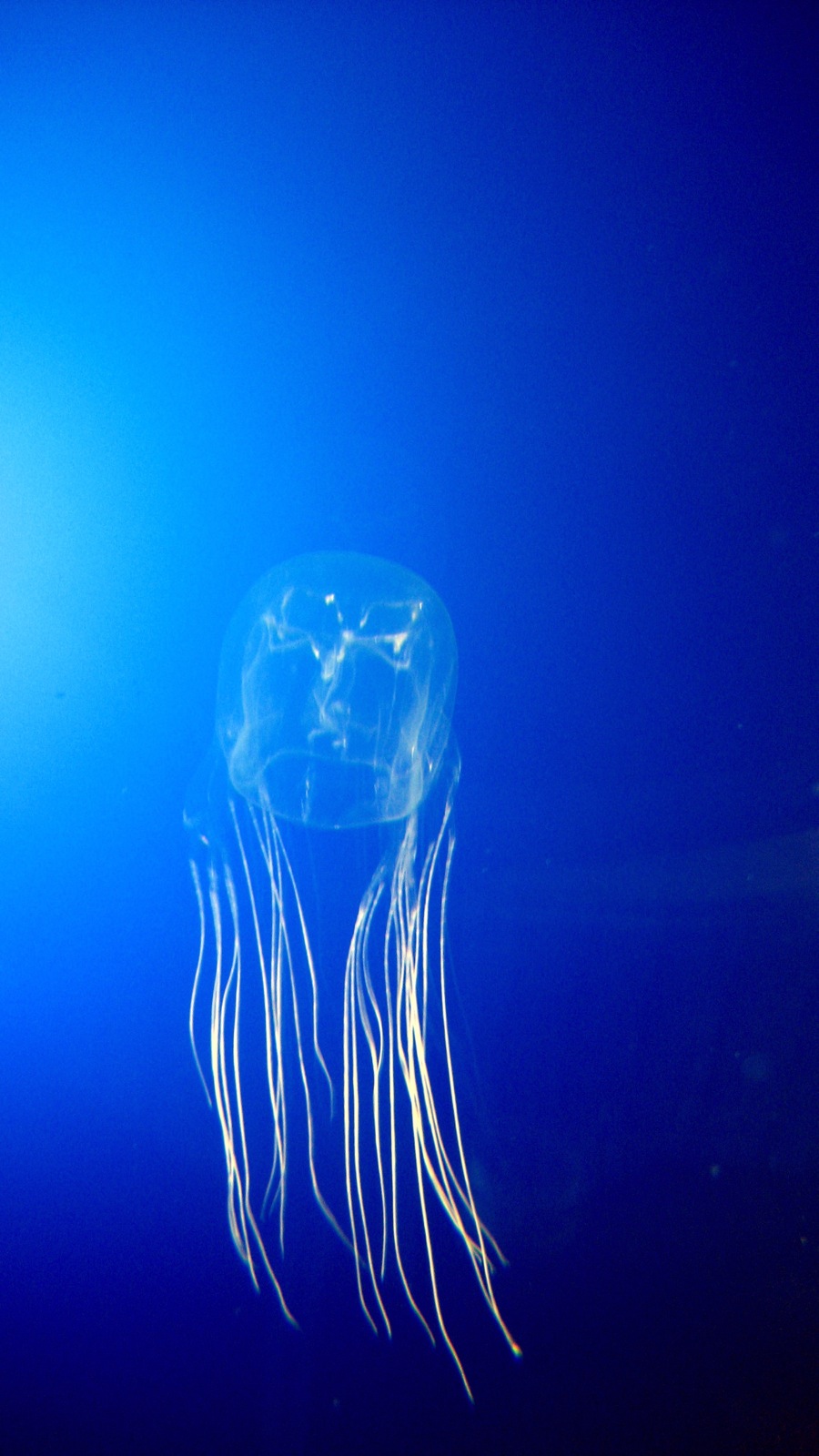
Licensed referenceGuido Gautsch, Melbourne, Australia / CC BY-SA 2.0 · cc-by-sa
—observations
—countries
—peak records
Not EvaluatedConservation statusIUCN Red List categoriesLCNTVUENCREWEXNot Evaluated — not placed on the risk ladderRed List categories, explained →
Diet & prey
- Shrimp
- Prawns
- Small Fish
Predators
- Green Sea Turtle
- Leatherback Sea Turtle
- Batfish
ThreatsClimate change, coastal development, and marine pollution
HabitatsShallow coastal waters, estuaries, and sandy beaches
Life spanUnder 1 year
Size / weightNot available
Classification
- FamilyChirodropidae
- SpeciesChironex fleckeri
Range data is not available yet.
Interaction riskVery high
- Low
- Moderate
- High
- Very high
- Why interaction risk is very high
- Possesses highly lethal venom; avoid swimming in known habitats during stinger season.
- Why it is dangerous
- Venom contains potent cardiotoxins and dermatonecrotic agents that can cause cardiac arrest and death within minutes.
- How to recognize a risky encounter
- Look for a large, translucent, box-shaped bell with clusters of up to fifteen tentacles hanging from each of the four corners.
- What to do
- Never touch a washed-up specimen, and immediately flood any sting with vinegar while calling emergency services.
Responsible observation
- Heed Warning Signs: Never enter the water when local beaches are closed for stinger season.
- Wear Protective Gear: Use full-body lycra stinger suits to prevent tentacles from contacting skin.
- Carry Vinegar: Keep household vinegar on hand to douse stings and neutralize unactivated nematocysts.
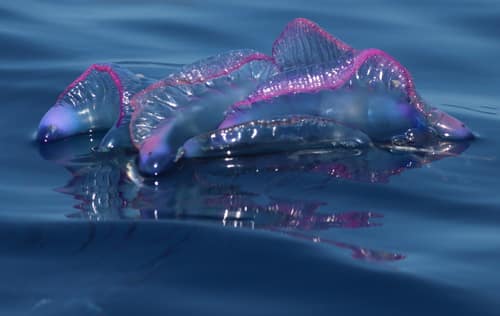
Marine Hazard (c) Jan Ebr & Ivana Ebrová, some rights reserved (CC BY), uploaded by Jan Ebr & Ivana Ebrová · cc-by Image unavailable
Cubozoan Relative Close Relative
Help improve the field guideSomething wrong?
Checking your Fauna account…Report a name, category, or profile issue for review.