Australian box jellyfish actively propel themselves through shallow coastal waters rather than drifting passively, reaching swimming speeds of up to four knots. Their sophisticated visual system includes 24 eyes grouped into clusters, featuring true lenses and retinas capable of detecting light, dark, and obstacles like mangrove roots. During the tropical wet season, mature adults hunt near calm estuaries and sandy beaches where their nearly invisible tentacles trail for meters.
Not EvaluatedConservation statusIUCN Red List categoriesLCNTVUENCREWEXNot Evaluated — not placed on the risk ladderRed List categories, explained →
Key facts
Diet & preyAcetes Prawns, Small schooling fish, Larval decapods
Predators
Green Sea Turtle
Platax Batfish
ThreatsCoastal development, marine pollution, and habitat disruption in estuarine breeding grounds
HabitatsShallow coastal waters, river mouths, estuaries, and mangrove fringes
Life spanUp to 1 year
Classification
FamilyChirodropidae
SpeciesChironex fleckeri
Range & activity
Range data is not available yet.
Safe observation
Interaction riskVery high
Low
Moderate
High
Very high
Why interaction risk is very high
Tentacles deliver rapid, life-threatening venom; avoid swimming unprotected in tropical coastal waters during stinger season.
Why it is dangerous
Nematocysts inject massive quantities of cardiotoxic, dermatonecrotic, and pore-forming toxins into the bloodstream, capable of causing cardiac arrest within minutes.
How to recognize a risky encounter
Look for a translucent, box-shaped bell the size of a basketball with thick corner pedalia trailing dozens of flat, ribbon-like tentacles.
What to do
Never touch washed-up specimens, as detached tentacles remain active: back away immediately if spotted in water.
Responsible observation
Protective Swimwear: Wear full-body Lycra stinger suits or wetsuits when entering northern Australian waters between October and May.
First Aid Readiness: Douse any suspected contact site immediately with copious amounts of vinegar and seek urgent medical help.
Warning Signs: Adhere strictly to beach closures, stinger net boundaries, and lifeguard warnings across the Indo-Pacific.

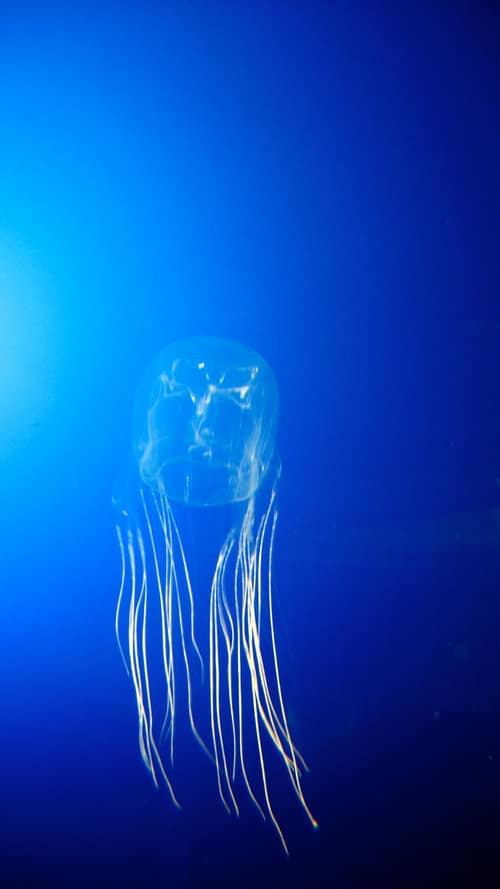
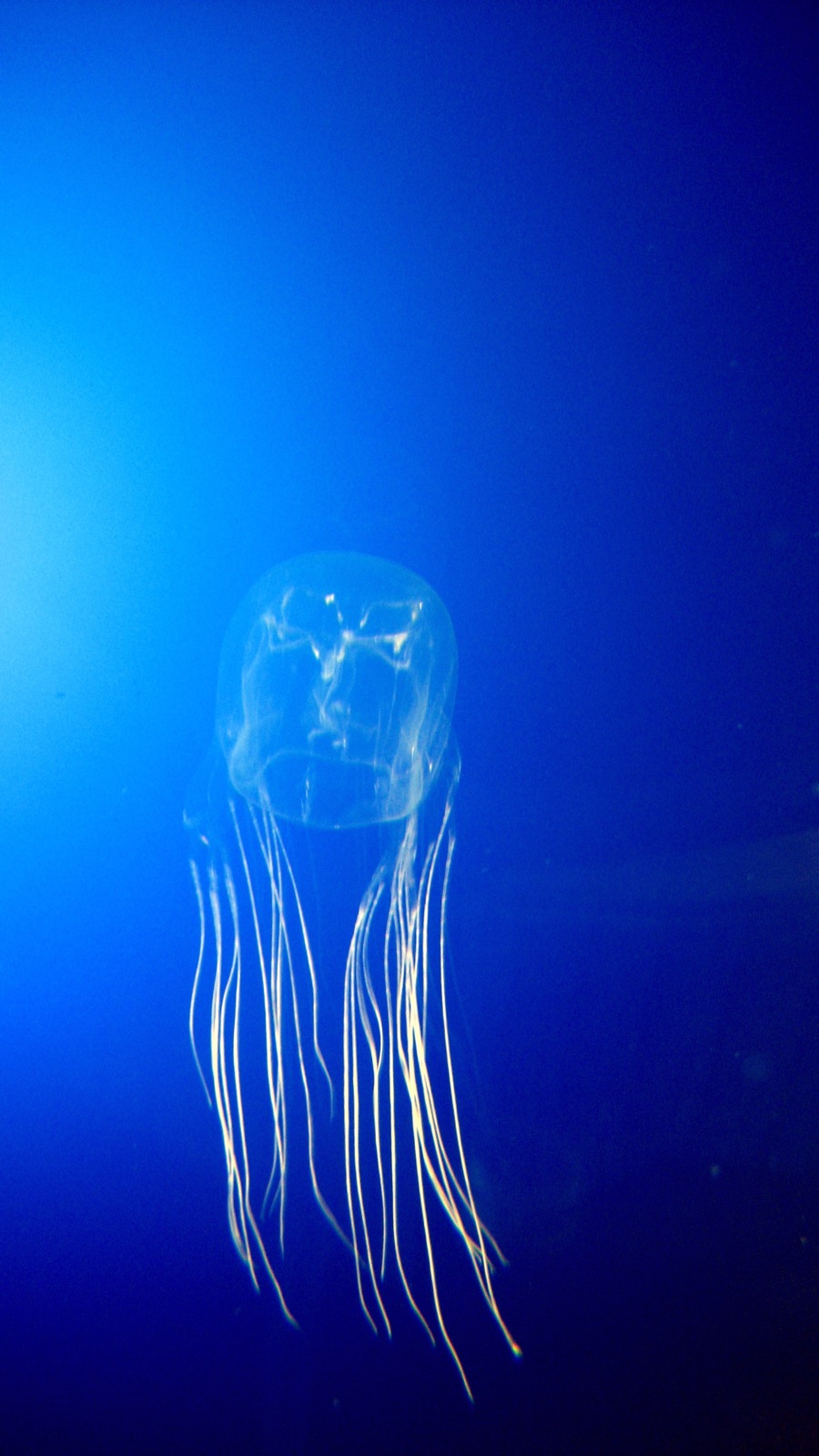
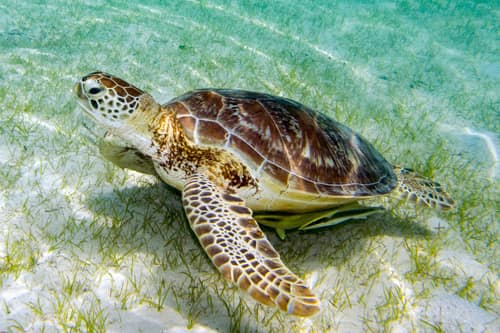
 Image unavailable