
Invertebrate
Fried Egg Jellyfish
Cotylorhiza tuberculataAlso known as Mediterranean Jelly, Mediterranean Jellyfish
Cotylorhiza tuberculata drifts through warm coastal waters propelled by steady, rhythmic pulses of its domed bell. Its central yellow-orange bulge and creamy white margin create the uncanny likeness of a fried egg sunny-side up. Eight clustered oral arms bear striking purple and blue button-like appendages that harbor symbiotic zooxanthellae, providing nutrition via photosynthesis while juvenile jacks and boops shelter safely among the tentacles.
MarinePlanktonicSymbiotic
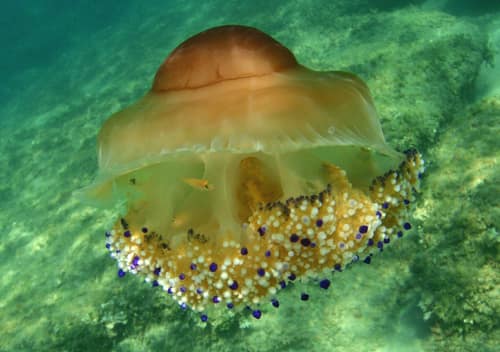
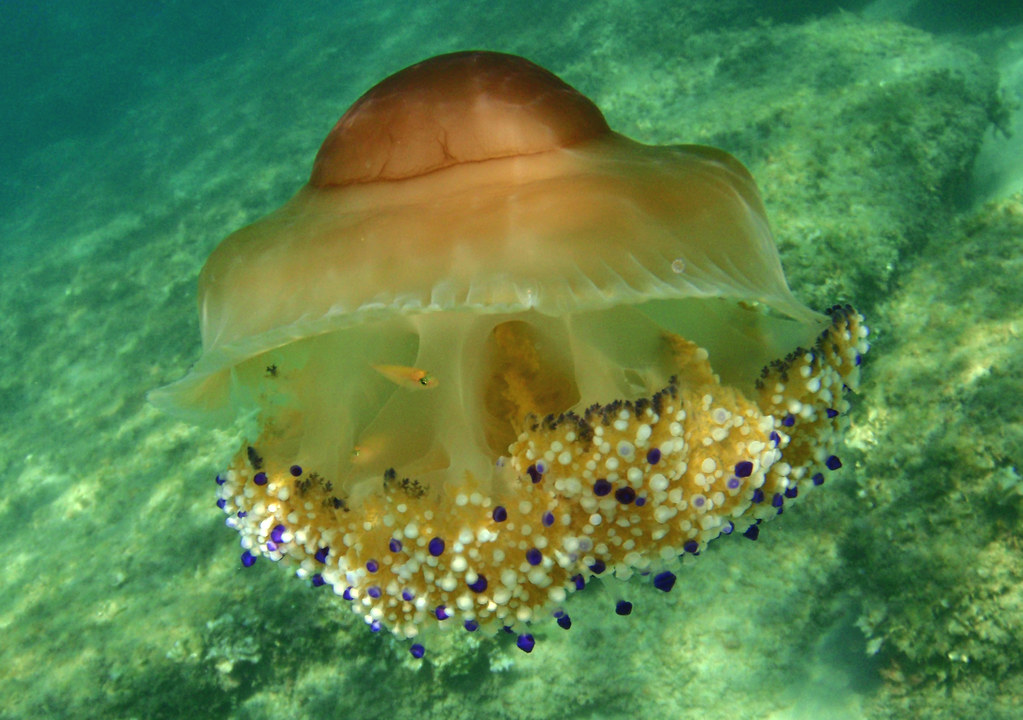
—observations
—countries
—peak records
Not EvaluatedConservation statusIUCN Red List categoriesLCNTVUENCREWEXNot Evaluated — not placed on the risk ladderRed List categories, explained →
Diet & preyCopepods, Ciliates, Invertebrate Larvae
Predators
- Loggerhead Sea Turtle
- Ocean Sunfish
- Leatherback Sea Turtle
ThreatsMarine pollution, coastal development, and boat propeller collisions
HabitatsWarm temperate coastal waters, open bays, and lagoons
Life spanMedusa phase lives about 2–6 months (summer through autumn)
Classification
- OrderRhizostomeae
- FamilyCepheidae
- GenusCotylorhiza
- SpeciesCotylorhiza tuberculata
Range data is not available yet.
Interaction riskLow
- Low
- Moderate
- High
- Very high
- Why interaction risk is low
- Harmless to humans; sting is imperceptible on normal skin, though contact with eyes can irritate.
Responsible observation
- Observing: Snorkel gently alongside near the surface on calm, sunny summer mornings.
- Water Etiquette: Avoid touching with bare hands to protect delicate appendages and symbiotic fish.
- Eye Contact: Rinse thoroughly with seawater if water near dense blooms splashes into eyes.
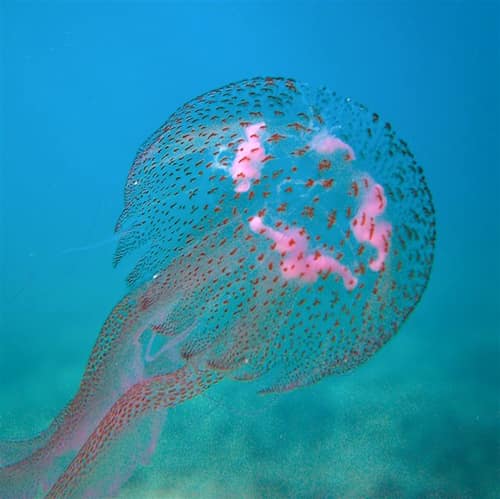
Co-Occurring Jellyfish Alberto Romeoalbertoromeo@neomedia.ithttp://www.romeofotosub.it / CC BY 3.0 · cc-by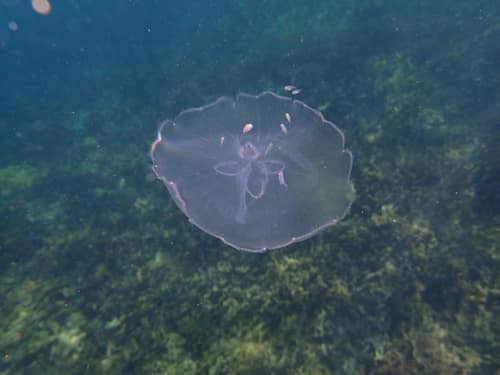
Competitor (c) A H, some rights reserved (CC BY), uploaded by A H · cc-by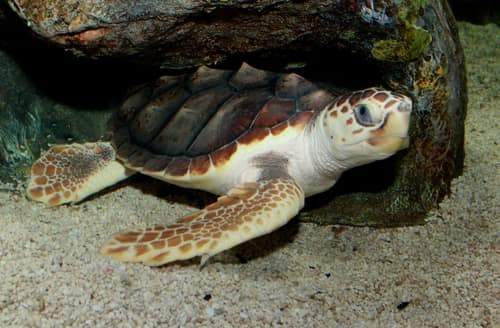
Predator "Loggerhead Sea Turtle (Caretta caretta)" by brian.gratwicke is licensed under CC BY 2.0. To view a copy of this license, visit https://creativecommons.org/licenses/by/2.0/. · cc-by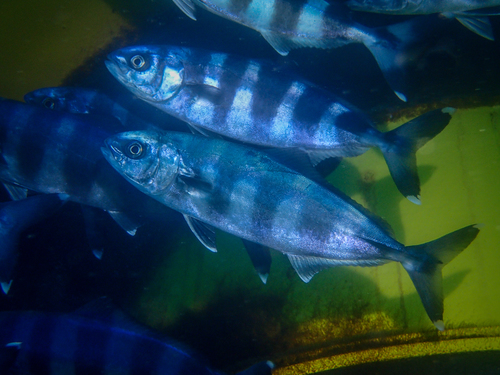
Symbiont (c) Julien Renoult, some rights reserved (CC BY), uploaded by Julien Renoult · cc-by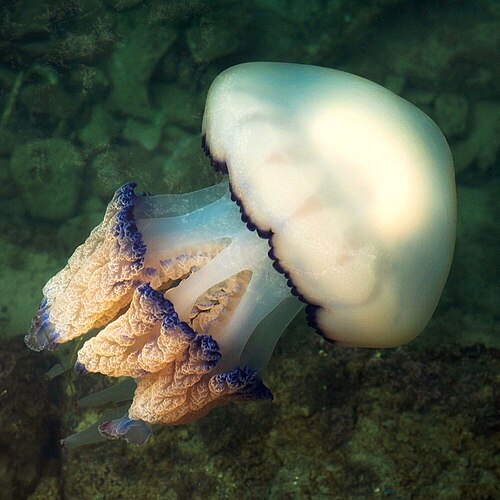
Close Relative Ales Kladnik from Ljubljana, Slovenia / CC BY 2.0 · cc-by
Keep collecting in Fauna
Found in Collections
Species set Pro
Ocean Creatures
Fried Egg Jellyfish is found in this collection. Identify it in Fauna to fill this slot and continue your progress.
Unlock to track progress
Help improve the field guideSomething wrong?
Checking your Fauna account…Report a name, category, or profile issue for review.