
Species · GBIF taxon 2239271
Stove-pipe Sponge
Aplysina archeriAlso known as Stovepipe Sponge, Lavender Tube Sponge
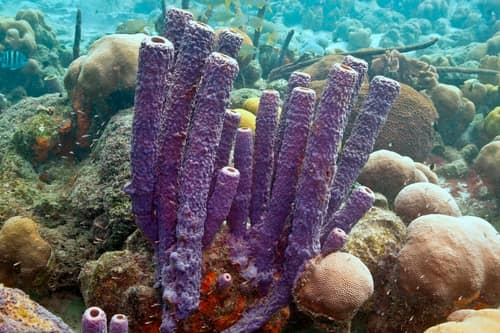
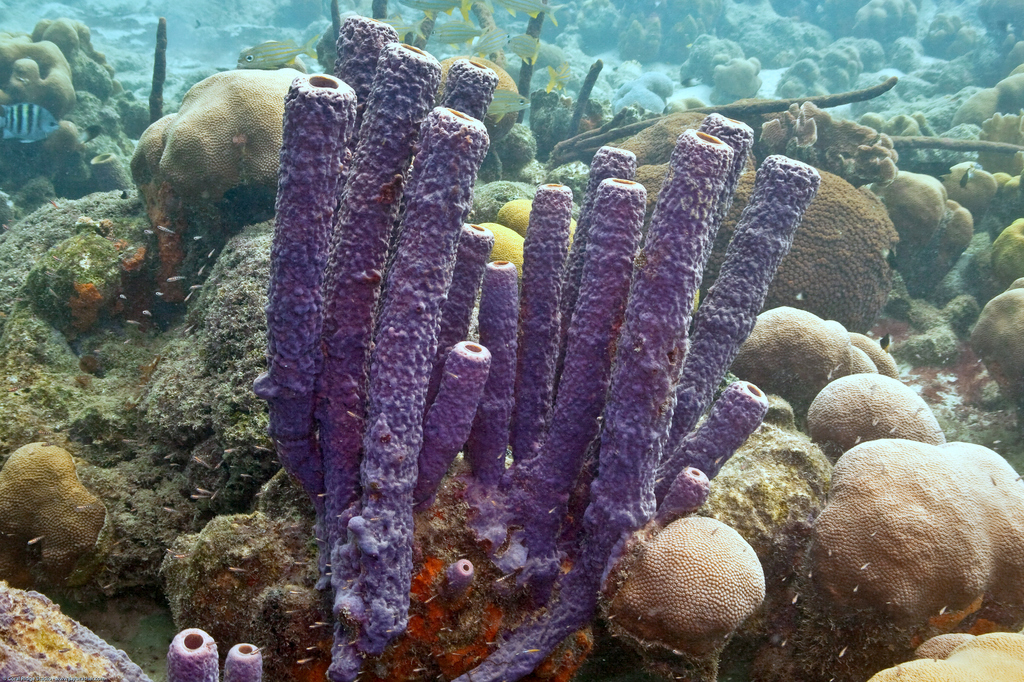
Stove-pipe sponges rise from Caribbean coral reefs in striking, organ-pipe clusters of lavender, pink, or grey tubes that can reach the height of a human. These ancient, slow-growing filter feeders pump massive volumes of seawater through their porous walls to capture microscopic plankton and organic debris. Over centuries of steady growth, their hollow structures provide vital shelter for a diverse community of small reef fish, crabs, and marine invertebrates.
MarineFilter FeederReef Dweller
—observations
—countries
—peak records
Not EvaluatedConservation statusIUCN Red List categoriesLCNTVUENCREWEXNot Evaluated — not placed on the risk ladderRed List categories, explained →
Diet & prey
- Plankton
- Bacteria
- Organic detritus
Predators
- Marine snails
- Hawksbill sea turtles
- Nudibranchs
ThreatsMarine pollution, oil spills, and physical damage from anchors or divers
HabitatsCoral reefs, rocky ledges, and deep drop-offs
Life spanHundreds of years
Size / weightNot available
Classification
- FamilyAplysinidae
- SpeciesAplysina archeri
Range data is not available yet.
Interaction riskLow
- Low
- Moderate
- High
- Very high
- Why interaction risk is low
- Safe to observe at a normal distance.
- What to notice
- Look for tall, hollow, cylindrical tubes in shades of lavender, pink, or grey growing in clusters on Caribbean reefs.
- Support conservation
- Never touch, hold, or rest gear on the tubes, and maintain excellent buoyancy control when swimming nearby.
Responsible observation
- Maintain buoyancy: Avoid touching or bumping into these fragile, slow-growing tubes while diving.
- Look inside: Peer carefully down the hollow tubes to spot tiny symbiotic gobies or crabs.
- Watch for currents: Observe how the tubes sway slightly in deep ocean currents without collapsing.
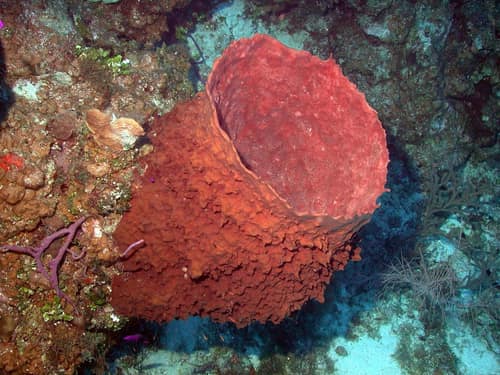
Frequent Companion (c) NOAA Photo Library, some rights reserved (CC BY) · cc-by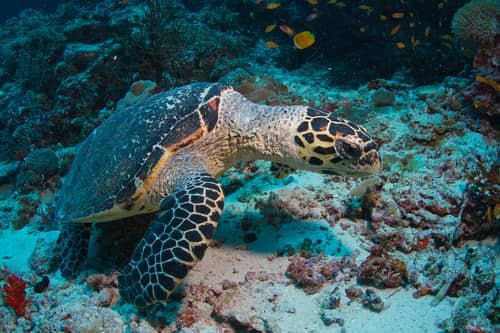
Predator "Hawksbill Turtle" by Tchami is licensed under CC BY-SA 2.0. To view a copy of this license, visit https://creativecommons.org/licenses/by-sa/2.0/. · cc-by-sa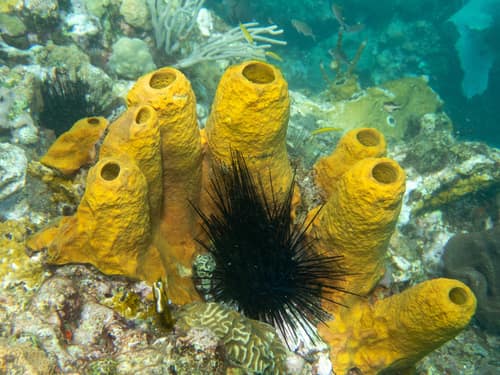
Close Relative (c) Don Loarie, some rights reserved (CC BY), uploaded by Don Loarie · cc-by
Help improve the field guideSomething wrong?
Checking your Fauna account…Report a name, category, or profile issue for review.