
Invertebrate
Longtail Tadpole Shrimp
Triops longicaudatusAlso known as American Tadpole Shrimp, Ricefield Tadpole Shrimp
These prehistoric crustaceans emerge swiftly from ephemeral vernal pools, completing an entire life cycle from hatching to egg laying in just a few weeks before the water evaporates. They churn through substrate constantly with dozens of leaflike legs, consuming organic debris, algae, and insect larvae while breathing through specialized appendages. Their drought-resistant cysts enter diapause and can endure complete desiccation and extreme temperatures in dry soil for decades until the next flood.
AquaticPrehistoricFreshwater
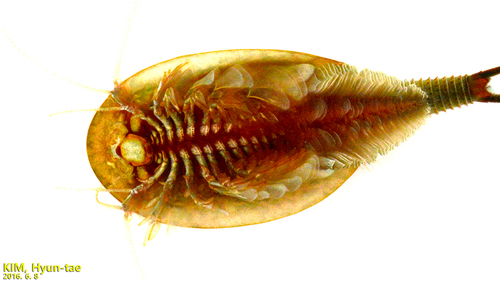
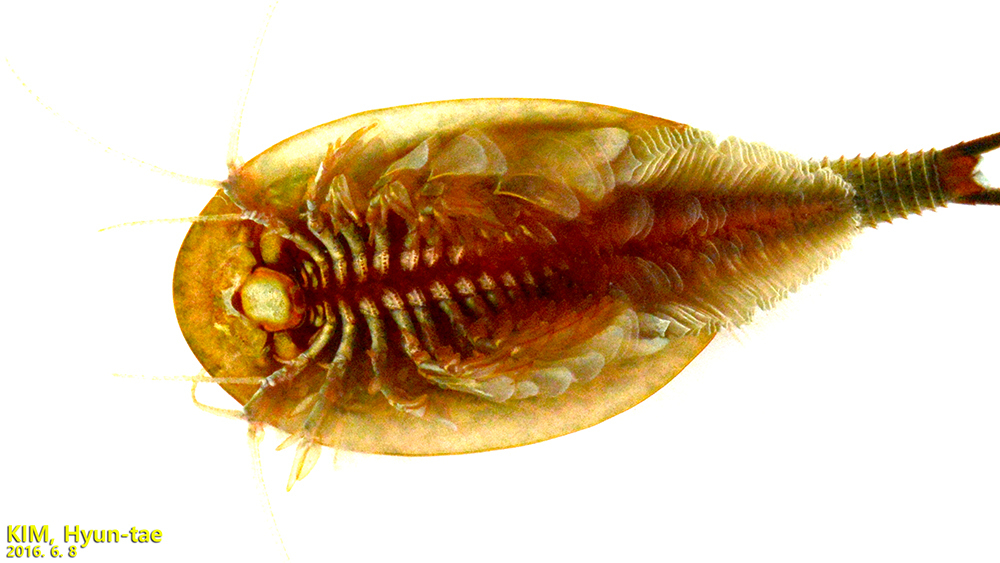
—observations
—countries
—peak records
Least ConcernConservation statusIUCN Red List categoriesLCNTVUENCREWEXLeast ConcernRed List categories, explained →
Diet & preyMosquito larvae, Filamentous algae, Nematodes and small worms
Predators
- Wading birds
- Amphibians
- Predaceous diving beetles
ThreatsWetland draining, urban expansion, and water contamination from agricultural pesticides
HabitatsTemporary freshwater bodies, vernal pools, playa lakes, and flooded agricultural fields
Life span40–90 days (cysts remain viable for decades)
Classification
- FamilyTriopsidae
- SpeciesTriops longicaudatus
Range data is not available yet.
Interaction riskLow
- Low
- Moderate
- High
- Very high
- Why interaction risk is low
- Safe to observe at a normal distance.
Responsible observation
- Observing: Watch shallow, mud-bottomed temporary pools in spring or after summer monsoon rains.
- Habitat Care: Avoid wading into fragile vernal pools, which can crush sediment cysts and disrupt water clarity.
- Handling: Do not remove individuals from the water, as their delicate appendages collapse easily out of their aquatic element.
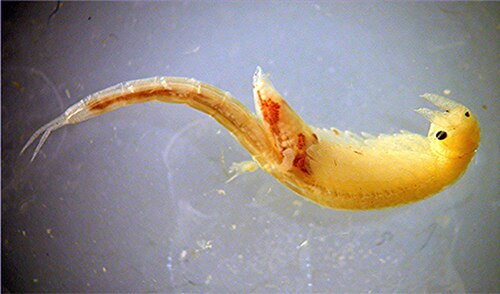
Frequent Companion Dwight Harvey USFWS / Public domain · cc0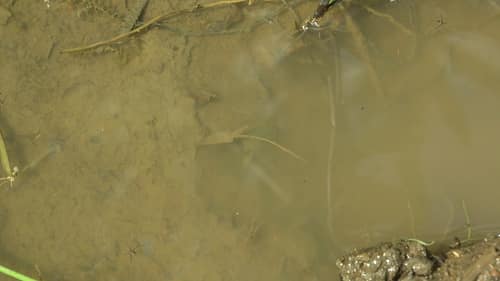
Close Relative (c) Мирослав Соболев, some rights reserved (CC BY) · cc-by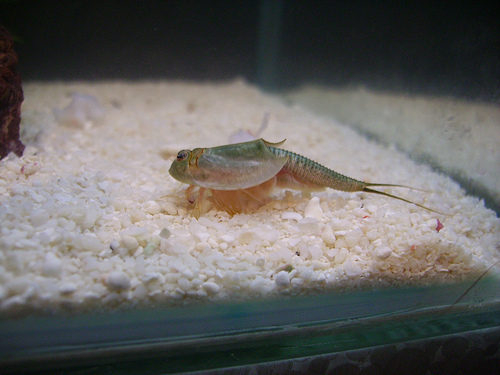
Close Relative (c) Sean Murray, some rights reserved (CC BY-SA) · cc-by-sa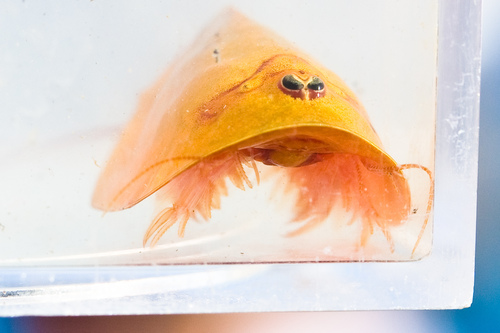
Same Family (c) Ken-ichi Ueda, some rights reserved (CC BY) · cc-by
Help improve the field guideSomething wrong?
Checking your Fauna account…Report a name, category, or profile issue for review.