
Invertebrate
European Tadpole Shrimp
Triops cancriformisAlso known as Tadpole Shrimp, Shield Shrimp
European tadpole shrimps are living fossils whose body plan has persisted virtually unchanged for over two hundred million years. They hatch rapidly in temporary rain pools, feeding continuously on organic detritus and small aquatic organisms before laying desiccation-resistant cysts that can endure decades of drought in dry mud. Adults navigate warm ephemeral waters using dozens of leaf-like legs that simultaneously propel them, gather food particles, and absorb dissolved oxygen.
Living FossilFreshwaterAquatic
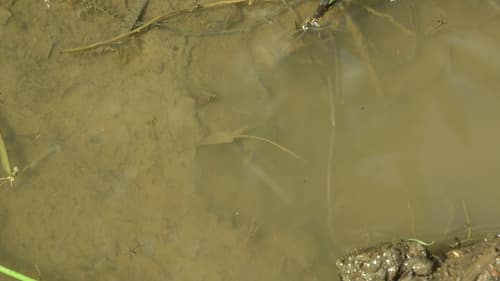
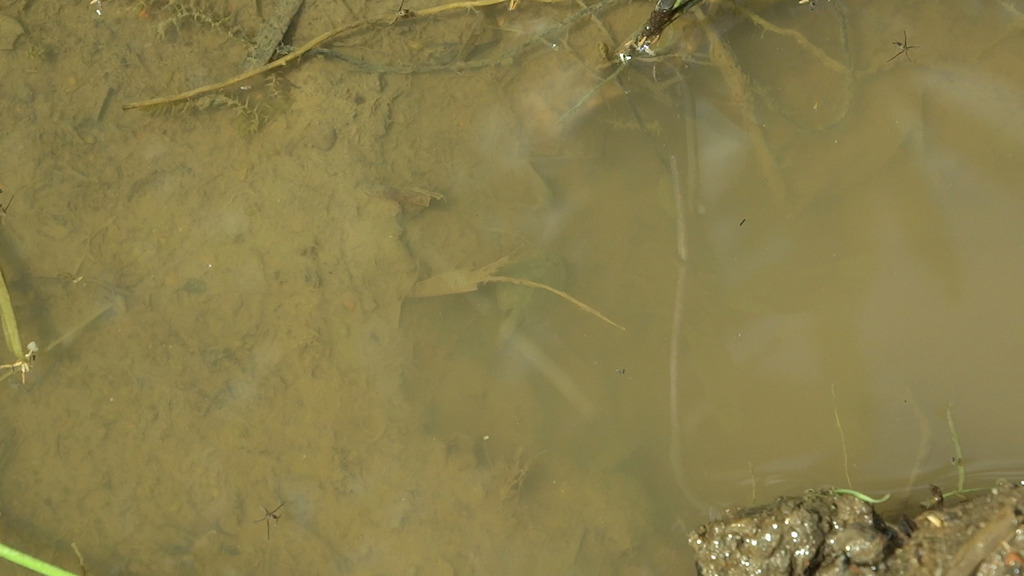
—observations
—countries
—peak records
Least ConcernConservation statusIUCN Red List categoriesLCNTVUENCREWEXLeast ConcernRed List categories, explained →
Diet & preyMosquito larvae, Fairy shrimp, Filamentous algae
Predators
- Wading birds
- Great diving beetles
- Newts
ThreatsDrainage of ephemeral wetlands, agricultural pollution, pond destruction
HabitatsTemporary rain pools, vernal wetlands, flooded meadows, rice paddies
Life span1–3 months (dormant cysts survive decades)
Classification
- FamilyTriopsidae
- SpeciesTriops cancriformis
Range data is not available yet.
Interaction riskLow
- Low
- Moderate
- High
- Very high
- Why interaction risk is low
- Completely harmless to humans; safe to observe from the water's edge.
- What to notice
- Look for a broad olive-brown carapace, two close-set eyes, and a paired tail fork swimming along sunny, temporary pool beds.
- Support conservation
- Observe entirely from the dry margins without wading in or taking specimens from the wild.
Responsible observation
- Observation Timing: Search shallow, sunlit temporary pools in late spring a few weeks after inundation.
- Viewing Etiquette: Stay on the pool bank to avoid trampling delicate sediment or clouding the water.
- Habitat Protection: Never dig into dried temporary pond basins, where dormant eggs rest in the top silt layer.
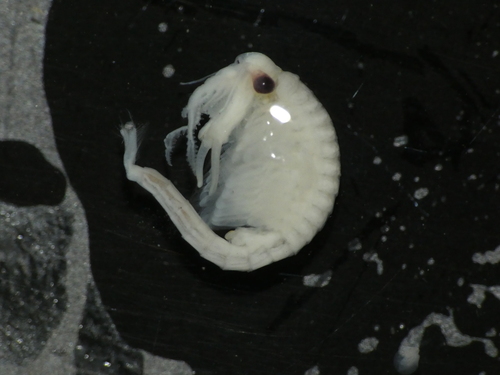
Ecological Neighbor (c) Juan Rodríguez, some rights reserved (CC BY), uploaded by Juan Rodríguez · cc-by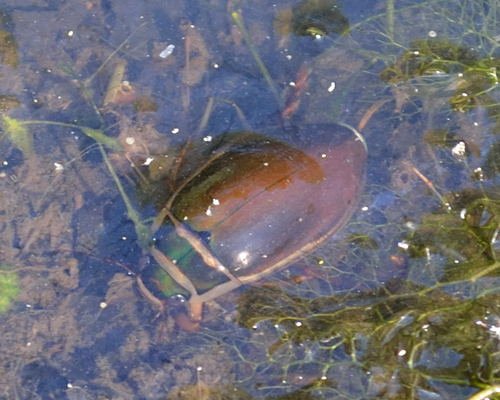
Predator (c) Fyodor Pudovikov, some rights reserved (CC BY) · cc-by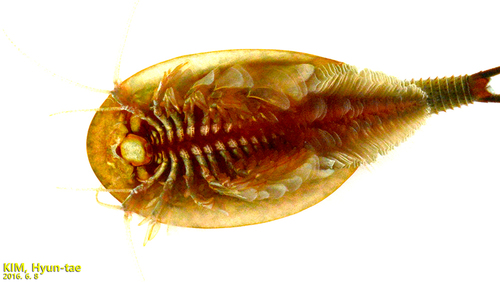
Close Relative (c) Kim, Hyun-tae, some rights reserved (CC BY), uploaded by Kim, Hyun-tae · cc-by
Help improve the field guideSomething wrong?
Checking your Fauna account…Report a name, category, or profile issue for review.