
Invertebrate · GBIF taxon 2234840
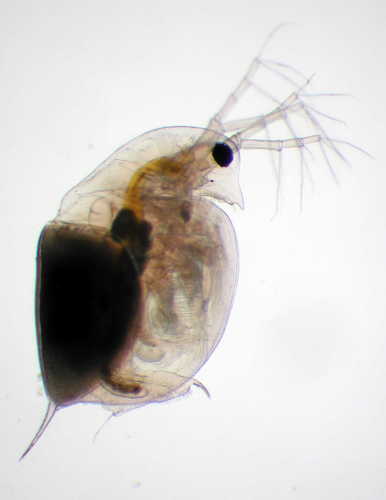
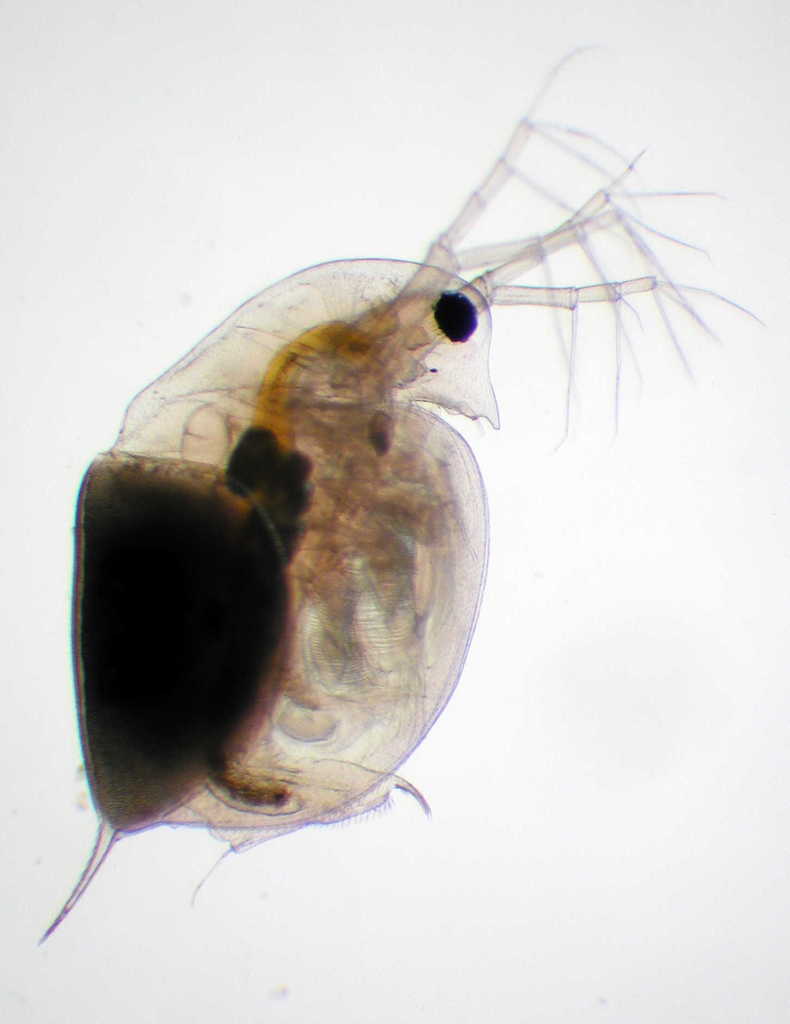
Common Water Flea
Daphnia pulexAlso known as Water Flea
Common water fleas propel themselves through quiet freshwaters using jerky, rhythmic beats of their enlarged second antennae, giving rise to their flea-like moniker. Females reproduce primarily through cyclical parthenogenesis, churning out clones of identical daughters when conditions are favorable and switching to sexual reproduction when environmental stresses trigger resting egg production. They serve as critical ecological keystones by grazing down phytoplankton blooms and forming the primary forage base for countless juvenile fishes and aquatic insects.
PlanktonicFreshwaterFilter Feeder
 1 / 2
1 / 2—observations
—countries
—peak records
Not EvaluatedConservation statusIUCN Red List categoriesLCNTVUENCREWEXNot Evaluated — not placed on the risk ladderRed List categories, explained →
Diet & prey
- Green Algae
- Cyanobacteria
- Aquatic Bacteria
Predators
- Young Fish
- Backswimmers
- Phantom Midge Larvae
ThreatsChemical pollution, aquatic acidification, and climate-driven water temperature spikes
HabitatsEutrophic ponds, lakes, marshes, and temporary vernal pools
Life span1–2 months
Size / weightNot available
Classification
- OrderDiplostraca
- FamilyDaphniidae
- GenusDaphnia
- SpeciesDaphnia pulex
Range data is not available yet.
Interaction riskLow
- Low
- Moderate
- High
- Very high
- Why interaction risk is low
- Safe to observe at a normal distance.
Responsible observation
- Pond Dipping: Sample still vegetated pond edges with a fine mesh plankton net or clear jar.
- Microscope Viewing: Mount a single specimen in a drop of pond water to watch its beating heart and churning gut.
 Image unavailable
Predator 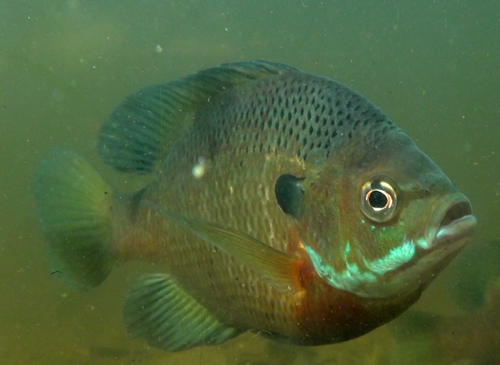
Predator (c) Kristiina Hurme, some rights reserved (CC BY), uploaded by Kristiina Hurme · cc-by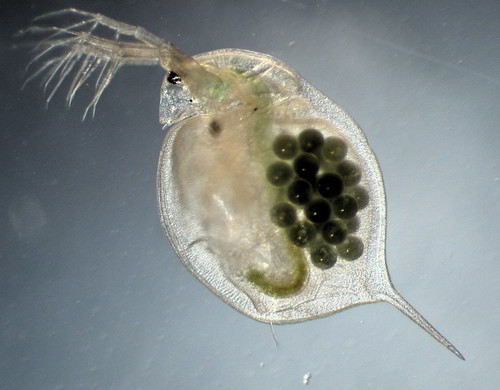
Close Relative (c) Dieter Ebert, Basel, Switzerland, some rights reserved (CC BY-SA) · cc-by-sa
Help improve the field guideSomething wrong?
Checking your Fauna account…Report a name, category, or profile issue for review.