
Invertebrate
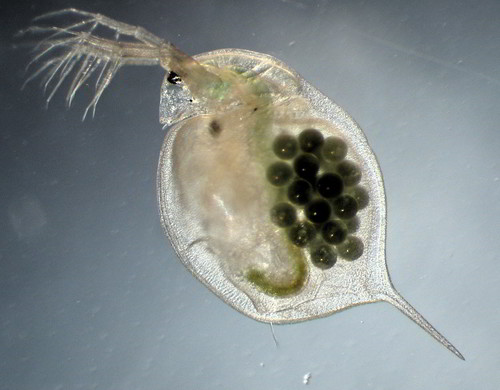
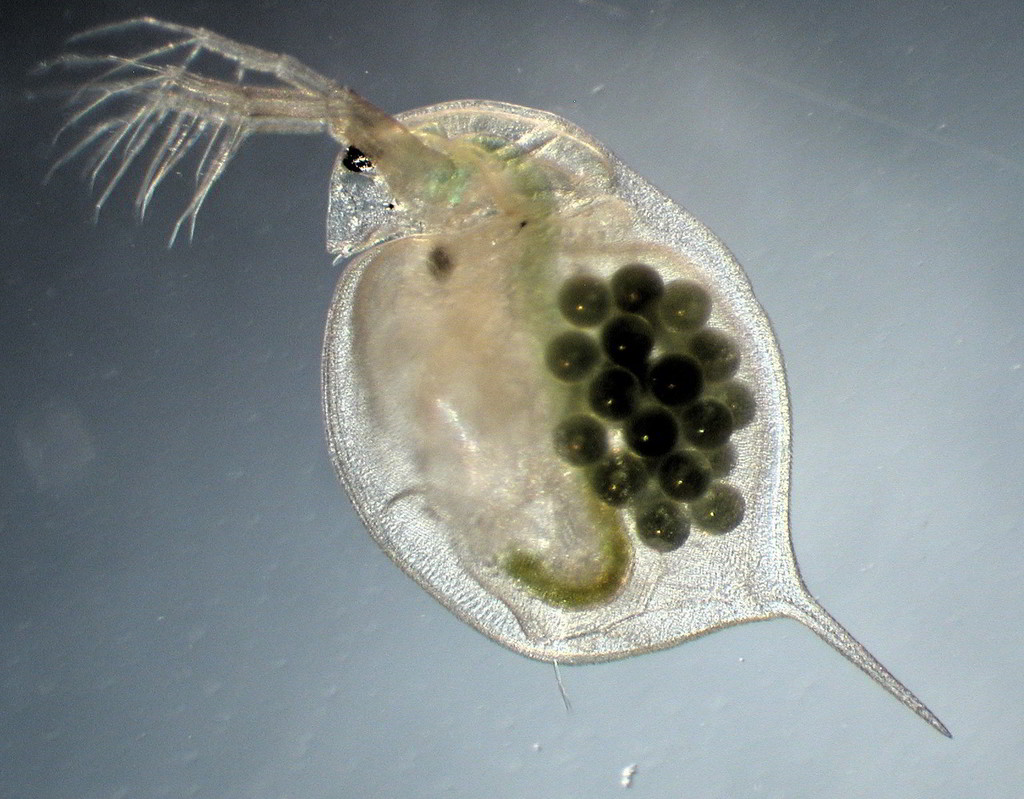
Large Water Flea
Daphnia magnaAlso known as Giant Water Flea
Large water fleas propel themselves through freshwater ponds and temporary pools with jerky, hopping strokes of their branched second antennae. Females reproduce by cyclic parthenogenesis during warm months, releasing clutches of clonal daughters from a transparent dorsal brood pouch before switching to sexual reproduction and producing hardy resting eggs when conditions worsen. In oxygen-poor water, these tiny crustaceans synthesize hemoglobin, turning their translucent bodies a striking pink or red.
FreshwaterPlanktonicFilter Feeder
—observations
—countries
—peak records
Not EvaluatedConservation statusIUCN Red List categoriesLCNTVUENCREWEXNot Evaluated — not placed on the risk ladderRed List categories, explained →
Diet & preyGreen microalgae, Bacteria, Suspended organic detritus
Predators
- Three-spined sticklebacks
- Backswimmers
- Hydra
ThreatsChemical runoff, pesticides, habitat drainage, and introduced predatory fish
HabitatsFreshwater ponds, rock pools, shallow lakes, and slow ditches across the Northern Hemisphere
Life span4–8 weeks in warm water; up to several months in cooler conditions
Classification
- FamilyDaphniidae
- SpeciesDaphnia magna
Range data is not available yet.
Interaction riskLow
- Low
- Moderate
- High
- Very high
- Why interaction risk is low
- Safe to observe at a normal distance.
Responsible observation
- Viewing: Scoop pond water into a clear jar and hold it against a dark background to spot their jerky swimming.
- Magnification: Use a 10x hand lens to observe the beating heart and brood pouch through the clear carapace.
- Stewardship: Return sampled water to the exact pond of origin to avoid transferring aquatic hitchhikers.
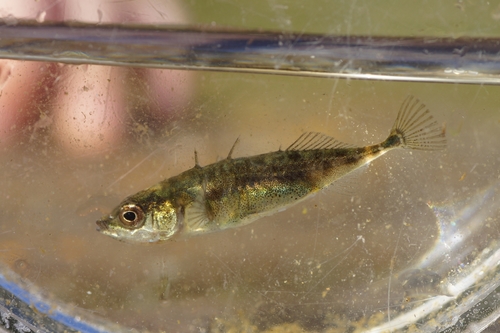
Predator (c) Kasper Malmberg, some rights reserved (CC BY), uploaded by Kasper Malmberg · cc-by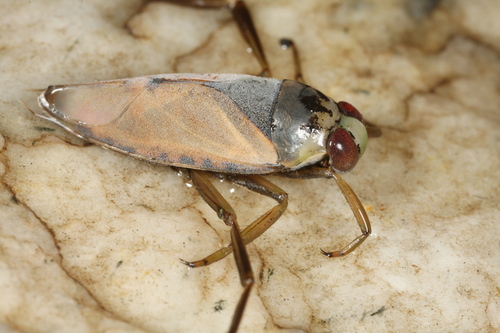
Predator (c) ingridaltmann, some rights reserved (CC BY) · cc-by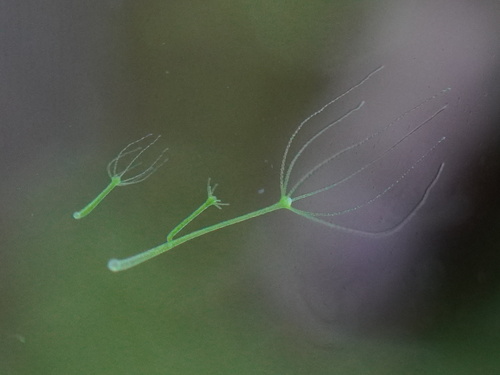
Predator (c) Patrick Hacker, some rights reserved (CC BY) · cc-by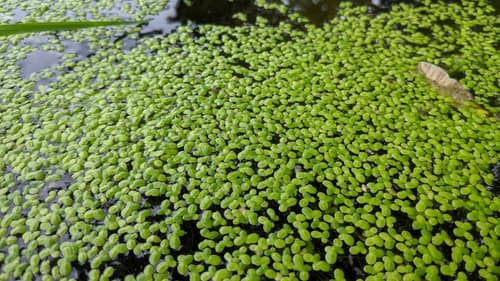
Habitat Partner no rights reserved, uploaded by Philipp · cc0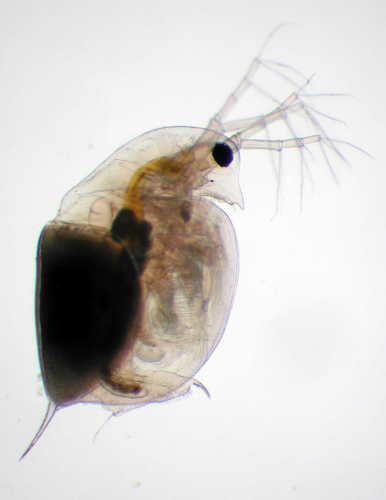
Close Relative (c) Dieter Ebert, Basel, Switzerland, some rights reserved (CC BY-SA) · cc-by-sa
Help improve the field guideSomething wrong?
Checking your Fauna account…Report a name, category, or profile issue for review.