
Invertebrate · GBIF taxon 2230246
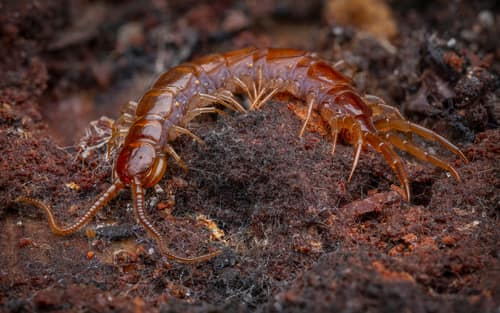
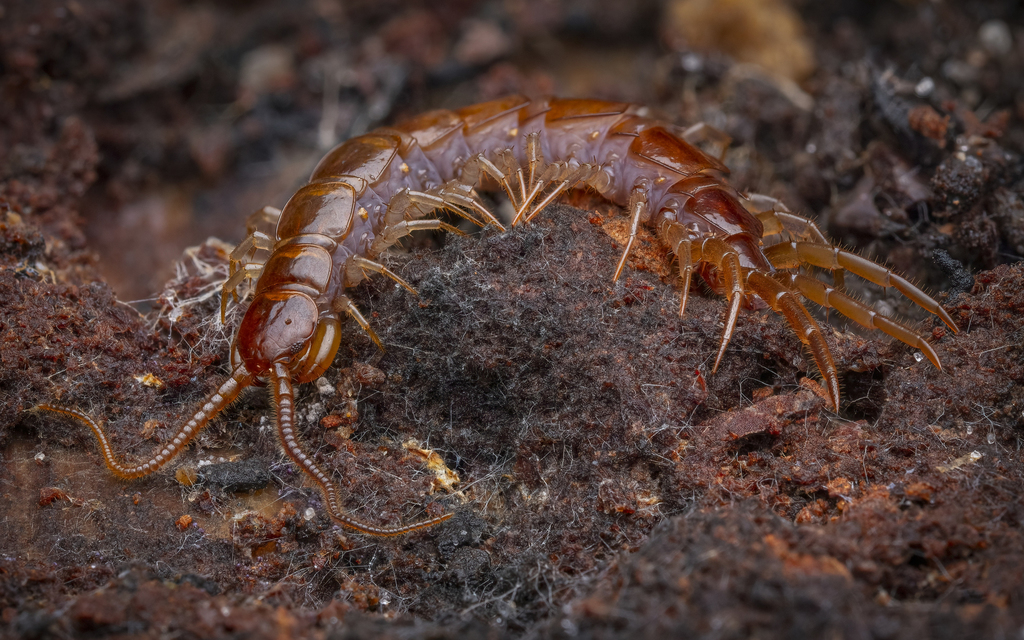
Brown Centipede
Lithobius forficatusAlso known as Garden Centipede, Stone Centipede, European Stone Centipede
Brown centipedes are swift, nocturnal predators that dart across damp soil and leaf litter in search of small invertebrates. Their flattened, glossy reddish-brown bodies feature 15 pairs of jointed legs, along with modified front legs called forcipules that deliver paralyzing venom to prey. Common under garden stones and rotting logs, they play a vital role in controlling soil pests and can live for up to six years.
NocturnalPredatoryInvertebrate
—observations
—countries
—peak records
Not EvaluatedConservation statusIUCN Red List categoriesLCNTVUENCREWEXNot Evaluated — not placed on the risk ladderRed List categories, explained →
Diet & prey
- Springtails
- Spiders
- Woodlice
Predators
- Toads
- Shrews
- Ground beetles
ThreatsPesticide runoff, soil compaction, loss of damp microhabitats
HabitatsGardens, woodlands, compost heaps, beneath rocks and logs
Life span5–6 years
Size / weightNot available
Classification
- OrderLithobiomorpha
- FamilyLithobiidae
- GenusLithobius
- SpeciesLithobius forficatus
Range data is not available yet.
Interaction riskVery high
- Low
- Moderate
- High
- Very high
- Why interaction risk is very high
- Delivers a painful defensive bite with venomous pincer legs; observe without touching.
- Why it is dangerous
- Uses modified venomous front legs to bite defensively, causing localized pain and swelling akin to a bee sting.
- How to recognize a risky encounter
- Look for a shiny, flattened chestnut-brown body with 15 pairs of prominent legs and long antennae.
- What to do
- Never squeeze or hold directly; allow the centipede to crawl into a container if holding is necessary.
Responsible observation
- Observation: Gently lift dark stones or moist fallen logs at dusk to spot them moving swiftly.
- Handling: Scoop into a clear glass jar rather than picking them up with bare hands.
- Habitat Care: Always return lifted rocks and bark to their original position to preserve soil moisture.
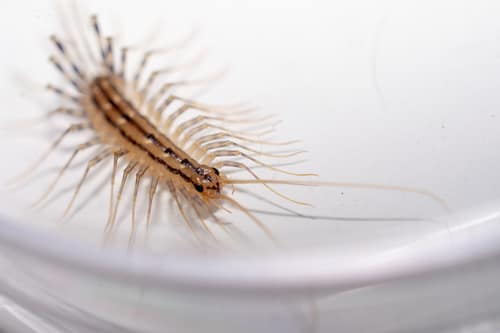
Distantly Related (c) Kyle Elshoff, some rights reserved (CC BY), uploaded by Kyle Elshoff · cc-by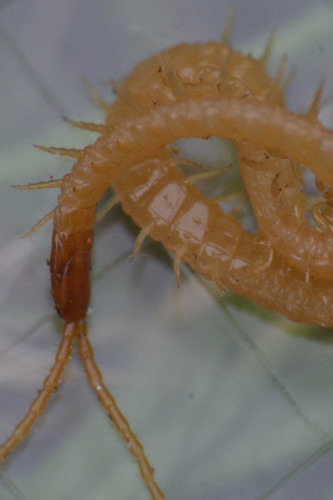
Order Relative (c) Matthew Vosper, some rights reserved (CC BY), uploaded by Matthew Vosper · cc-by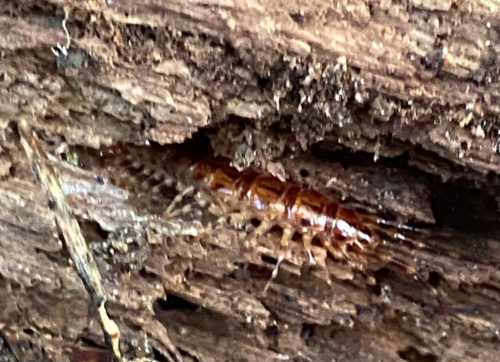
Close Relative (c) Joss Carr, some rights reserved (CC BY) · cc-by
Help improve the field guideSomething wrong?
Checking your Fauna account…Report a name, category, or profile issue for review.